






















Mariana Mendes, an emigrant, visits Ilha Brava, but her feelings were torn between homesickness and a call for better healthcare and transportation
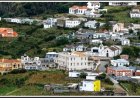
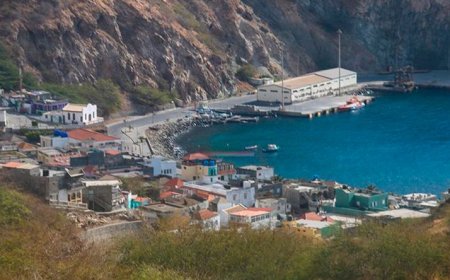
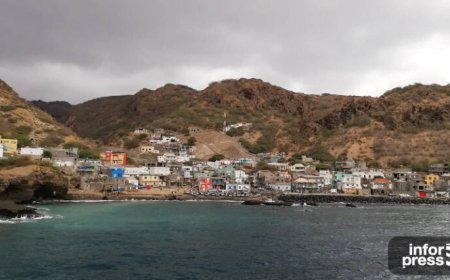
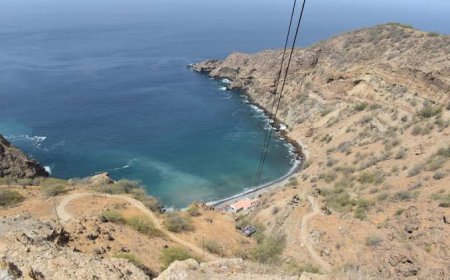
City of Nova Sintra, August 14, 2026 (Bravanews) - Mariana Mendes, who had emigrated, returned to the island of Brava last February and stayed until July. It was a time marked by the emotion of reconnecting with her homeland, but also by reflection on the challenges faced daily by the local population.
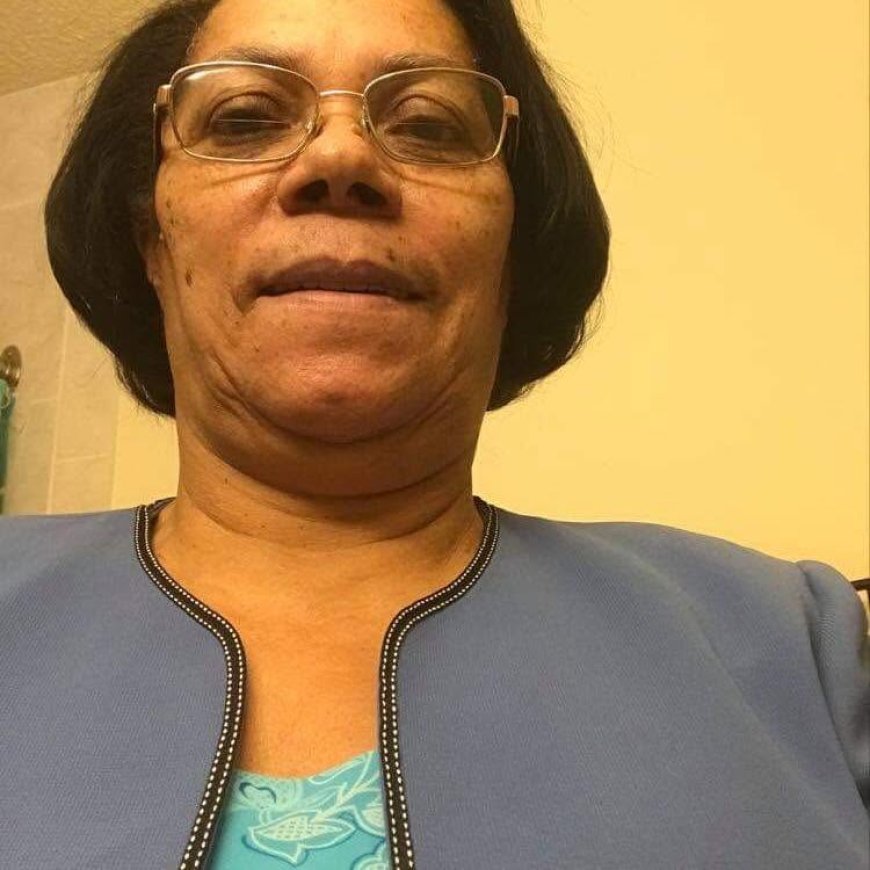
For Mariana Mendes, returning to Brava—affectionately known as Djabraba—always represents a fundamental return to her deepest roots and a rediscovery of her own identity.
During her stay, the emigrant highlighted the immense satisfaction of reconnecting with her fellow countrymen and being welcomed by the unparalleled warmth and friendliness that characterize the people of Brava.
However, alongside moments of affection and family celebration, the visit provided a close-up view of the serious operational and social difficulties that persist in the island’s daily life.
One of the most critical issues highlighted by the emigrant concerns the severe limitations in the transportation sector, particularly regarding the dates and times when people most need to travel.
In this regard, anyone planning to visit Brava Island should be especially aware that there is no guaranteed regularity in maritime transport, which requires careful planning and flexibility on the part of travelers.
The uncertainty surrounding maritime connections affects not only tourism and the local economy but also impacts residents’ daily lives and their access to essential services off the island.
In addition to mobility, Mariana Mendes emphasized that healthcare is a vital and fundamental area that requires urgent attention and investment from national authorities.
The emigrant drew attention to the dire situation faced by pregnant women on Brava, who continue to be forced to travel to the island of Fogo well in advance in order to give birth.
As an example of this harsh reality, Mariana shared the story of her own granddaughter, who was sent to the neighboring island in late July, where she had to remain far from her family while awaiting the baby’s arrival.
These preventive evacuations mean that families must bear heavy accommodation costs or rely on the hospitality and generosity of acquaintances for weeks.
Faced with the suffering and vulnerability of these pregnant women, Mariana Mendes issued an urgent appeal to the government and the Ministry of Health to address the needs of Brava Island with due sensitivity.