























Brava Island: Between Unemployment and a Labor Shortage—in Construction, on Land, at Sea, and in Livestock Farming
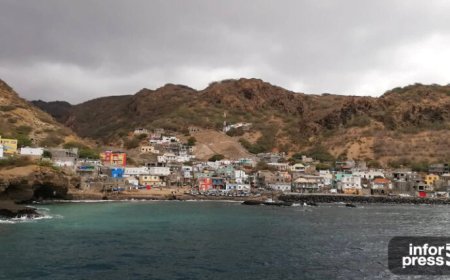
Nova Sintra, November 20, 2026 (Bravanews) - The island of Brava, in Cape Verde, faces a socioeconomic contradiction that defies conventional interpretations of the labor market: on the one hand, the perception and reality of unemployment—particularly among young people—and the precariousness of household incomes persist; on the other hand, contractors, farmers, fishermen, merchants, and livestock breeders repeatedly report a shortage of workers willing to work in the primary and tertiary sectors. This mismatch does not stem from a simple lack of available workers on paper, but from a structural imbalance between generational expectations, the material conditions of work, and the historical vulnerability of the island’s economy.
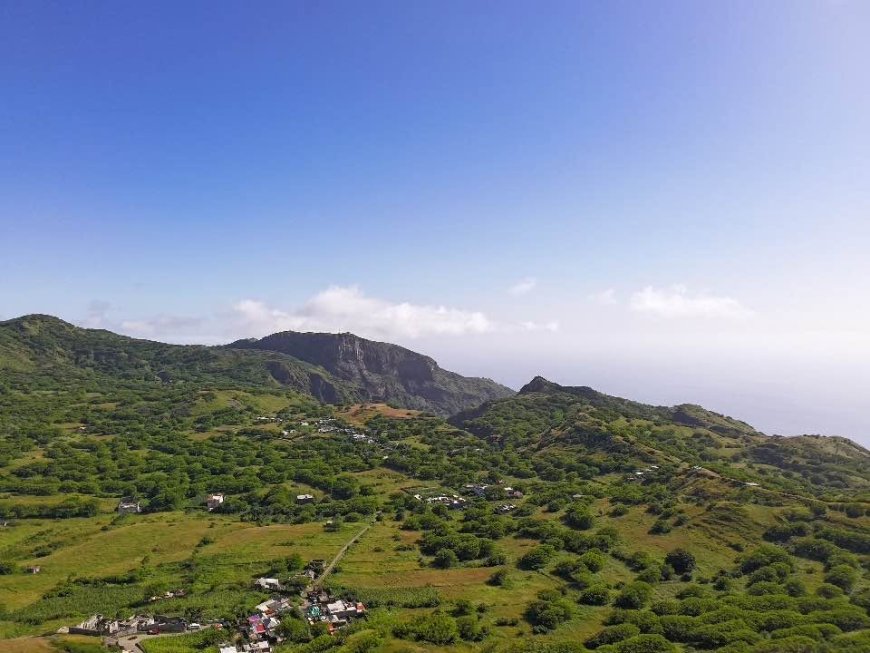
In agriculture, the labor shortage reflects decades of wear and tear and climate uncertainty. Farming on Brava requires intense physical effort, often on sloping terrain with irregular access to water, relying on scarce rainfall, springs, or irrigation solutions that are still insufficient. When financial returns are relatively low, seasonal, or threatened by drought, agricultural work ceases to appear as a stable path to economic emancipation, especially for those seeking monthly predictability or social mobility.
The aging of the working-age population further exacerbates this situation. Much of the agricultural and pastoral activity has been sustained by older workers, who have accumulated more experience but have less physical capacity to meet all the daily demands of the farms. Without a solid generational transition, plots of land end up underutilized or abandoned, while those who remain in the countryside feel the strain of not being able to find replacements or regular helpers.
In fishing, the paradox takes on dimensions linked to risk, seasonality, and infrastructure. Maritime activity on small islands involves demanding workdays, exposure to sea conditions, and fluctuations in catches, in addition to bottlenecks in the preservation, distribution, and processing of fish. For many young people who have grown up in an environment of greater access to information and with aspirations for jobs in services, retail, or off the island, the sea may seem like a difficult and poorly rewarded alternative given the effort required.
Livestock farming—goats, cattle, pigs, and poultry—faces similar dynamics, often intertwined with rain-fed and irrigated agriculture. Feeding livestock, grazing, and health care require a continuous presence, with no fixed days off, in a context where the costs of feed, inter-island transportation, and technical assistance weigh heavily on the farmer’s profit margin. When profit margins are tight, it becomes difficult for producers to offer competitive wages or working conditions capable of attracting and retaining local labor.
At the same time, unemployment and underemployment on Brava cannot be reduced to a supposed unwillingness to work. The island faces limitations due to its size, relative isolation, and high logistics costs, which restrict economic diversification and the creation of skilled formal jobs. Many young people seek education, employment in larger urban centers, or emigration, while others remain in limbo between occasional jobs, odd jobs, or dependence on family remittances and one-time assistance.
There is also a mismatch in skills and desirability between what the local market offers and what the younger generations aspire to. The modernization of the primary sector—with more efficient irrigation, ongoing technical support, cooperatives, cold chains, and access to credit—could transform traditional activities into more productive and dignified businesses. Without this modernization, rural and fishing work remains associated with extreme hardship and low pay, fueling youth migration even where there is a labor shortage.
The issue of transportation and scale also weighs on this paradox. The irregularity or high cost of maritime connections and the small size of the domestic market limit the distribution of agricultural, livestock, and fishery production to other islands or niches with higher added value. When producers have no guarantee that they can successfully market their products, the incentive to expand operations and hire labor weakens, perpetuating a cycle of small scale and economic fragility.
Overcoming this contradiction requires treating unemployment and labor shortages as two sides of the same structural problem, rather than as isolated faults of workers or producers. Consistent public policies on water security, technical assistance, support for rural and fishing youth, improved logistics, and the promotion of local products are essential to making the primary sector more resilient and attractive.
Ultimately, the dilemma facing Brava Island reveals how small island economies are caught between the urgent need to produce locally and the difficulty of ensuring economic conditions that retain and motivate the working population. Resolving this paradox requires combining decent wages, practical innovation, and reliable infrastructure, so that working the land, at sea, or in livestock farming is no longer seen merely as a sacrifice with no return but instead represents a viable future for the island.
MS