

















EDITORIAL | BRAVA, AN ISLAND ACCUSTOMED TO CRUMBS
How much longer will Brava continue to settle for so little, when it is entitled to so much more?
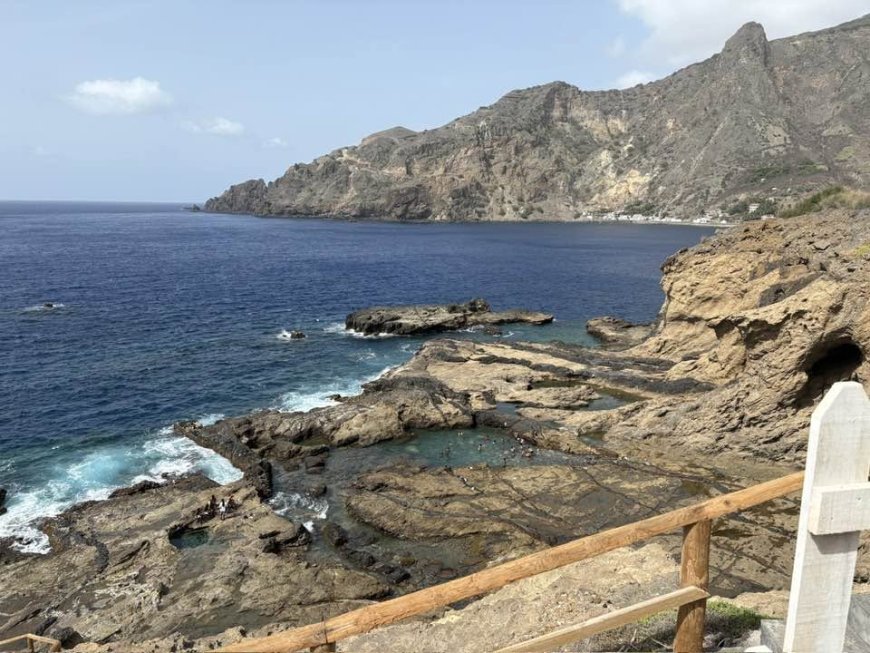
Brava is an island of hardworking people, with a rich history, an extraordinary culture, and a diaspora spread across the world that continues to show love for its roots. However, there is a reality that is hard to ignore: over the years, a sense has developed that the island should be grateful for everything it receives, even when it comes to minimal responses to problems that should have been resolved long ago. Brava seems to have grown accustomed to receiving crumbs and presenting them as great achievements. This is an uncomfortable but necessary reflection.
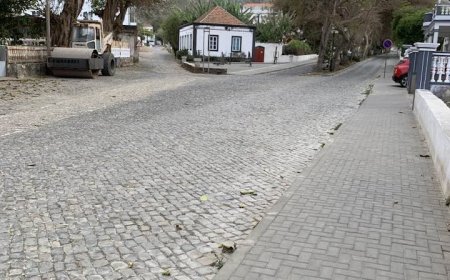
The problem lies not only in what Brava receives, but also in what it has stopped demanding. When a population spends too much time waiting for solutions, it runs the risk of lowering its expectations. A minimally regular ferry service becomes an extraordinary victory; road repairs are celebrated as if they were a revolution; a promise of investment raises hopes that often end up fading away. What should be normal becomes exceptional. And it is precisely in this environment that the culture of crumbs takes root.
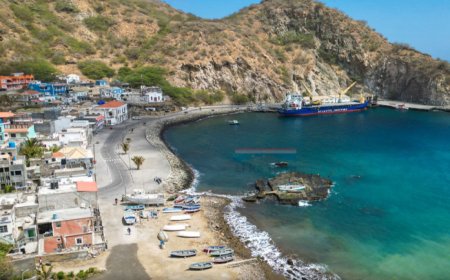
When it comes to maritime transport, the situation becomes particularly evident. Brava cannot continue to live in uncertainty about whether there will be a ferry, whether people will be able to travel, whether goods will arrive on time, or whether a health emergency will receive an adequate response. Transportation is neither a luxury nor a favor granted to the population. It is a fundamental prerequisite for mobility, the economy, health, education, and the dignity of Brava’s residents. An island that depends on the sea cannot accept that its connection to the rest of the country be treated as a secondary issue.
In healthcare, water, agriculture, roads, and opportunities for young people, the challenge is similar. The population needs public services capable of meeting their needs, rather than living in constant anticipation of someone announcing a new measure. Farmers need the conditions to produce and market their products; young people need opportunities to build their future without being forced to leave the island; the elderly need dignified care; and families need water, energy, and transportation with the reliability that modern life demands. We cannot speak seriously of development as long as these needs continue to be treated as favors.
Meanwhile, politics continues to occupy a considerable space in Brava’s public life. Political parties vie for the spotlight, leaders trade accusations, activists defend their causes, and social media turns political disagreements into full-blown battles. But the essential question remains: how much of this political effort actually translates into improved living conditions for the people of Brava? The population needs more than just fiery speeches, official photographs, or campaign promises. It needs concrete, measurable, and lasting results.
It is necessary to recognize that responsibility does not lie exclusively with a single party, a government, or a city council. Brava’s situation stems from accumulated problems, decisions made over the course of different terms in office, and priorities that have not always placed the island’s needs at the center of public action. Therefore, it would be intellectually dishonest to attribute all responsibility to a single political force. However, it would also be wrong to use past mistakes to justify inaction in the present. Those in power today must be held accountable for their decisions, while those in the opposition have a duty to scrutinize, present alternatives, and contribute to solutions.
Brava also needs to change the way it relates to political power. It cannot continue to confuse closeness with dependence, nor gratitude with silence. A government official is not doing anyone a favor when they fulfill their obligations. A member of the legislature is not offering a gift when they question the government about the island’s problems. An institution does not deserve extraordinary applause simply for doing what it is supposed to do. Citizenship requires engagement, participation, and critical thinking. It is legitimate to express gratitude when something positive happens; however, giving up on demanding more simply because something has finally been done must not become the norm.
In this context, the Brava diaspora represents a force that the island cannot afford to squander. Thousands of emigrants maintain an emotional, cultural, and economic connection to their homeland; they send remittances, support families, and participate in community initiatives. But this potential needs to be channeled through a serious, transparent, and results-oriented strategy. Brava needs to transform this scattered solidarity into a tool for sustainable development, involving entrepreneurs, professionals, associations, young people, and institutions. Emigration should not serve merely to raise money when an emergency arises; it must be a partner in building long-term solutions.
It is also essential that the people of Brava themselves abandon the idea that, because they live on a small island, they should expect less from the government and institutions. Territorial size cannot determine the scope of rights. Brava may have geographic and economic limitations, but that does not mean its inhabitants should accept inferior services or reduced opportunities. On the contrary, insularity requires tailored public policies, strategic investments, and compensatory mechanisms that enable the obstacles of distance to be overcome. Development cannot be measured solely by the number of projects inaugurated, but by the ability to ensure quality of life, create jobs, and retain the population.
The time has therefore come for Brava to stop settling for crumbs. This is not about demanding the impossible, nor about devaluing every improvement achieved. It is about defending what the island is entitled to, with firmness, responsibility, and a vision for the future. We must demand commitments with deadlines, monitor the implementation of investments, evaluate the results, and hold decision-makers accountable, regardless of their party affiliation. Brava deserves more than repeated promises and stopgap solutions. It deserves a development plan that transcends election cycles and puts people at the center of its priorities. Because an island cannot build its future by living off small concessions. Brava doesn’t need to learn to be grateful for crumbs; it needs to regain the confidence to demand the whole loaf.
Bravanews