



























Government Considers Expanding Review of Public Assets and Suspending Leases to Reduce Rental Expenses
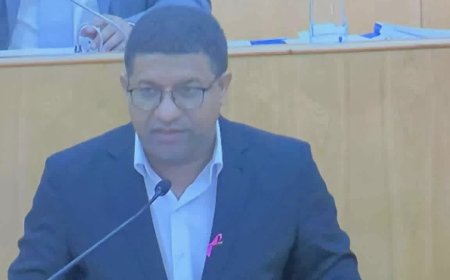
The Minister of Justice stated today that the government may expand its review of the use of public assets—including the suspension of property leases—to reduce rental expenses and free up resources for other government priorities.
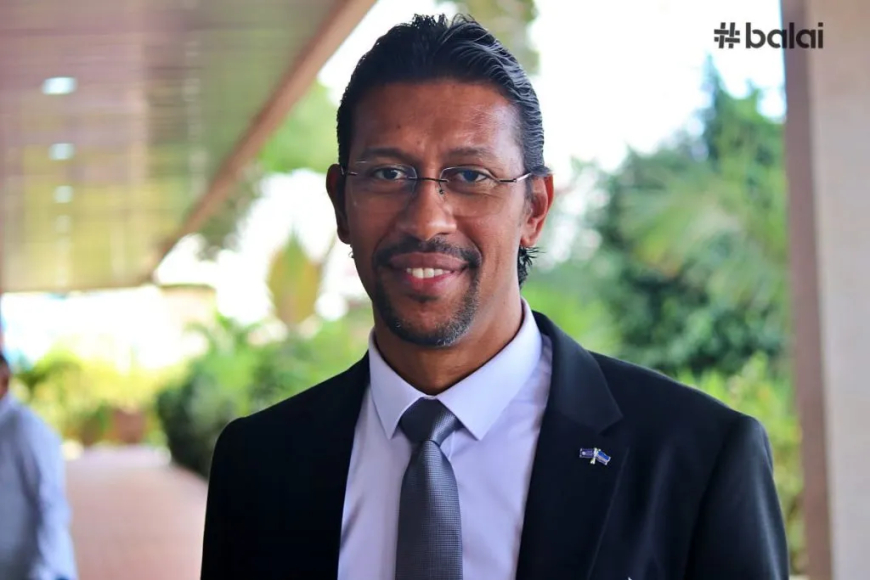
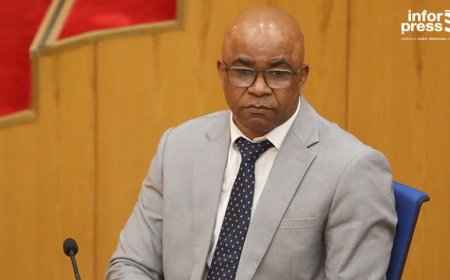
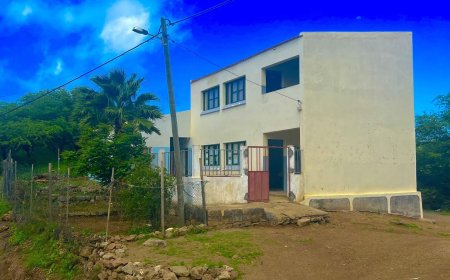
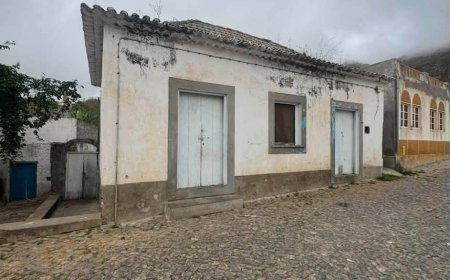
Clóvis Silva was speaking to the press on the sidelines of the First International Conference on Real Estate Law in the city of Praia, reacting to the provisional suspension of the transfer of a state-owned property to the Higher Institute of Legal and Social Sciences (ISCJS), in Achada de Santo António, Praia.
“The issue regarding this property has nothing to do with who it was handed over to. People have a clear understanding, for example, of the costs associated with healthcare, and the government is now shouldering that entire cost. Higher education, maritime transport, air transport—all of this places an enormous burden on the government,” he emphasized.
The minister explained that the measure is part of a strategy to redefine the government’s priorities, focused on managing public assets to ensure funding for sectors such as healthcare, education, and transportation.
“It is unacceptable for the Ministry of Family Affairs to pay one thousand contos in rent per month. It is unacceptable when the government has assets it can use,” stated the minister, noting that the Ministry of Justice itself pays monthly rents ranging from 500 to 600 contos for its facilities.
According to the minister, the government intends to identify public properties that can be used to house government services, thereby avoiding rent payments and the duplication of facilities.
“We need to stop paying rent. We need to stop duplicating services. We need to reduce the number of institutions,” he declared, arguing that curbing expenses will allow resources to be channeled toward other needs, particularly healthcare.
Clóvis Silva assured that the suspension of the lease is not intended to harm the ISCJS, adding that the decision—which is provisional in nature—should be understood within the context of a broader analysis of the state’s resources and assets.
“The Higher Institute of Legal and Social Sciences is not being targeted. There are no targets here,” stated the minister, adding that the prime minister is expected to present information on the state’s expenses related to public buildings in order to clarify the rationale behind the measure.
According to the decision published in the Official Gazette (B.O.), the suspension of the permanent transfer of the property, ordered by Ordinance No. 56/2026 of October 12, aims to reassess the legal, administrative, economic, and asset-related aspects of the transaction.
The ISCJS has also responded at a press conference through its president, Yara Miranda, who deemed the decision “legally questionable and materially unfair,” questioning the criteria used to differentiate the ISCJS from other institutions that have benefited from transfers of public assets and calling for dialogue with the government.
Inforpress