





















Immigrants complain about red tape and delays at the Brava customs office
Cidade Nova Sintra, September 14, 2026 (Bravanews) — Immigrants traveling to Brava Island are expressing concern over what they consider to be excessive bureaucracy, delays in picking up packages, dependence on Praia, and high costs associated with customs procedures. Among the reported cases are those of Eugénia Pinto, Benilde Silva, Zulmira Lima, Anita Lima, and Olavo Lopes, immigrants who claim to have stayed on the island for three weeks and were only able to pick up their packages on the last day of their stay.
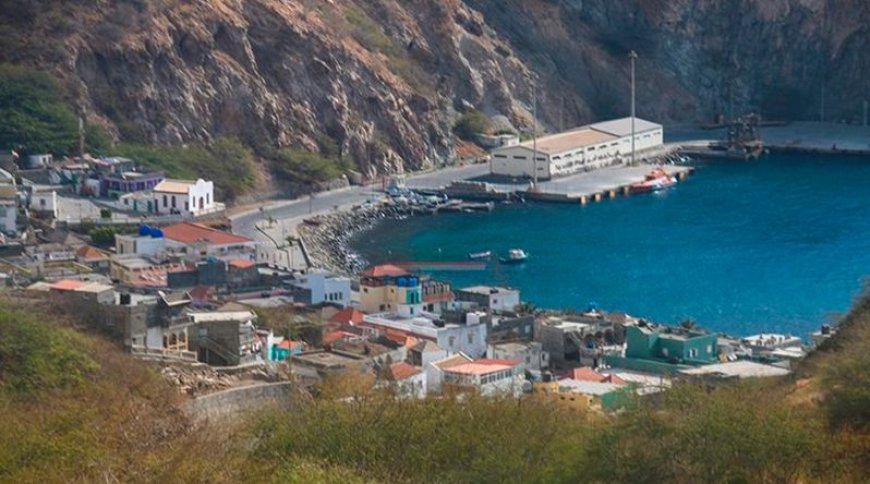
Bravanews spoke with Eugenia Pinto, who reported that the situation ended up causing her inconvenience during her trip, since she had expected to be able to pick up the package in a much shorter period of time. The immigrant believes that the existing procedures ultimately penalize, above all, those who live abroad and return to Brava for limited periods, often to visit family, attend to personal matters, or participate in community activities.
“I came to Brava for three weeks and was only able to pick up my package on the last day,” Eugénia said, expressing her dissatisfaction with the process. For the emigrant, a situation of this nature highlights the difficulties faced by those who depend on customs services to receive goods shipped from abroad.
Eugénia says she does not understand the need to exchange documents, specifically the replacement of the yellow form with a white one. She also questions the delay caused by the need to wait for guidance from the City of Praia to determine the rates to be applied when clearing the packages. The expatriate also states that she has serious difficulty understanding why services are sometimes suspended during business hours, allegedly because the supervisor has left for lunch.
One of the main criticisms raised relates to bureaucracy. Emigrants claim that the process can be time-consuming and require a series of procedures that, in their view, could be simplified. For those staying on the island for only a short time, every day of waiting represents an additional hardship, especially when the trip has a predetermined duration.
Eugénia also points to the reliance on services in Praia as one of the factors contributing to the delay. In her view, the fact that certain procedures or decisions depend on entities located off the island ultimately hinders the swift resolution of cases in Brava.
The emigrant also questions the fees charged on shipments. According to her account, the prices are considered high, making the pickup of goods a significant expense for those living abroad who send items to family members or transport goods to the island.
The complaints, however, are not limited to Eugénia. Among the emigrants who also express dissatisfaction are Zulmira, Anita, Benilde, and Olavo, who echo the complaints about how the services operate and the difficulties encountered in the process of picking up packages.
For these emigrants, the issue goes beyond an individual case. The concern raised is that the difficulties faced at customs could become a recurring experience for people returning to Brava, especially during the season when there is increased emigration activity on the island.
The complainants argue that procedures should be streamlined, particularly for emigrants with scheduled return dates. When a shipment takes several days or weeks to be cleared, they explain, the owner may end up leaving the island without being able to receive their goods, even though they have complied with the required procedures.
Another point raised is the need to tailor services to the specific needs of an island like Brava. Because it is an island community with its own limitations regarding transportation and connections to other islands, the emigrants believe that administrative processes should take these particularities into account.
The complaints raised by Eugénia, Benilde, Zulmira, Anita, and Olavo once again bring into question the relationship between emigrants and the public services responsible for customs procedures. The complainants are calling for greater speed, more transparency regarding procedures, and a review of the costs associated with packages, arguing that the system should be more accessible to those returning temporarily to the island.
To date, the accounts presented reflect the experiences and opinions of the emigrants mentioned. It would be important for us to also hear the position of the relevant customs authorities regarding these complaints, particularly regarding processing times, the procedures handled by the City of Praia, and the criteria used to determine the fees charged for packages. The emigrants hope that the matter will be examined and that solutions will be found to reduce bureaucracy and prevent other travelers from facing similar situations.
MS