










Our Lady of the Mountain, caught between the widening social divide with São João Baptista and nostalgia for a glorious past
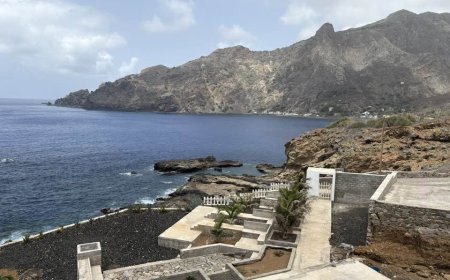
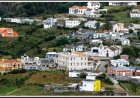
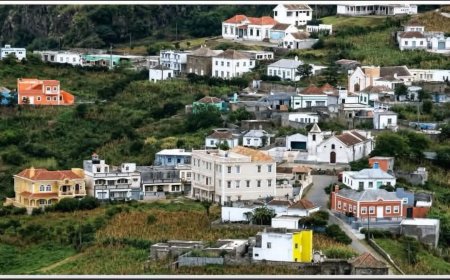
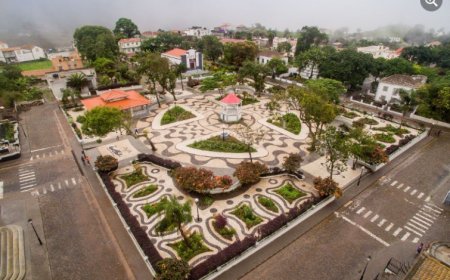
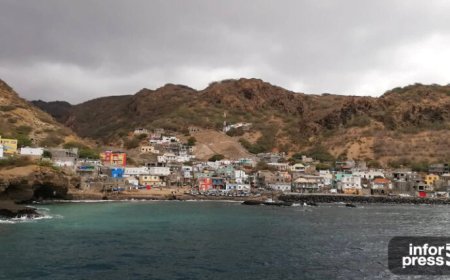
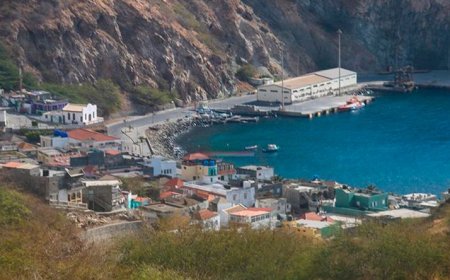
Nossa Senhora do Monte, once the most prominent parish on the island of Brava, seems today to exist somewhere between the memories of a past marked by prosperity and the uncertainties of a present characterized by neglect, the loss of essential services, and the absence of clear prospects for development. What was once a source of pride for its residents seems to be gradually turning into a distant memory, while other towns consolidate their central role in the island’s administrative and social life.
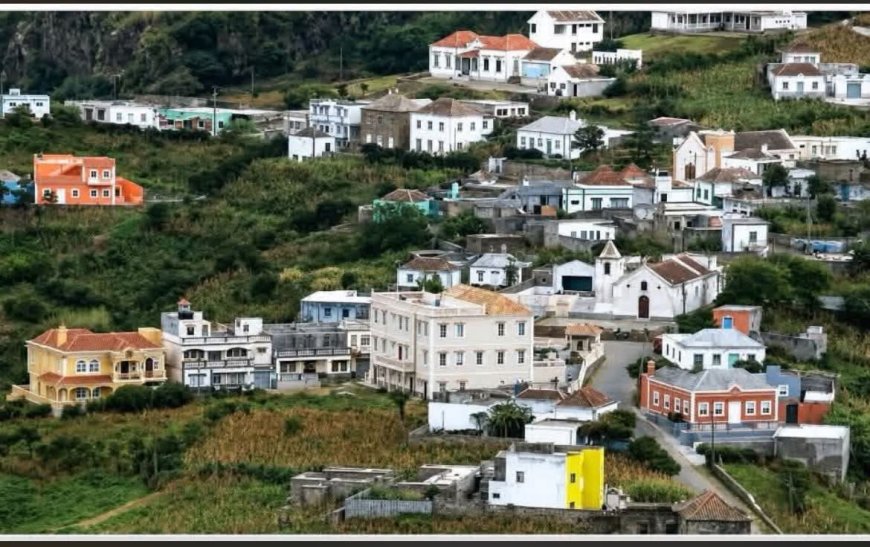
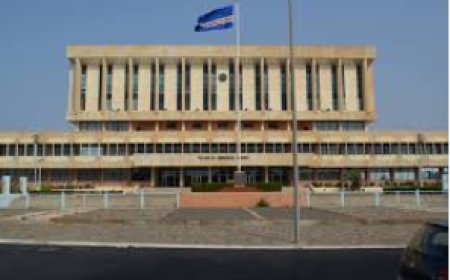
The inevitable comparison with São João Baptista—the municipal seat and administrative center of Brava—is becoming increasingly evident. This is not about fueling rivalries between localities, nor is it about downplaying the importance of São João Baptista. It is about recognizing that the balanced development of an island requires that no community be condemned to marginalization. When the gap between localities widens, the issue ceases to be merely geographical and becomes social, economic, and political as well.
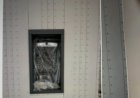
The absence of a functioning post office is one of the signs of this loss of services and institutional proximity. In an island territory, where distances, mobility, and access to public services continue to pose challenges, the lack of basic infrastructure has tangible consequences for citizens’ daily lives, especially for the elderly and those without their own means of transportation.
Even more concerning is the state of healthcare infrastructure. The absence of a health clinic in decent condition raises questions about access to primary care, prevention, and follow-up care for the population. It is unacceptable for a community to face increased difficulties in obtaining basic care, especially as the population ages and the need for medical care tends to increase.
The state of disrepair of the school also warrants serious consideration. A school is not just a building where teaching and learning take place. It is a symbol of hope, continuity, and the future. When the physical conditions of a school deteriorate, the message conveyed to the community is troubling: how much importance are we placing on education and future generations?
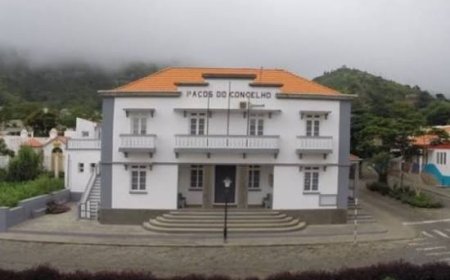
The absence of a Municipal Delegation represents another institutional void. A community cannot permanently depend on trips to the municipal seat to resolve issues that could be handled locally. The proximity of municipal services is not an administrative luxury, but a way to ensure citizen participation, efficiency, and respect. Decentralization begins precisely where public authorities draw closer to the people.
Meanwhile, there is a silent but deeply troubling phenomenon: the gradual exodus of young people. Without job opportunities, without consistent economic initiatives, and without conditions that encourage new families to settle there, Nossa Senhora do Monte risks losing a significant part of its capacity for renewal. Young people are leaving in search of opportunities, and those who remain face the difficult task of building a future in a region with few alternatives.
The aging population further exacerbates this situation. Homes that once housed large families are now inhabited by the elderly, while many others remain empty for much of the year. Population loss is not merely a statistical decline: it means less economic dynamism, lower demand for services, weakened community ties, and a growing risk of depopulation.
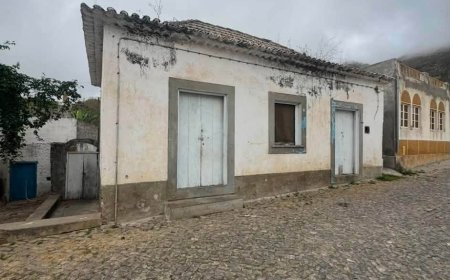
It is in this context that nostalgia for the past gains strength. But we cannot live forever on the glories of yesterday, nor can we turn memory into an excuse to accept today’s reality. Nossa Senhora do Monte needs a new commitment to its future: infrastructure rehabilitation, restoration of public services, preservation of its heritage, promotion of economic activity, creation of opportunities for young people, and a concrete strategy to attract people and investments.
The question that arises is simple: what place do we want to reserve for Nossa Senhora do Monte in the future of Brava Island? Its past deserves respect, but its population deserves more than just memories. It deserves services, dignity, opportunities, and institutional attention. Brava’s development cannot be measured solely by what happens in São João Baptista, but by the ability to ensure that all of its communities have the conditions to live, grow, and prosper. Because an island only truly develops when none of its communities is left behind.
MS