

























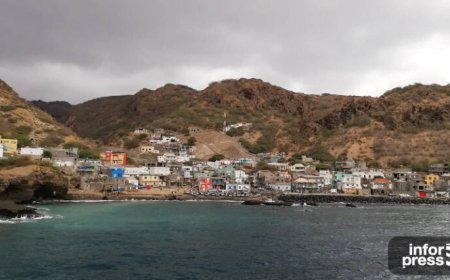
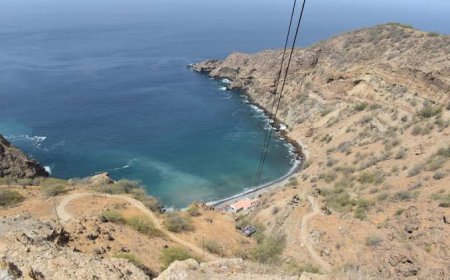

The ordeal continues, with Ilha Brava once again cut off from the outside world
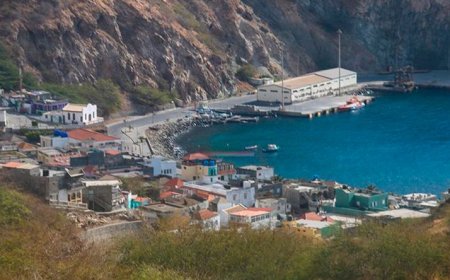
Nova Sintra, October 4, 2026 (Bravanews) — Brava Island is once again facing another episode of maritime isolation after CV Interilhas announced the suspension of the ferry services scheduled for today. The situation once again places the island at the center of concerns regarding the regularity and reliability of maritime transport in Cape Verde.
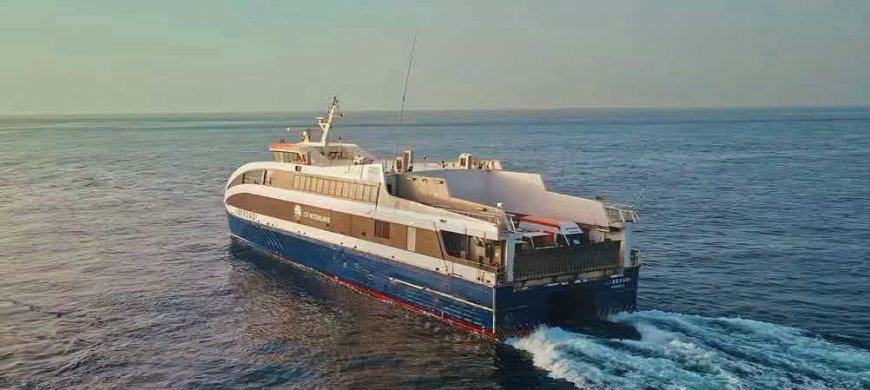
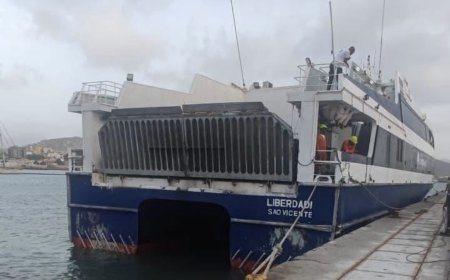
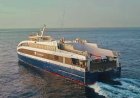
According to CV Interilhas, despite the work carried out by its engineering team yesterday afternoon and throughout the night, it was not possible to complete the repairs on the ship’s generator Liberdadi to restore the technical conditions necessary to ensure safe navigation.
With the Liberdadi currently out of service, the Santiago/Fogo/Brava route and the Santiago/Maio/Santiago connection scheduled for today have been suspended. For the residents of Brava, this suspension represents more than just a trip cancellation: it means the worsening of an isolation problem that has been affecting the island’s economic and social life for years.
Brava relies heavily on maritime transport for passenger travel, the import of goods, the supply of commercial establishments, and connecting families to the rest of the archipelago. Every prolonged interruption ultimately has consequences that extend beyond the passengers left stranded on shore.
CV Interilhas assures that it is focusing all its efforts on resolving the malfunction and restoring the ship’s operational status. The company also states that further information will be released as soon as there is an update on the progress of the repairs and an estimated timeline for the resumption of operations.
The company reaffirms that the safety of passengers, crew, and navigation remains the top priority in all operational decisions. This principle is non-negotiable, but at the same time, the succession of service interruptions once again raises questions about the existence of alternatives capable of preventing a ship’s breakdown from leaving an entire island virtually isolated.
For Brava, the problem is particularly sensitive because the island has no regular land or air alternatives that can quickly replace maritime transport. When service is interrupted, passengers, students, patients, merchants, and families are forced to wait for a solution that is often beyond their control.
This latest incident thus reignites the debate over the need for a structural solution for maritime transportation to Brava. Rather than seeking answers only after each breakdown, it is necessary to discuss contingency mechanisms that ensure a minimum connection to the island even when the main ferry is temporarily out of service.
The people of Brava have repeatedly expressed their concern about what they consider to be chronic isolation. The issue of transportation has long since ceased to be merely an operational matter for shipping companies and has become a matter of development, safety, the economy, and quality of life for those living on the island.
While awaiting a new announcement from CV Interilhas, the question remains: How much longer can Brava continue to depend on a maritime connection that is vulnerable to every breakdown or operational interruption? For many residents of Brava, the answer cannot continue to be simply to wait for the next ship.