

















A Brava beyond electoral promises and the portrait of a nine-speed country - The fisheries sector
(...) Fishing on the island of Brava, a portrait of abandonment, structural difficulties and the gradual loss of manpower (...)
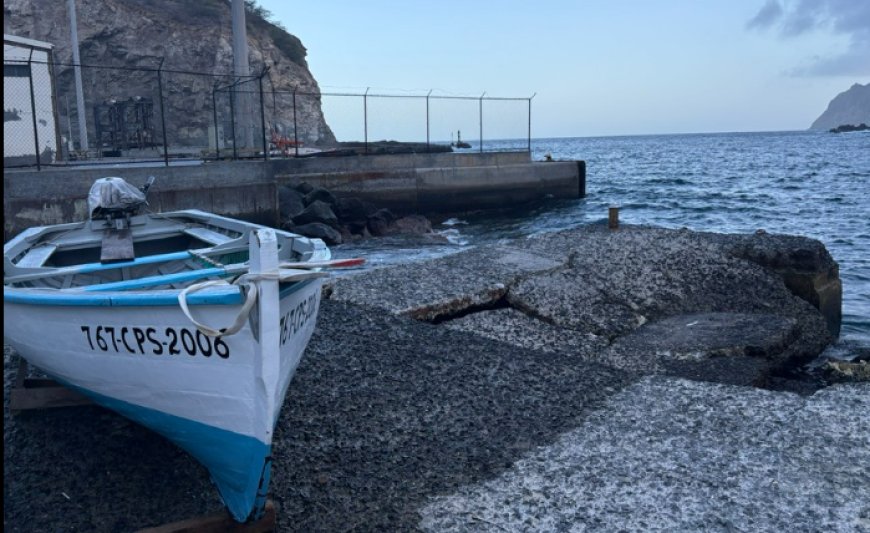
The fishing situation on the island of Brava today is a worrying picture of abandonment, structural difficulties and the gradual loss of one of the most traditional and important activities for the survival of many families.
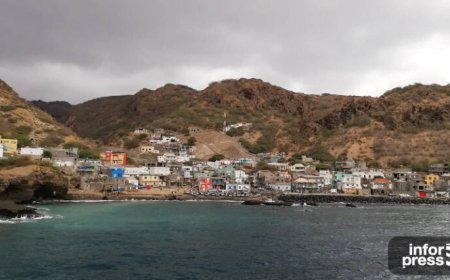
(...) For decades, fishing was one of the pillars of the local economy. In communities like Nossa Senhora do Monte, Furna and Fajã d'Água, the sea has always represented sustenance, identity and hope. However, in recent years, this reality has deteriorated visibly and alarmingly.
One of the main problems faced by Brava fishermen is the lack of adequate means. Many boats are old, unsafe and not properly maintained. The lack of modern engines, navigation equipment and fish conservation drastically limits their ability to work. In the 21st century, there are still fishermen who face the sea in extremely precarious conditions, putting their own lives at risk.
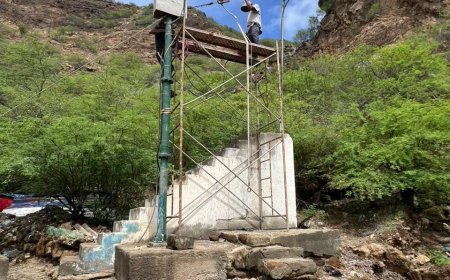
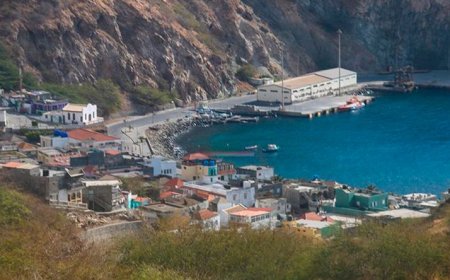
Another major challenge is the lack of infrastructure. The island lacks a properly equipped and functional port that offers safe conditions for loading, unloading and preserving fish. The lack of sufficient cold storage facilities means that much of the fish is lost or sold at very low prices, directly damaging the fishermen's income.
This is compounded by rising operating costs. The price of fuel, which is essential for the activity, has been rising, making every trip out to sea a financial risk. Often, the amount obtained from selling the fish barely covers expenses, demotivating professionals and driving younger people away from this activity.
Fishing on the Brava also faces competition from more modern and better equipped boats from other islands, which manage to catch larger quantities of fish and dominate the market. This inequality further exacerbates the fragility of the local fishermen, who struggle daily to make ends meet.
Another worrying aspect is the lack of effective and consistent public policies aimed at the sector. Despite recurring promises, investment has been insufficient or late. There is a lack of technical training, structured financial support and a clear strategy to enhance and modernize fishing on the island.
As a consequence of all these factors, there has been a progressive abandonment of the activity. Many fishermen choose to emigrate or look for other ways of making a living, leaving behind a tradition that has always been part of Bravense's identity. Young people, in turn, no longer see fishing as an opportunity for the future, which puts the continuity of this practice at risk.
The situation calls for urgent and coordinated intervention. It is essential to invest in modernizing the fleet, creating adequate infrastructure, access to credit for fishermen and implementing policies that guarantee better working conditions and fish sales. More than an economic issue, this is about preserving a cultural and social activity deeply rooted in the history of the island of Brava.
If nothing is done, fishing could cease to be a reference point on the island, becoming just a memory of more prosperous times. And with that, not only a source of income will be lost, but also an essential part of the identity of a people who have always lived in intimate connection with the sea.
Moises Santiago