

























Brava: Cement Shortage Hinders Construction and Exacerbates Economic Difficulties, Businessman Warns
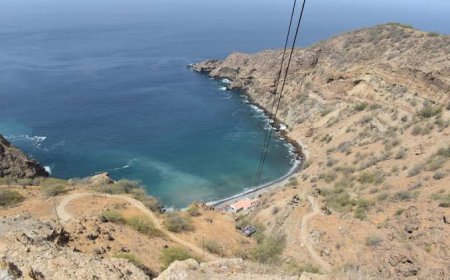
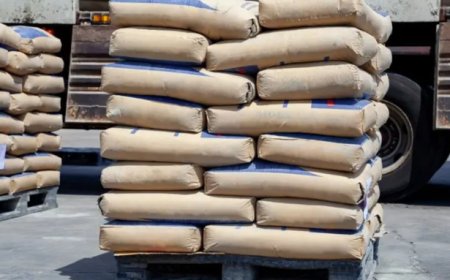
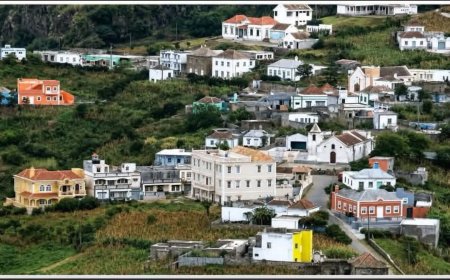
The head of Demol & TEC expressed concern today about the ongoing cement shortage in Brava, which has been going on for more than two weeks and is seriously affecting the company's operations.
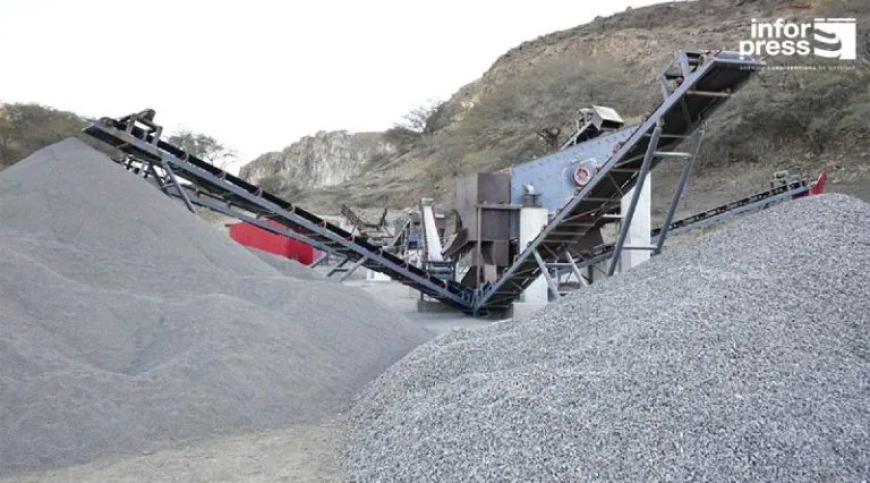
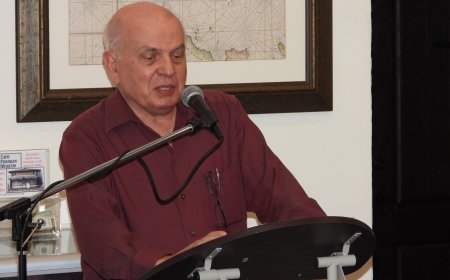
António de Pina, speaking to Inforpress, described the situation as “discouraging,” given that both his crushing plant and the company depend directly on cement to carry out their operations.
According to him, the shortage of this material is hindering progress on several projects and jeopardizing the fulfillment of orders.
“Right now, no one is collecting aggregates, and we have a huge number of orders for concrete blocks to supply to customers, but we are unable to fulfill them because the cement shortage is halting production,” he said.
The businessman argued that the time has come to definitively resolve the problem of transporting goods to Brava Island, emphasizing that he places his hope in the new government to find a solution to a situation that, he said, has been dragging on for several years.
Otherwise, he warned, many people may lose the motivation to remain on the island due to a lack of jobs and opportunities for development.
Pina also pointed out that the construction industry plays a crucial role in the local economy, as it involves various professions—such as masons, painters, carpenters, and other workers—and helps boost local commerce.
“When money circulates through the construction industry, merchants feel the positive effects. When there is a shortage of cement, the impact is exactly the opposite,” he said.
As he explained, the crushing company itself is facing major difficulties, since it is unable to sell the materials it produces due to the halt in construction caused by the cement shortage.
Another factor highlighted by the businessman relates to the high costs of transporting cement to Brava.
According to António de Pina, there are companies interested in supplying the product to the island, but they end up backing out when they learn of the logistics costs.
As an example, he noted that while a bag of cement in the city of Praia may cost less than 900 escudos, on the island of Brava the same product sells for around 1,500 escudos.
António de Pina also called for a thorough examination of the existing inequalities between the country’s so-called peripheral islands and its central islands, noting that these disparities have been growing and undermine the sustainability of local communities.
In his view, this reality contributes to the increasing population exodus to the capital in search of better opportunities.
The head of Demol & TEC called on the government to urgently reevaluate the situation on Brava Island, advocating for measures that encourage the population to remain and strengthen the conditions for economic development.
“We are on this island out of love, but we need the right conditions to stay. The cost of living is constantly rising, and we need to create mechanisms that encourage those who continue to hold on,” he stated.
Finally, António de Pina reiterated the need for a more efficient maritime transport system, not only for passengers but especially for the regular transport of goods and construction materials.
He stated that the current government is aware of the difficulties the island faces in this area, which is why it has called for urgent solutions to the constraints on cargo and passenger transport—a situation he described as unsustainable.
Inforpress