




























Cape Verde Reports a 50.3% Increase in Flight Bookings Following Its Historic Performance at the 2026 World Cup
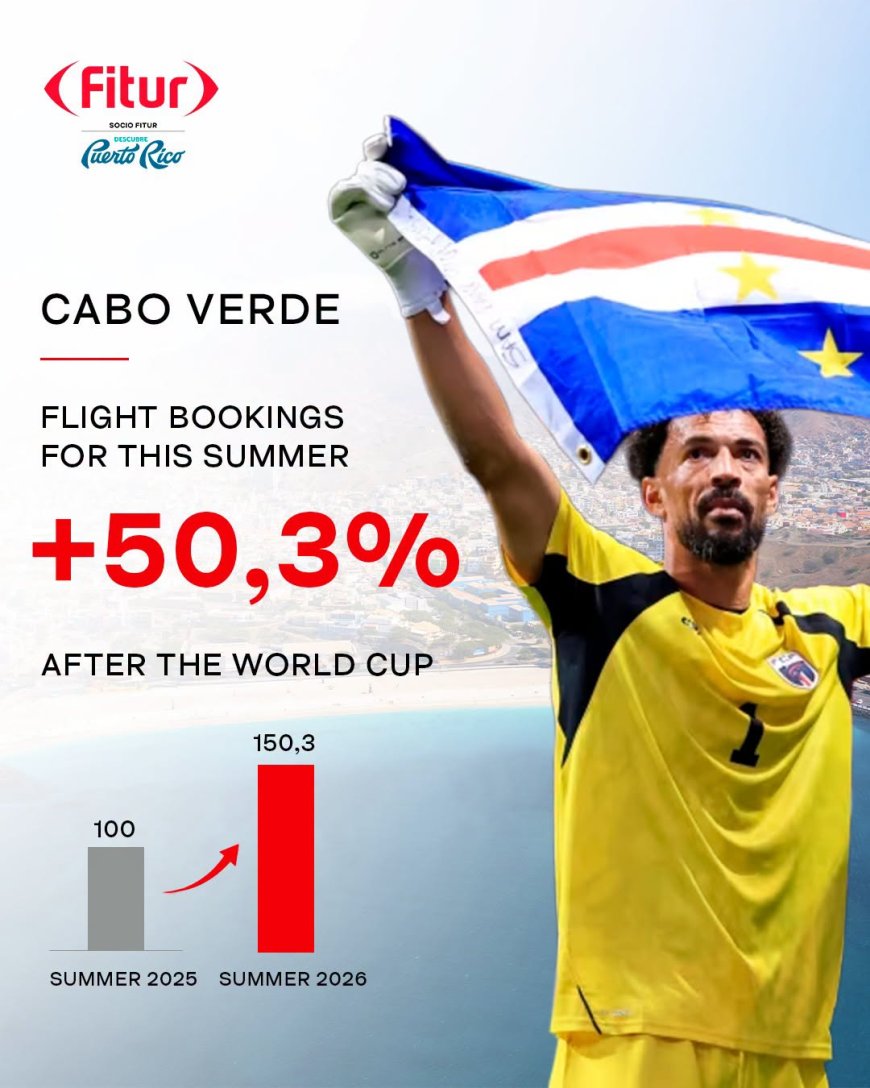
Cape Verde’s historic participation in the 2026 World Cup is already boosting tourist interest in the archipelago, with a 50.3% increase in flight bookings for this summer and a 14.4% increase in advance bookings. The country now faces the challenge of transforming the Blue Sharks’ growing international visibility into sustainable tourism growth, ensuring safety, efficient inter-island transportation, and the capacity to respond to potential emergencies.
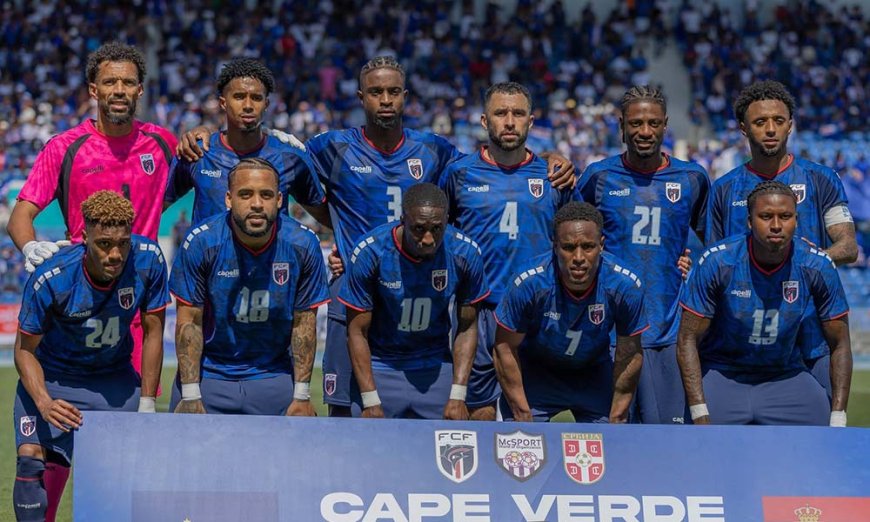
Cape Verde’s historic participation in the 2026 World Cup is already beginning to have a tangible impact on the tourism sector. According to an analysis by Data Appeal Company, in partnership with the Almaviva Group and the African Travel & Tourism Association (ATTA), the archipelago has seen a 50.3% increase in flight bookings for this summer, as well as a 14.4% rise in advance bookings for the coming months.
The data confirms what many had already anticipated: the Blue Sharks’ presence on the world’s biggest soccer stage put Cape Verde in the spotlight for millions of people and sparked the interest of potential visitors who, until now, might never have considered the archipelago as a tourist destination.
Participation in the World Cup demonstrated how sports can serve as a powerful tool for international promotion. The Cape Verdean national team not only made history on the field but also helped project the country’s image to a global audience.
The impact is particularly significant for a country like Cape Verde, where tourism is one of the main sources of economic activity. The visibility gained during the World Cup could turn into a long-term opportunity, but only if the country is prepared to respond to the increased international interest.
The big question now is whether Cape Verde will be able to capitalize on this opportunity.
Will the government take all necessary measures to ensure that the country continues to be recognized as a safe, well-organized, and reliable destination? And will it be prepared to prevent internal problems—especially regarding inter-island transportation—from undermining the tourist experience?
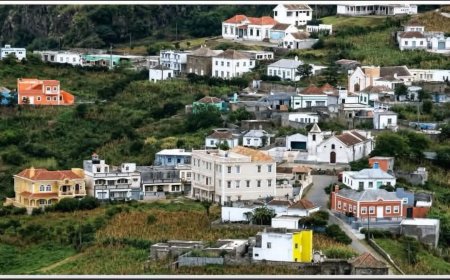
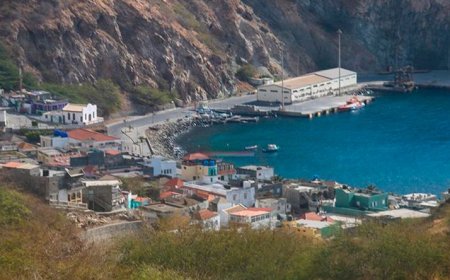
The recent problems with maritime transport to Brava and Maio demonstrate that there are still weaknesses that need to be addressed urgently. For an international tourist, missing a flight, being stranded on an island, or facing uncertainty about the ferry connection between destinations can be enough to turn a positive trip into a negative experience.
The risk is real. The interest sparked by the Blue Sharks could lead thousands of people to search for and book trips to Cape Verde in the coming months and years. However, if these visitors encounter recurring transportation problems, logistical difficulties, or failures in emergency response, the positive image built during the World Cup could be affected.
The government should, if it has not already done so, consider immediately establishing an emergency task force for tourism, involving the ministries and agencies responsible for tourism, transportation, security, airports, ports, and tour operators. The goal would be to anticipate problems, keep pace with the increase in demand, and ensure a rapid response to any situation that could undermine the visitors’ experience.
This opportunity is too important to be wasted.
Cape Verde now enjoys international visibility that would be difficult to achieve through traditional advertising campaigns. The Blue Sharks did their part on the field. They put Cape Verde on the world soccer map and piqued the curiosity of millions of people.
Now it’s up to the country to turn that curiosity into visits, those visits into positive experiences, and those experiences into recommendations that bring in even more tourists.
The 50.3% increase in flight bookings and the 14.4% increase in advance bookings are a clear sign that there is a window of opportunity. But future success will depend on Cape Verde’s ability to ensure safety, connectivity, efficient inter-island transportation, and a tourist experience that lives up to the expectations it has created.
Soccer has opened the door. Now, the government and the tourism sector need to ensure that Cape Verde is prepared to welcome those who decide to visit.
The country’s international visibility is also expected to continue at major industry events. Visit Cabo Verde’s participation in FITUR 2027, which will take place from January 20 to 24, 2027, represents yet another opportunity to consolidate the growing interest in the archipelago and transform the visibility gained from the World Cup into sustainable tourism growth.
The question that remains is simple: Will Cape Verde seize this historic moment, or will it allow foreseeable problems—especially in transportation and internal organization—to derail an opportunity that the Blue Sharks helped create?