


















Elections 2026 promises change with social justice (PAICV) or continuity with economic stability (MpD).
Francisco Carvalho's ascent to the national stage as a potential Prime Minister is no accident. His performance in the capital, Praia, served as a "laboratory" of governance that the PAICV is now trying to scale up to the national level.

The PAICV has identified the electorate's immediate pain points, namely the cost of living and bureaucracy.
The Mobility Trump: By promising to lower air and sea fares, the party touches the exposed nerve of insularity. In Cape Verde, the isolation between islands is an economic and emotional barrier.
Slim Government vs. Corruption: This narrative focuses on the MpD's perceived "power fatigue". By promising transparency, Carvalho tries to attract the youth vote and the urban middle class who feel excluded from the system.
Education and Health: The cost exemption proposal is a high-risk fiscal move, but with a very high electoral return, appealing directly to the most vulnerable strata.
The MpD, for its part, plays the predictability card.
Macroeconomic Growth: The party relies on GDP figures and international confidence. The message is clear: "Don't trade the certain for the doubtful."
Betton and Social: The combination of large infrastructures with social programs aims to show that the country is modernizing, trying to overshadow criticism of the cost of living with the visibility of physical works.
The election of May 17, 2026 will be decided by the perception of "pocket vs. statistics". If voters feel that the growth that the MpD talks about doesn't reach their table, Carvalho's speech about a government "close to the people" will have a clear path to victory.
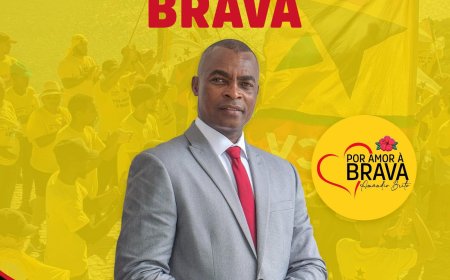
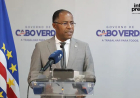
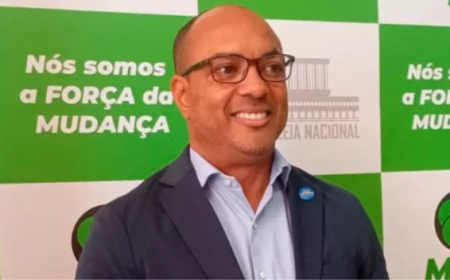
PRAIA - With just over two months to go until the legislative elections on May 17, the political scene in Cape Verde is heating up with a clear polarization between the continuity proposed by the MpD and the promise of "profound reform" led by Francisco Carvalho, the face of the PAICV for the post of Prime Minister.
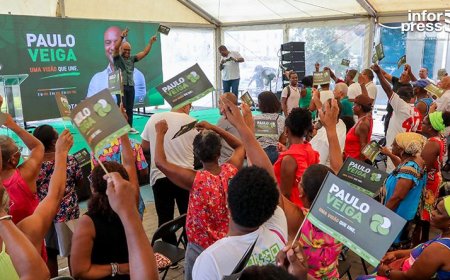
The PAICV entered the pre-campaign with an aggressive narrative focused on the management of the state apparatus. Francisco Carvalho has galvanized supporters with the promise of a lean government, focused on cutting superfluous spending and directly fighting what he calls "installed corruption".
Among the proposals that resonate most on the islands are:
-
Cost exemptions in the Health and Education sectors.
-
Drastic reduction in inter-island transport fares (air and sea).
-
A posture of governmental proximity, contrasting with the perceived technocracy of the current cast.
Analysts suggest that the choice of Carvalho as the face of change is an attempt to capitalize on his "man of the people" image, built up during his municipal term.
On the other side, the MpD (Movement for Democracy) refuses to give ground, anchoring its narrative in economic stability. The ruling party focuses on growth indicators and the promise of a vast infrastructure plan that, according to the party, will prepare the country for the future.
The MpD's official strategy is to convince the electorate that "continuity" is the only way not to derail the macroeconomic gains achieved, while strengthening its social protection program to mitigate criticism of inequality.
While the PAICV seems to have the "wind in its sails" with a socially appealing agenda, the weight of the state machine and the visibility of the MpD's works guarantee a close contest. On May 17, Cape Verdeans will choose between the consolidation of a development model or a radical change in the way the state is managed.