







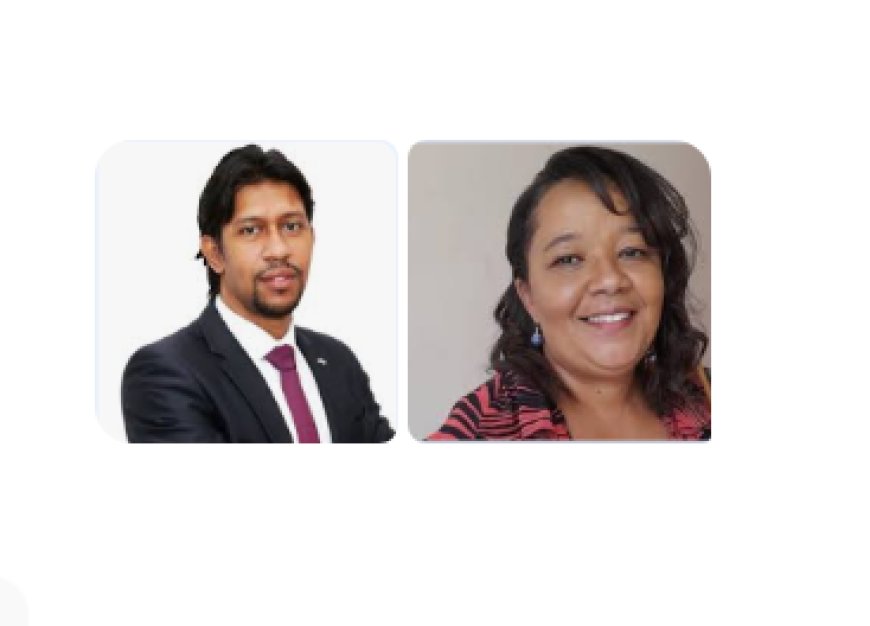
Fernanda Burgo and Clovis Silva, the duty of accountability
In a democratic system, a political mandate should not only be a period of exercising power, but also a permanent commitment to being accountable to the population. For this reason, at the end of each mandate, each MP should publicly present a detailed balance sheet of the five years they have spent in Parliament: their speeches, the proposals put forward, the causes defended, the support for communities and, above all, what they have done concretely for their island.
(...) Politics should not only be done during election periods. It should be done every day, throughout the term of office. And the best way to demonstrate work, seriousness and respect for voters is to look back and show, with transparency, what has been done.
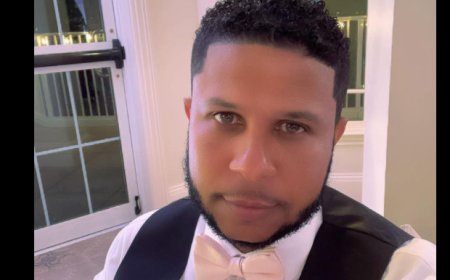
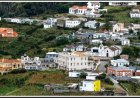
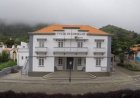
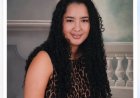
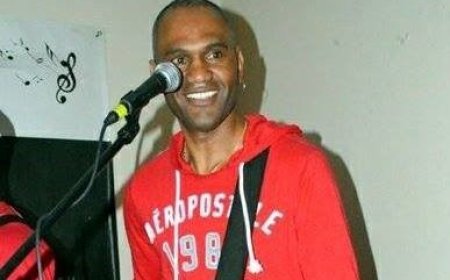
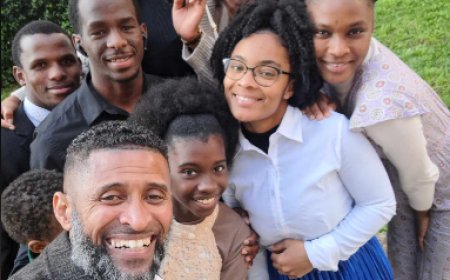
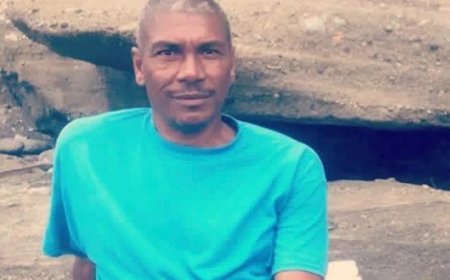
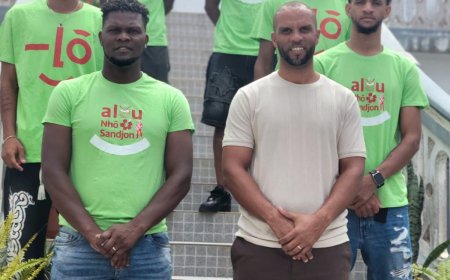
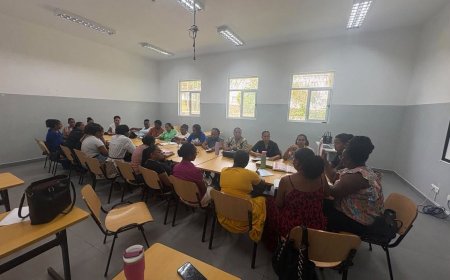
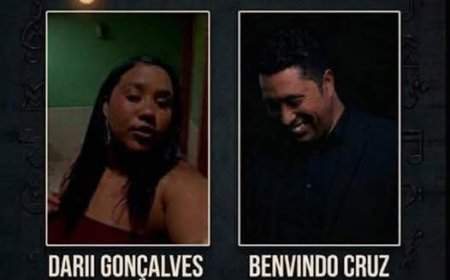
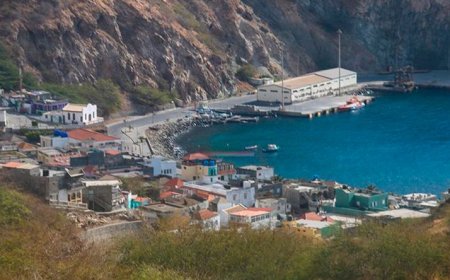
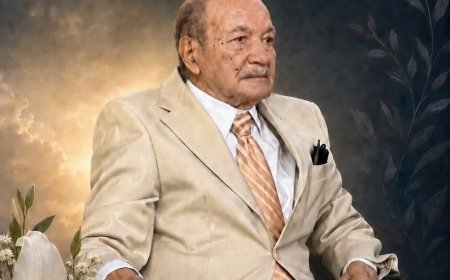
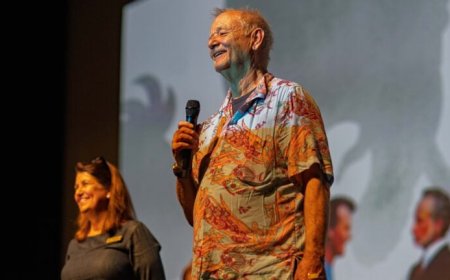
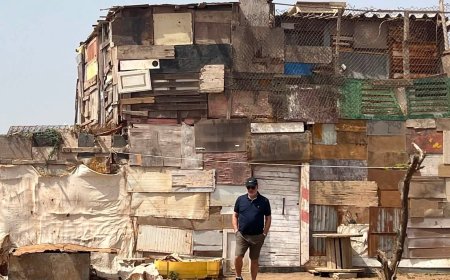
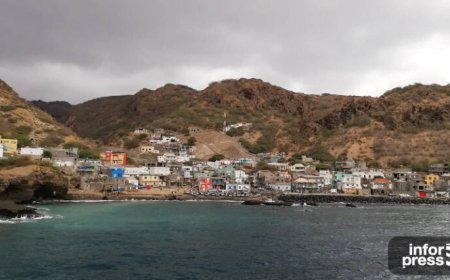
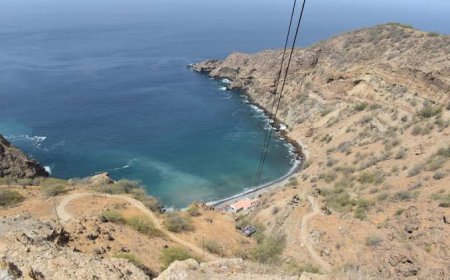
In the case of the island of Brava, this practice would be extremely important right now. The two MPs elected for the Brava constituency, Clóvis Silva of the PAICV and Fernanda Burgo of the MpD, should now go to the different communities on the island to present the balance of their mandate. It would be an exercise in transparency, proximity and respect for the people who elected them.
More than political speeches, the population needs concrete information: how many speeches they have made in Parliament about Brava, what projects they have defended for the island, what problems they have brought to Parliament, what contacts they have had with communities and associations and what concrete results they have achieved for Brava.
But there is another important point that cannot be ignored. Throughout their term of office, MPs receive allowances to visit their constituencies, keep in touch with the people and closely monitor the reality of the islands they represent. In the case of the Brava MPs, each one is said to have received around 7,000,000$00 in allowances for constituency visits throughout their term.
This means that Cape Verdean taxpayers paid, in total, around 14,000,000$00 in allowances for the two MPs to visit Brava, maintain contact with the communities and report back to the population. This being the case, the public presentation of the balance of the mandate should not be seen as a favor or a political gesture, but rather as a moral and political obligation to the population and to the taxpayers who financed these trips.
In the case of Clóvis Silva, this balance becomes even more important, given that he will once again be asking the people of Brava for their votes in the next elections. Anyone who runs again must, first and foremost, show the work they have done. Asking for trust without showing results is asking for a blank check, and democracy shouldn't work like that.
Politics should be based on responsibility, results and transparency. Voters shouldn't just vote for names or parties, but for work presented. And that work should be shown, explained and discussed with the population.
Perhaps it's time to create a different political culture: at the end of each mandate, each MP should return to the communities, present their balance sheet, listen to criticism, answer questions and only then return to ask for votes.
Because, in a mature democracy, winning elections is important - but being accountable to the population is an obligation.
MS