

























Government Announces Review of Fuel Price Stabilization Mechanisms
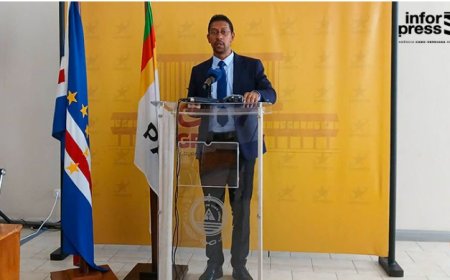
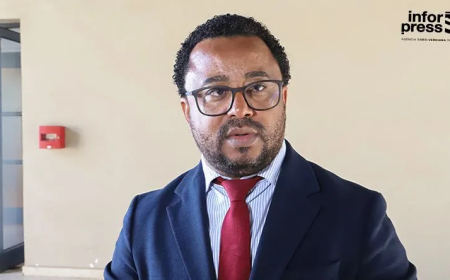
Prime Minister Francisco Carvalho announced today that the government is reviewing the mechanisms set forth in the 2019 legislation so that the country will have more effective tools for stabilization and protection against rising fuel prices.
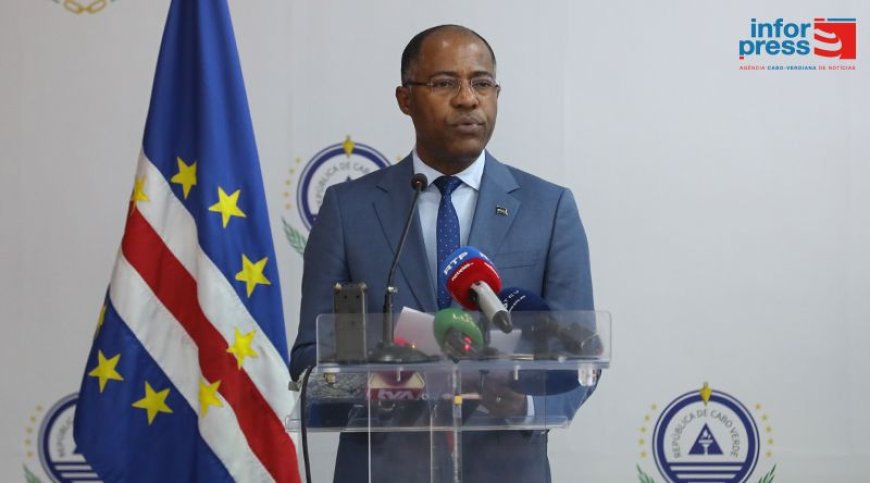
The head of government made this announcement during a review of the first 100 days in office, citing rising fuel prices as one example of the difficult decisions faced by the administration during this initial phase.
Francisco Carvalho explained that Cape Verde’s dependence on fuel imports leaves the country exposed to fluctuations in the international market, but he argued that acknowledging this reality should not prevent the search for solutions to minimize its impact on the population and the various sectors of the economy.
According to the prime minister, the ongoing review aims to strengthen the government’s capacity to respond to market fluctuations and protect sectors particularly affected by fuel costs.
Among the identified beneficiaries are households, the transportation sector, the fishing industry, and businesses.
The Prime Minister justified the need to revise existing mechanisms in light of changing economic conditions and advocated for greater adaptability in public policies.
“When the market changes, the government must also be able to reassess its responses and take action. We must have the courage to say that governing does not mean promising that everything will be resolved quickly,” he emphasized.
For the prime minister, governance involves setting priorities, making choices, mobilizing resources, implementing policies, monitoring results, and adjusting measures when necessary.
The head of the Executive Branch argued that the impact of public policies should be measured by concrete changes in the daily lives of families and communities.
Among the outcomes he cited as benchmarks are access to decent housing, the availability of daycare centers, children staying in school safely, the opportunity for young people to continue their education, and increased agricultural production.
He also included better working conditions for fishermen and greater access for communities to water, energy, transportation, and public services.
For Francisco Carvalho, another important indicator will be the reduction of disparities in opportunities among the islands.
“Whether you live in Santo Antão, São Vicente, São Nicolau, Sal, Boa Vista, Maio, Santiago, Fogo, or Brava should no longer mean having more or fewer opportunities,” he said, pointing to this as one of the government’s goals.
The prime minister acknowledged, however, that not all measures produce immediate effects and that some decisions made by the government require time to yield results.
Inforpress/End