












JBEY—more than just a spirit, an experience that carries the history and culture of Brava even further
Nova Sintra, November 23, 2026 (Bravanews) — José Andrade is one of those entrepreneurs who demonstrates that thinking about Brava does not necessarily mean limiting oneself to the island’s geographical boundaries. On the contrary, it means recognizing its potential, valuing its identity, and finding ways to carry the island’s name further afield. It is in this spirit that JBEY was created—a top-quality aguardente that is beginning to make its mark in the market.
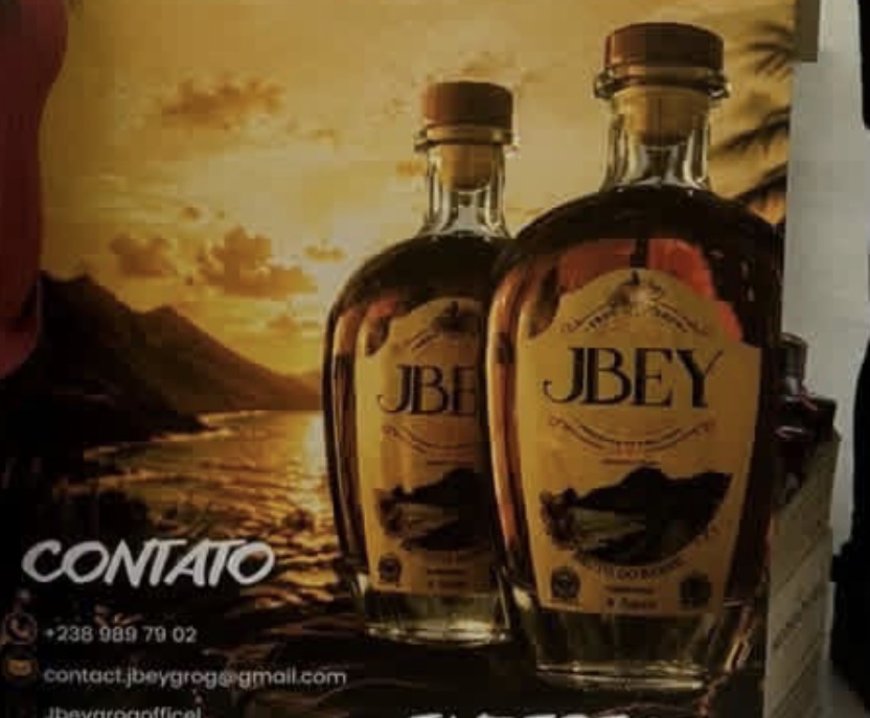
The commitment to JBEY represents a business vision that goes beyond simply marketing a beverage. It is an initiative that seeks to link a product to the identity of a region, making the history, tradition, and culture of Ilha Brava fundamental elements of its value proposition.
In an increasingly competitive market, where consumers seek distinctive products and authentic experiences, JBEY presents itself as a brand that seeks to build an emotional connection with those who discover and enjoy it. It’s not just about selling a bottle of aguardente, but about providing an experience that connects to Brava’s roots and personality.
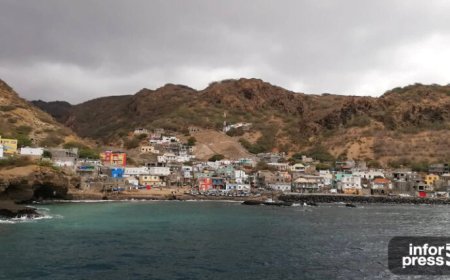
Brava Island has a rich history, a unique cultural identity, and traditions that deserve to be preserved and shared. Music, cuisine, hospitality, memories of ancestors, and the relationship between the people of Brava and their land constitute a heritage that can also find expression in business initiatives.
It is precisely at this intersection of entrepreneurship and cultural identity that JBEY seeks to establish itself. Each bottle can become an opportunity to tell a story, spark curiosity about Brava, and create a connection between the consumer and an island that, despite its small size, possesses extraordinary cultural richness.
José Andrade’s initiative also deserves to be viewed within a broader reflection on Brava’s economic development. The island needs people willing to identify opportunities, invest, innovate, and transform ideas into concrete projects. Development does not depend exclusively on large-scale infrastructure or public investment. It is also built through private initiative, creativity, and the ability to create products with their own distinct identity.
Another important aspect is the potential of the diaspora and international markets. Products associated with Cape Verdean identity can find consumers far beyond the islands, especially among emigrant communities and people interested in learning about new cultures. In this sense, JBEY has an opportunity to transform the emotional connection to Brava into an experience that transcends generations and borders.
However, establishing a brand requires consistency, quality, a business strategy, and the ability to earn consumers’ trust. The challenge lies not only in entering the market but in remaining in it, building a reputation, and developing a recognizable identity. It is a path that requires entrepreneurial vision, investment, and persistence.
Brava’s history is also shaped by those who, at different times and under various circumstances, decided to do something for their homeland. Some contributed through politics, others through education, culture, agriculture, commerce, or entrepreneurial initiatives. José Andrade, through JBEY, provides yet another example of how individual initiative can help shape the island’s image.
Ultimately, JBEY conveys an important message: Brava should not be seen merely as a place of origin, of nostalgia, or of return, but also as a source of inspiration, opportunities, and value creation. When a product manages to carry with it the history, authenticity, and identity of a place, it ceases to be merely a commercial product. It also becomes a tool for cultural and regional promotion.
Because JBEY is not just a brandy. It’s an experience, a way of life, and a way to take Brava with you. It’s proof that a small island can have big ideas and that the name “Brava” can reach far beyond its borders.
Moises Santiago