






















Minister recognizes need for integrated responses to affirm Cape Verde as an Atlantic hub
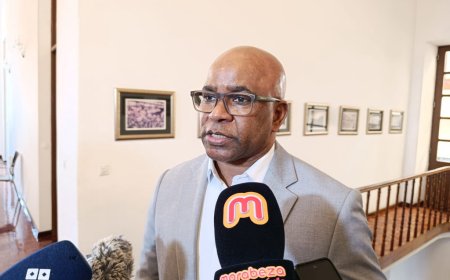
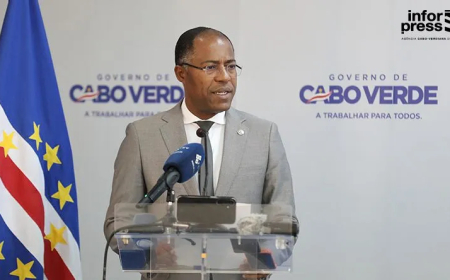
The Minister for Business Promotion and Development, Eurico Monteiro, warned this Tuesday of the challenges in technical training, policy articulation and maritime governance, advocating integrated responses so that Cape Verde can establish itself as an Atlantic hub.
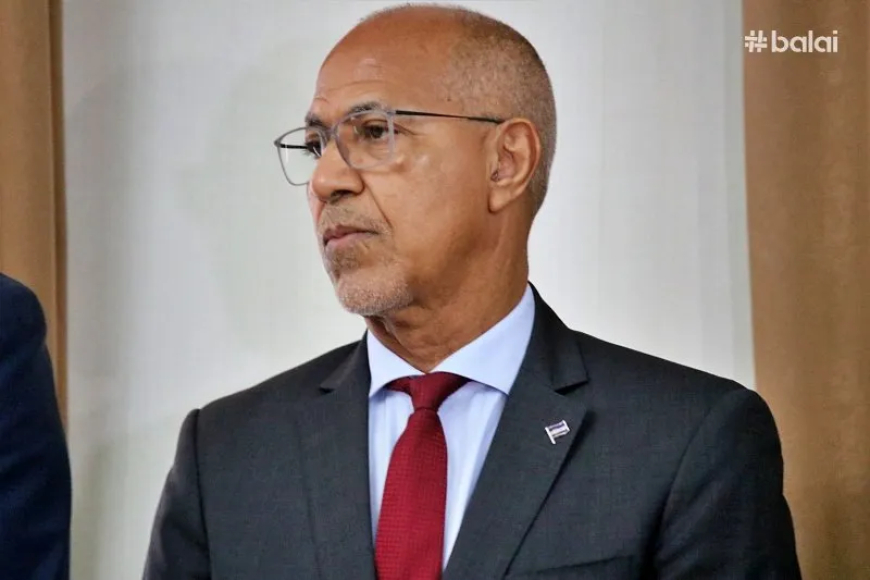
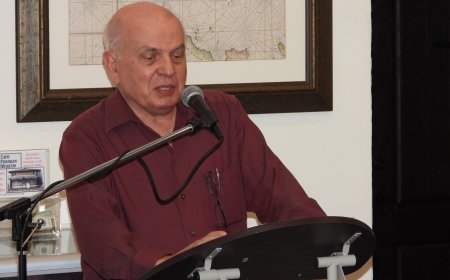
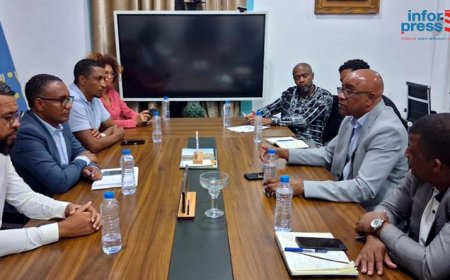
He made these statements during a conference entitled "Maritime areas under national sovereignty and jurisdiction, maritime administration and the maritime public domain: perspectives and challenges", as part of the first post-graduate course in Maritime Law, promoted by the Higher Institute of Legal and Social Sciences (ISCJS) in partnership with the Cape Verde Bar Association.
He said that Cape Verde's ambition was to become an Atlantic hub for maritime research, logistics and innovation, placing the sea at the center of its ambition.
He said that Cape Verde aims to establish itself as an Atlantic "hub" for research, maritime logistics and ocean innovation, placing the sea at the center of its development vision.
According to the minister, who presided over the opening ceremony of the conference, this ambition is the result of a combination of factors such as political stability, the archipelago's strategic location and the historical connection to the Cape Verdean diaspora.
"We have the ambition to become an Atlantic hub for research, maritime logistics and ocean innovation, benefiting from our political stability, strategic location and strong historical communication with the Cape Verdean diaspora spread around the world," he said.
Eurico Monteiro stressed that consolidating the blue economy requires an integrated approach, involving different sectors linked to the sea, from the marine environment to tourism, maritime transport, fisheries, renewable energies and scientific research.
The minister acknowledged, however, the existence of challenges that still hinder the full exploitation of this potential.
"There are still significant challenges, including the need for greater technical and scientific training, coordination between the various policies and improving our maritime governance," he said.
For the president, the blue economy represents a strategic opportunity for the country to strengthen its resilience and promote sustainable development.
"The blue economy therefore represents a unique opportunity for Cape Verde to diversify its economy, reduce external dependence and promote more inclusive and sustainable development," he said, considering that the country's future is linked to the way it values the ocean.
"With appropriate policies and active participation, the country can turn its ocean into the true engine of prosperity. More than a resource, the sea can also be the key to our future", he concluded.
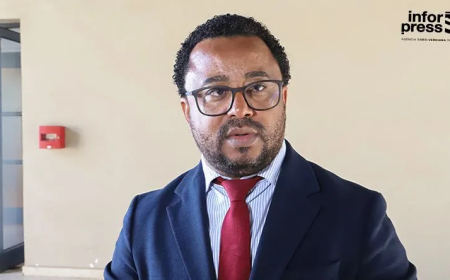
For his part, the president of the Cape Verde Bar Association, Júlio César Martins, argued that the development of the maritime sector depends on a robust and functional legal framework.
"We can't have a competitive maritime sector without legal certainty, we can't attract investment without regulatory predictability," he said.
He emphasized that the affirmation of the blue economy requires more than technical capacity, it also implies a legal system capable of regulating, supervising and protecting marine resources.
"If the sea is our greatest strategic asset, then the law is the instrument that will determine whether or not we know how to turn it into real value for our country", he concluded.
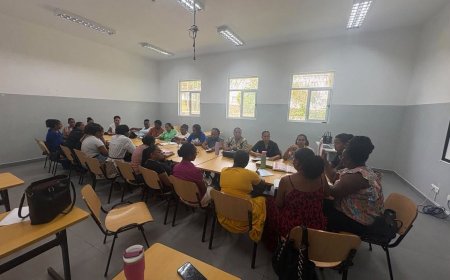
The conference brought together experts, academics and professionals to debate the challenges of managing maritime space, in a context in which Cape Verde is reinforcing its commitment to the sustainable use of its ocean resources.
Inforpress