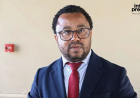






The mistake of not choosing Samuel Varela as the head of the MpD list in Brava could cost the party dearly in these elections and in the next ones
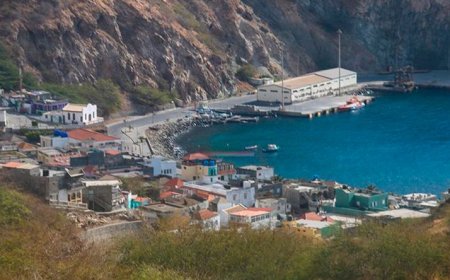
Cidade de Nova Sintra, April 2, 2026 (Bravanews) - The choice of list head for a legislative election is always a strategic moment for any political party, especially in small constituencies like that of the island of Brava, where the weight of people, relationships and political trust often counts for more than the party acronyms themselves. In this context, the MpD's decision not to choose Samuel Varela as its list leader for the island of Brava could prove to be a political mistake with consequences not only for these elections, but also for the party's political future on the island.
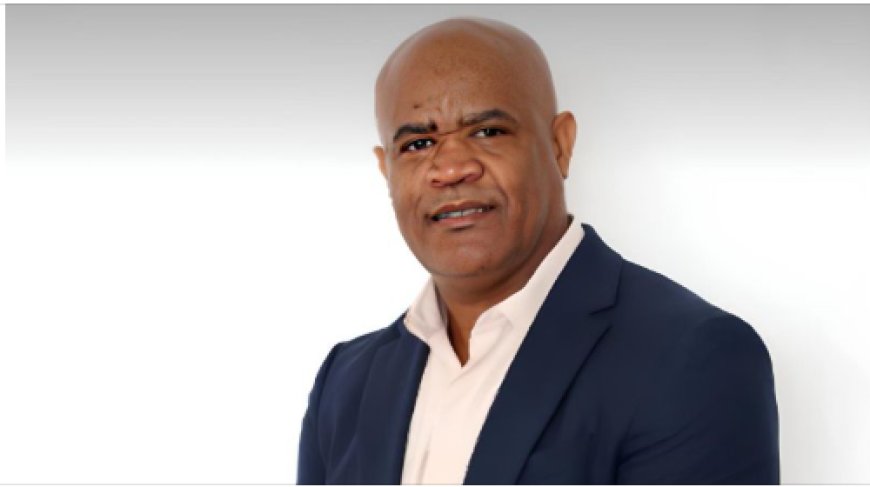
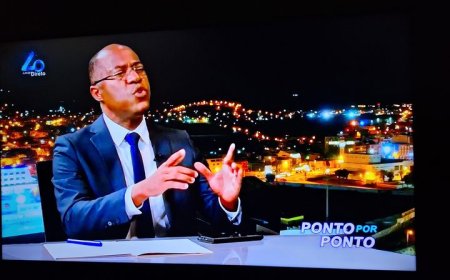
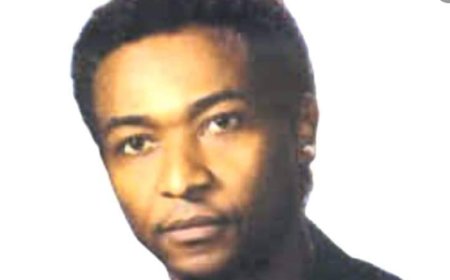
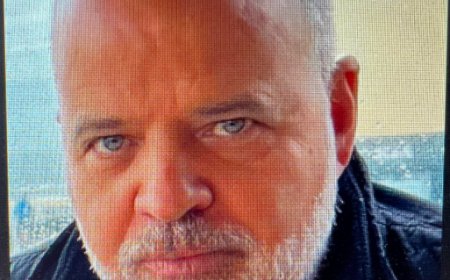
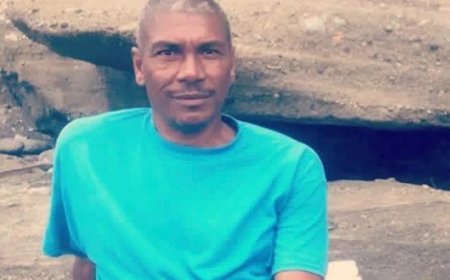
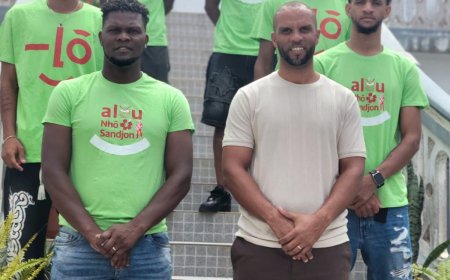
Samuel Varela has been one of the visible and politically active figures of the MpD in Brava for several years. As a substitute deputy and also as president of the local political committee, he has built up a constant political presence, with interventions, positions and links to local structures. Regardless of personal opinions or internal differences, it is undeniable that Samuel Varela has become a reference within the party on the island and a figure known by the population.
By not choosing him as head of the list, the MpD risks giving off an image of internal division, a lack of recognition of the political work done over the years and, above all, that decisions were not made solely on the basis of political and electoral criteria, but possibly by internal influences, groups and interests within the party itself.
In politics, perception is often worth as much as reality. And the perception that is beginning to take hold among many people in Brava is that the party has not rewarded those who have worked politically, who have represented the constituency and who have had some parliamentary experience. This reading can create demotivation within the party's own base, diminish the enthusiasm of militants and even alienate some traditional voters.
Another risk of this decision is internal fragmentation. When a party creates divisions between groups, wings or local leaders, the biggest beneficiary is usually the political opponent. Demotivated militants campaign less, supporters stay silent, and the party goes into elections without the full strength of its structure. In small constituencies like Brava, this can make the difference between winning or losing a mandate.
But the consequences may not be limited to these elections. Politics is also about memory. Decisions that are considered unfair or politically wrong leave their mark, create resentment and weaken party unity in the medium term. If the party has a result below expectations in Brava, many will inevitably point to this decision as one of the main strategic mistakes.
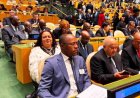
In addition, by not betting on a figure with parliamentary experience and knowledge of national issues, the party could also lose political strength in the National Assembly if it manages to elect a deputy for the constituency. Experience, the ability to intervene and knowledge of how parliament works are important factors that can't be built up overnight.
Politics is made up of decisions, and some decisions only show whether they were right or wrong after the elections. However, in Brava, there are already those who believe that the MpD took too big a risk by not choosing Samuel Varela as its head of list. If the electoral result is not positive, this decision will certainly be remembered as a strategic mistake that could cost the party dearly, not only in these elections, but also in the next electoral disputes on the island of Brava.
MS