
































The Ongoing Mobility Crisis on Brava Island and the Hope Placed in the Ship “Djabraba”
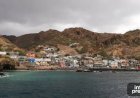
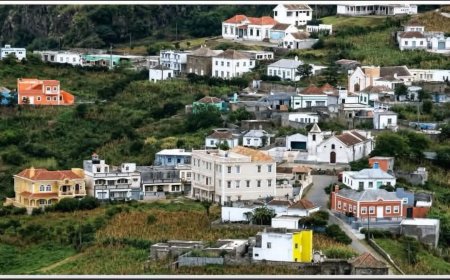
Nova Sintra, September 7, 2026 (Bravanews) — Brava Island, the smallest and most picturesque inhabited island in the Cape Verde archipelago, is experiencing a period of anxiety. On social media, in the squares of Nova Sintra, and at the island’s docks, the collective outcry is unanimous and echoes the same urgent question: “What is really going on with the ship Djabraba?”
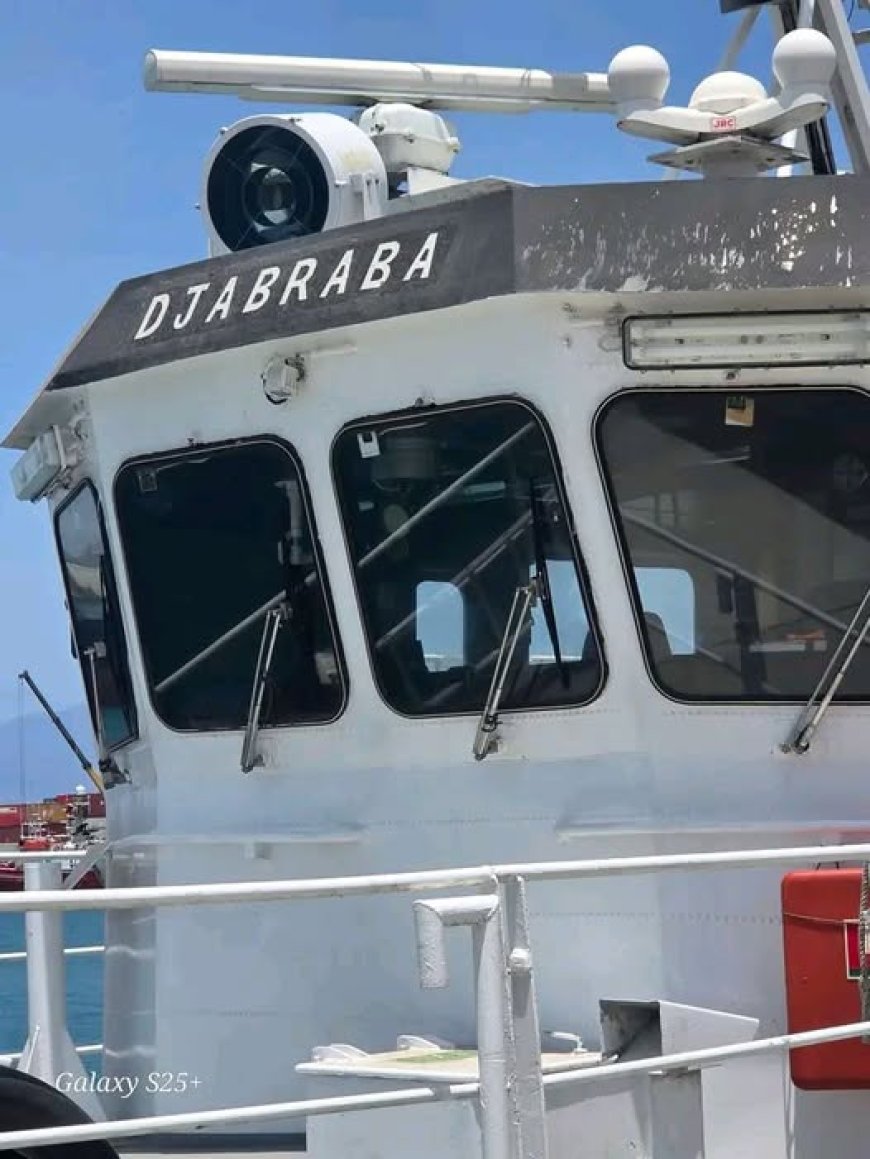
This question, which has become the motto of the indignant posts by Brava residents, reflects the frustration of a population that seems to see the definitive solution to its chronic transportation problems constantly postponed. The initial promise to expand the fleet had filled hearts with optimism, but the prolonged delay in the vessel beginning regular service has dredged up old fears of isolation and institutional neglect.
To understand the gravity of the situation, one must analyze how Brava has always been viscerally dependent on the sea to sustain its economic, social, and cultural vitality. The sea channel separating Brava from the island of Fogo is notoriously difficult and demanding, making the presence of a safe, robust vessel—perfectly adapted to the adverse conditions of that specific route—indispensable.
The physical arrival of the Djabraba in Cape Verdean waters initially sparked waves of celebration and widespread anticipation. However, the fact that the ship has been immobilized for more than two months in ports in the north of the country, such as São Vicente, has generated a wave of widespread mistrust among local citizens and the large Brava diaspora.
Government authorities, particularly the Ministry of the Sea, have been attempting to calm tensions through official statements and public clarifications. Officials justify the prolonged grounding with the urgent need to comply with rigorous technical inspections, safety surveys, and international certification procedures required by law.
Despite these technical and regulatory justifications, to the average citizen of Brava, the official arguments often sound like bureaucratic excuses that ignore the urgency of daily life on the island. The geographical distance between the central offices in the capital and the harsh reality of life in Brava creates a gap in empathy that is difficult to bridge.
Another key factor in the debate surrounding the Djabraba ferry relates to the model for managing and operating the vessel commercially. The government has indicated that the operation is likely to be awarded to a private operator, sparking discussions about the economic viability of the route and the need to ensure fair prices for passengers.
A structural analysis of transportation on Brava shows that the lack of regular maritime service hinders the island’s sustainable socioeconomic development. Farmers who produce local goods face immense difficulties in shipping their products to other islands, resulting in substantial losses and a waste of resources.
Similarly, the supply of essential food items, construction materials, and fuel suffers from constant stock shortages, which directly drives up prices in the local market and penalizes lower-income families. The scarcity of supplies turns shopping into a daily exercise in survival and strict resource management.
The health and education aspects are perhaps the most painful and dramatic consequences of this chronic isolation caused by transportation failures. Patients in need of urgent medical evacuation to Fogo or Praia face severe barriers, while students and skilled professionals encounter increased difficulties returning to the island or maintaining their professional mobility.
The uncertainty surrounding the exact date of the Djabraba’s maiden voyage fuels a climate of speculation and pessimism that is affecting the social atmosphere on Brava. Local associations and opinion leaders continue to demand full transparency from the relevant authorities, calling for a definitive and reliable public timeline.
At the same time, the debate over the future of maritime transport in Cape Verde intersects with ambitious political promises, such as the future implementation of a single fare for inter-island travel. Although the measure is viewed favorably in the long term, Brava residents emphasize that affordable fares are useless if the boats simply do not sail on a regular basis.
The outrage expressed in the online posts by Brava residents reveals much more than frustration with a specific administrative delay; it reflects a deep cry for dignity, equal opportunities, and institutional respect. Extreme insularity cannot and should not serve as a pretext for relegating an entire community to the periphery of national priorities.
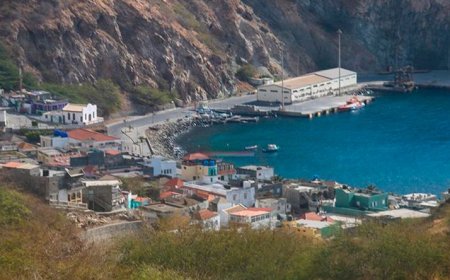
Until the long-awaited whistle of the Djabraba finally sounds in Brava Bay, the island will continue to live under the weight of uncertainty, torn between hope for the modernization of transportation and the disillusionment accumulated over years of unfulfilled promises. Resolving this impasse is, therefore, a decisive test of the effectiveness and sensitivity of the country’s public mobility policies.
It now remains to closely follow the next chapters of this long maritime saga, in the hope that public pressure and institutional common sense will finally converge toward a swift, safe, and lasting solution for the people of Brava Island.
MS