







Brava's future is also being shaped by women
Nova Sintra, June 27, 2026 (Bravanews) — Political renewal on the “Island of Flowers” marks a historic milestone: for the first time, two women are simultaneously representing Brava’s voice and destiny in the national Parliament. Ivone Cardoso and Maria Antónia Alves embody different paths, but they share the same weight on their shoulders—that of proving that geographical remoteness does not mean political inferiority and that women are symbols of strength, courage, and determination.
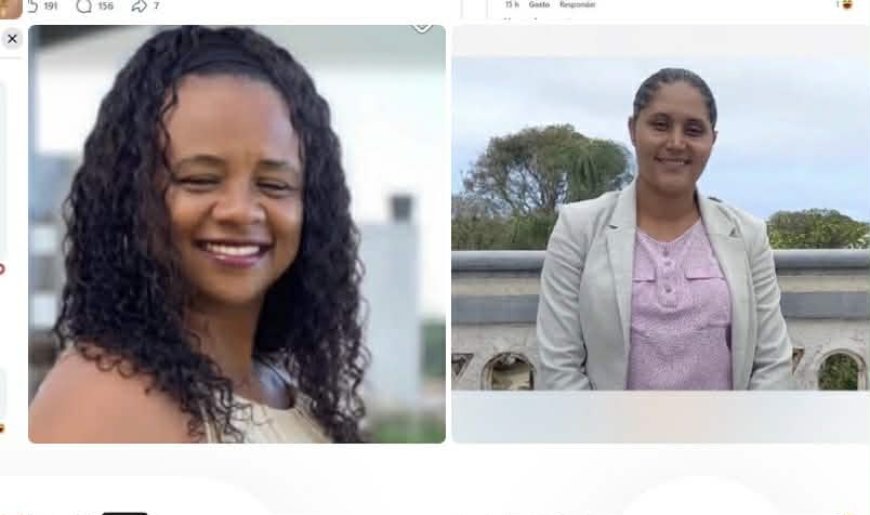
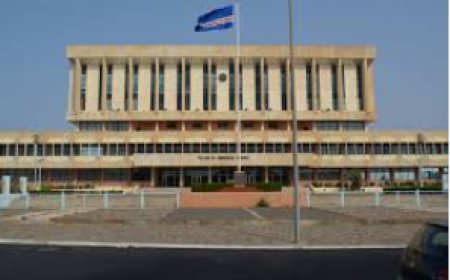
The political history of Brava Island has just undergone a turning point that is both a source of pride and a trial by fire. With the new parliamentary makeup, the island is now represented in the National Assembly by two women: Ivone Cardoso, of the Movement for Democracy (MpD), and Maria Antónia Alves, of the African Party for the Independence of Cape Verde (PAICV). This is an unprecedented achievement. Never before has Brava sent an all-female delegation to the main stage of Cape Verdean democratic debate. However, this historic milestone comes with a tremendous challenge: neither of them has prior experience in the national legislative arena.
Looking at this dual debut requires us to go beyond simply applauding gender representation. We must analyze the profiles, backgrounds, and circumstances that have brought these two representatives to the capital.
On one side of the chamber sits Ivone Cardoso (MpD). Although new to Parliament, Cardoso is far from a stranger to the intricacies of local government. Her track record in Brava is solid: she served as a councilwoman and currently leads the Municipal Assembly. This experience gives her an undeniable tactical advantage. Ivone knows the ins and outs of the administrative machinery, is fluent in the language of public management, and is accustomed to direct scrutiny by residents. Her transition to Praia will be that of someone seeking to scale up her local experience to a macro level, transforming the challenges faced in Brava into legislative proposals and budgetary priorities.
On the other hand, we find Maria Antónia Alves (PAICV), whose path to Parliament has been entirely different. A teacher by training, with no history in city council work or active party politics in public office, Maria Antónia enters the National Assembly to replace Clóvis Isildo Silva—who left the Brava constituency to take on the portfolio of Minister of Justice, President of the Council of Ministers, Parliamentary Affairs, and Media.
Maria Antónia’s entry is a classic baptism by fire. Replacing a deputy who has moved directly to the heart of the government raises the bar. The new PAICV deputy brings with her the sensitivity of someone who lives the reality of education and the pulse of grassroots civil society, free from the vices or automatisms of “old-school politics.” Her lack of institutional party experience may be seen as a weakness by skeptics, but it is, in fact, a blank slate full of potential for a fresher and more empathetic approach to the island’s problems.
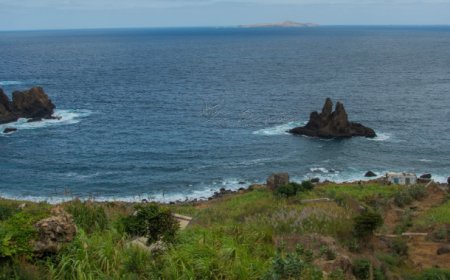
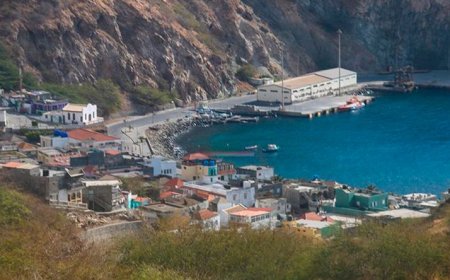
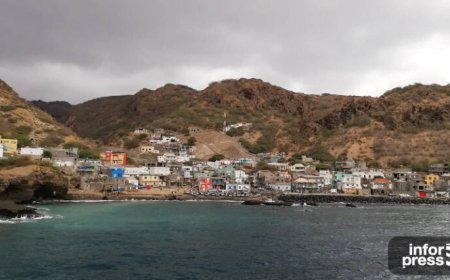
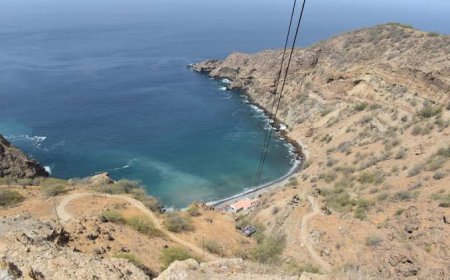
Brava is an island with acute challenges. Isolation, transportation, retaining talent, and the urgent need for economic revitalization are daily struggles for its population. In Parliament, Brava’s voice is always at risk of being drowned out by the demographic and economic dynamics of larger regions such as Santiago or São Vicente.
Therefore, the challenge facing Ivone Cardoso and Maria Antónia Alves is not merely to learn the rules of parliamentary procedure or legislative technique. The real challenge will be to engage in grassroots politics from afar. They will have to be able to put Brava on the national agenda, regardless of the constraints of their respective parties’ voting discipline.
The success of this legislative duo will not be measured by the number of times their party leaders applaud them, but rather by their ability to join forces—even from opposing sides—when the issue is the well-being of Brava’s residents.
Ivone and Maria Antónia’s debut is a sign of the times. It shows that Cape Verde is gradually moving toward a more inclusive political landscape, where women do not merely fill quotas but take on the full leadership of entire electoral districts.
Their initial lack of parliamentary experience is a fact, but not a condemnation of incompetence. All the great figures of our democracy once had their “first day.” What Brava and the country expect from these two representatives is courage, the ability to learn quickly, and, above all, unwavering loyalty to the land that elected them. Brava has written a beautiful chapter in the history of its representation; it is now up to Ivone and Maria Antónia to ensure that the content of that chapter is as rich as the symbolism of the moment.