









The silent influence and the borrowed voice, an analysis of João José Delgado's role in Francisco Tavares' political strategy
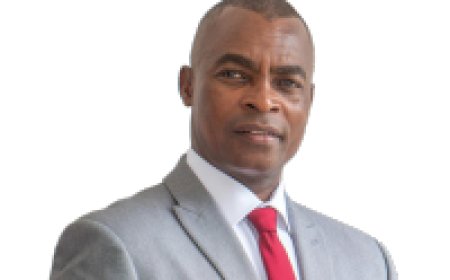
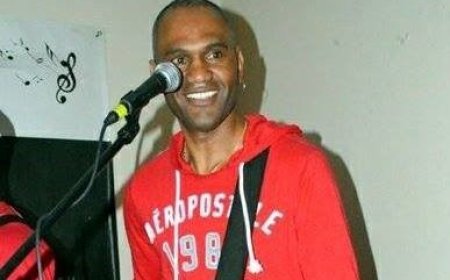
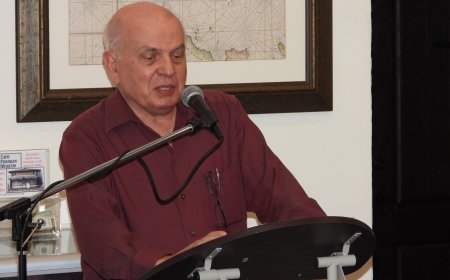
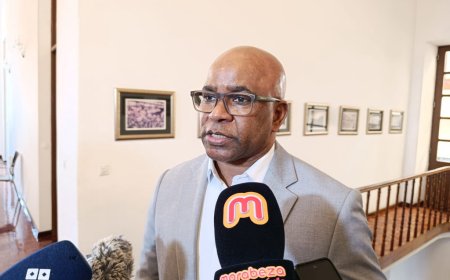
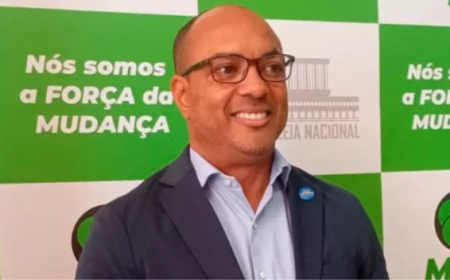
Local politics on the island of Brava has been experiencing moments of strong internal tension, especially within the Movement for Democracy (MpD). One of the situations that has attracted the most attention - and concern - is the political relationship between the former mayor of Brava, Francisco Tavares, and municipal deputy João José Delgado. According to various local sources, Delgado has been acting as a kind of unofficial spokesman for the former mayor, in a strategy that has generated deep discomfort within the party's structures.
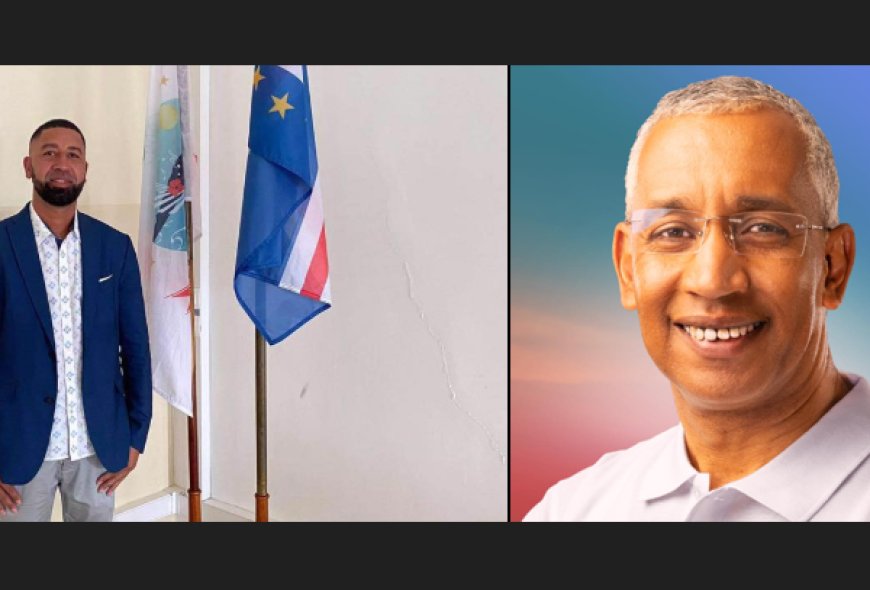
(...) The expression used by several members of the MpD - "automatic throat" - reflects the perception that João José Delgado has been the preferred channel through which Francisco Tavares continues to intervene in the municipal political debate, despite the fact that he no longer holds a position in the executive and avoids expressing himself publicly on social networks.
With no seat in the Municipal Assembly - as he was a candidate to succeed him as Mayor of the CMB - Tavares nevertheless maintains an active presence on the political scene through the voice of Delgado, who, as a municipal deputy and activist, has taken various positions that, according to inside sources, faithfully reproduce the former mayor's thoughts, criticisms and arguments.
This dynamic has not gone unnoticed by the MpD's local and national leaders, who see in the behavior of both a political risk and an obstacle to rebuilding internal consensus.
The joint actions of Tavares and Delgado have caused a wave of discomfort within the MpD in Brava. Local leaders and influential party members allege that Delgado's public interventions reflect the former president's personal agenda more than the party's guiding line and Tavares' constant interference has made it difficult to redefine internal strategies after the conflicts and controversies that marked the end of his term.
The behavior of both has been seen as damaging to the electoral aspirations and public image of the MpD, already weakened by accusations and investigations into the previous municipal administration.
Some leaders have even classified this alliance as a "permanent internal noise", which prevents the party from reorganizing itself, appeasing tensions and rebuilding a more solid relationship with the electorate.
Faced with the climate of internal saturation, sources linked to the MpD admit that the possibility of going ahead with disciplinary proceedings against João José Delgado - and, indirectly, Francisco Tavares - is on the table if the behavior continues.
Although disciplinary sanctions are rarely used in the MpD, the party does not rule out measures such as a formal warning, temporary suspension and even disqualification from participating in lists or internal structures.
The central argument is that both, by insisting on this type of action, would be "putting personal interests above the interests of the party" and fueling public conflicts that undermine the strategy for the next elections.
In any case, the tactic has generated tension and is far from a consensus among the MpD's own militants.
The risks for the Movement for Democracy on Brava are obvious, ranging from internal fragmentation - the divisions created by this alignment could hinder the MpD's internal renewal, image erosion - the perception that there is interference and personal agendas weakens the electorate's confidence and difficulty in presenting a cohesive project for the island's future, especially in a context where challenges such as water, infrastructure and development require clear solutions and political mobilization. The political relationship between Francisco Tavares and João José Delgado has become one of the most controversial elements of Brava's current political landscape. The former president's indirect influence, coupled with the municipal deputy's public exposure, has created a scenario of continuous friction within the MpD - a party that, after years of turbulence, is looking for stability and a unified narrative.
If nothing changes, the internal dispute could become not just a party conflict, but a bigger problem for the local democratic process itself, at a time when Bravenses expect more transparency, accountability and leadership.