


















Cape Verdean community alerted to dangers of false religious promises and easy money schemes
Pawtucket, November 18, 2025 (Bravanews) - The Cape Verdean community in the diaspora is facing a growing challenge related to the proliferation of false promises made in the name of religious faith and supposed financial investments that advertise quick, high and risk-free profits. Situations of this kind have generated concern among community and religious leaders and experts, who warn of the dangers of blindly believing people who use God's name to promise miraculous cures, as well as easy money schemes linked to cryptocurrencies and other dubious investment models.
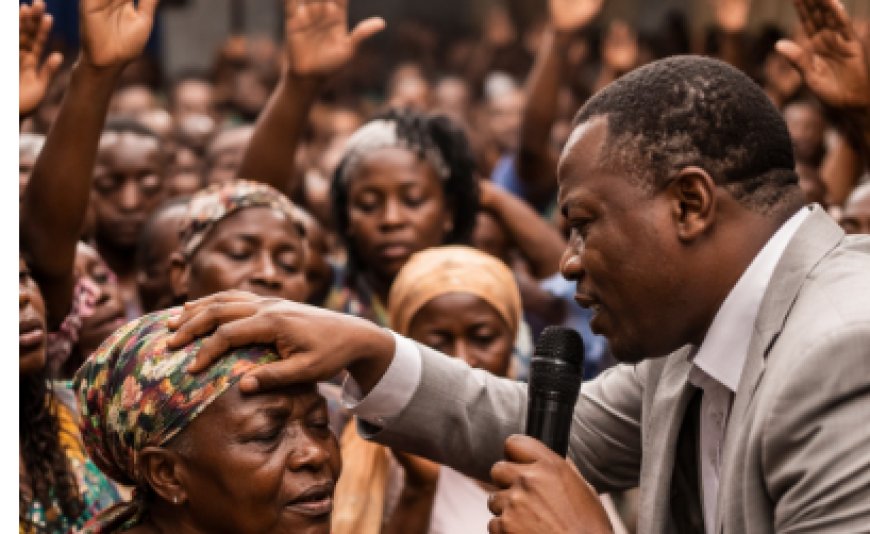
In recent years, reports have multiplied of individuals presenting themselves as "men or women of God", "prophets", "pastors" or "healers", claiming to possess special gifts capable of curing serious illnesses, solving incurable health problems, freeing people from spiritual ailments and even transforming the financial lives of the faithful. In many cases, these promises are accompanied by requests for money, obligatory offerings, large donations or regular contributions, made as a condition for the supposed miracle to happen.
For many families, deeply attached to faith and spirituality, these messages find fertile ground, especially at times of emotional fragility, illness, unemployment or financial difficulties. Experts warn that it is precisely in these situations of vulnerability that the greatest risks of manipulation arise. When promises don't materialize, the result is almost always the same: frustration, psychological distress, debt and loss of hope.
Serious and recognized religious leaders within the community have been condemning these practices, stressing that faith cannot be turned into a business. "God doesn't charge to heal anyone, and true faith isn't measured by the amount of money handed over," they say, defending a responsible spirituality based on discernment, solidarity and respect for human dignity.
Alongside this phenomenon, concern is also growing about get-rich-quick schemes, especially those involving investments in cryptocurrencies, digital platforms, online businesses and systems that promise high percentages of monthly or weekly returns. Many of these proposals are disseminated on social networks, in groups or through word of mouth within the community itself, often presented by people they know, which increases the level of trust and reduces the critical spirit of the victims.
Financial experts warn that there are no legitimate investments that guarantee high, fixed and risk-free profits. When someone promises extraordinary returns in a short space of time, the alarm bells should go off immediately. In many cases, these are fraudulent schemes or pyramid-type models, where the initial gains of a few are paid for with the money of new investors, until the system collapses, leaving huge losses.
There are already reports of Cape Verdeans in the diaspora who have lost their life savings, money intended to build a house, pay for their children's studies or guarantee a peaceful old age. Many victims feel ashamed to report it, especially when the scam involves family members, friends or respected members of the community, which ends up allowing these practices to continue making new victims.
Community associations and social leaders argue that prevention involves information, financial education and the promotion of critical thinking. They also call on the competent authorities to step up monitoring and investigation of fraudulent practices, as well as the community to report suspicious situations and protect the most vulnerable, especially the elderly and people with low levels of financial literacy.
The message is clear and urgent: faith must not be used as an instrument of exploitation, and easy money is often just an illusion that hides high risks. Protecting the Cape Verdean community requires unity, open dialogue, collective responsibility and the courage to question promises that seem too good to be true, but which can be costly in human, social and economic terms.