





















Brava: A new, more efficient, economical and humane waste collection system is needed
Cidade de Nova Sintra, December 26, 2025 (Bravanews) - Urban solid waste management on the island of Brava is once again at the center of public debate, as the municipality publishes a new waste collection schedule. On a small island with limited financial resources and major logistical challenges, it is becoming increasingly clear that the current waste collection model is exhausted, costly and poorly adapted to the local reality. Against this backdrop, the conviction is growing that Brava urgently needs to adopt a new waste collection system that is more modern, cheaper and more in tune with the times.
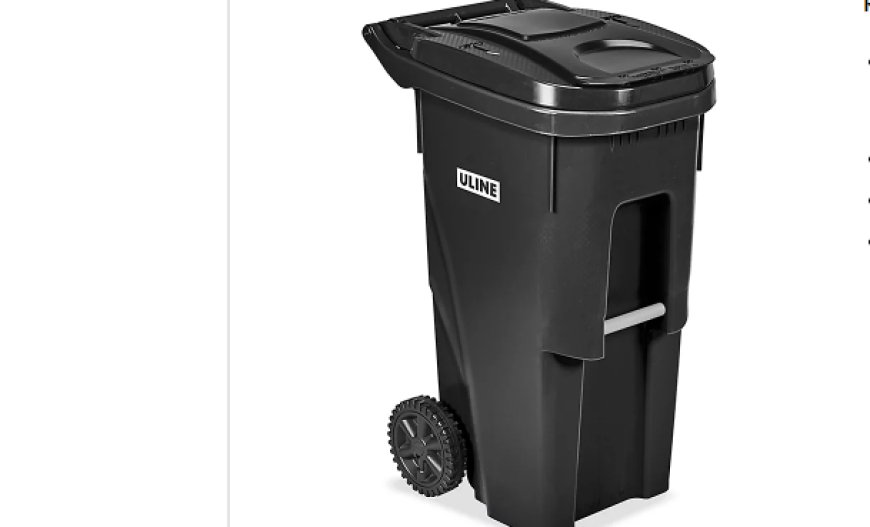
One of the proposals gaining momentum is the introduction of small, individualized containers per house, gradually replacing the large collective containers scattered around neighborhoods and residential areas. This model, already successfully applied on several islands and in small municipalities, could represent a real turning point in the way Brava deals with its waste.
The current system forces garbage trucks to travel long distances, often to collect small amounts of waste concentrated in large, poorly distributed and often overloaded containers. This results in higher fuel consumption, accelerated vehicle wear and high maintenance costs - a significant burden on the municipal budget.
With small, individualized containers, collection can be more rational and planned, with well-defined routes, fixed times and days and predictable volumes. The truck collects only what is necessary, reducing unnecessary journeys and enabling smarter fleet management. In practice, this translates into lower fuel costs, fewer breakdowns and longer vehicle life.
Another critical point is the administration of the vehicles and the collection team. Today, the workers face exhausting working hours, collecting waste in difficult conditions, often dealing with overloaded containers, garbage strewn on the ground and constant complaints from the population.
A system based on domestic containers reduces the physical and psychological stress on workers, as the volume per collection is smaller, the waste is better conditioned and the work becomes more predictable. This improves working conditions, reduces sick leave and increases staff motivation, which is directly reflected in the quality of the service provided.
The individualization of bins also introduces a fundamental element: the responsibility of residents. Each family becomes more aware of the amount of waste they produce, encouraging practices such as waste reduction, basic separation and even home composting whenever possible.
In addition, many of the problems associated with collective bins disappear, such as garbage deposited out of hours, waste scattered by animals or passers-by and conflicts between neighbors over the cleanliness of common spaces.
Brava, due to its size and social characteristics, cannot blindly copy models designed for large cities. It needs solutions adapted to its scale, its financial reality and its geography. A simpler, decentralized and well-managed collection system could be the key to turning a chronic problem into an efficient and sustainable service.
More than an environmental issue, it's a question of public management, labor dignity and quality of life for the people of Brava. A new waste collection system is not a luxury: it's a necessity, and the sooner it's thought out and implemented, the lower the costs - financial and social - for the island.
Brava has the conditions to do better. What is lacking now is strategic vision, the courage to change and the political will to put simple and effective solutions at the service of the population.