




















Bravenses question management and whereabouts of book "Brava, Ilha dos Encantos" launched in 2024
Nova Sintra City, January 3, 2026 (Bravanews) - Some Bravenses living in the United States of America and others living on the island of Brava have publicly expressed concerns and questions about the book "Brava, Ilha dos Encantos" (Brava, Island of Enchantment), launched in June 2024, the production of which was financed by the Brava City Council, then led by Mayor Francisco Tavares.
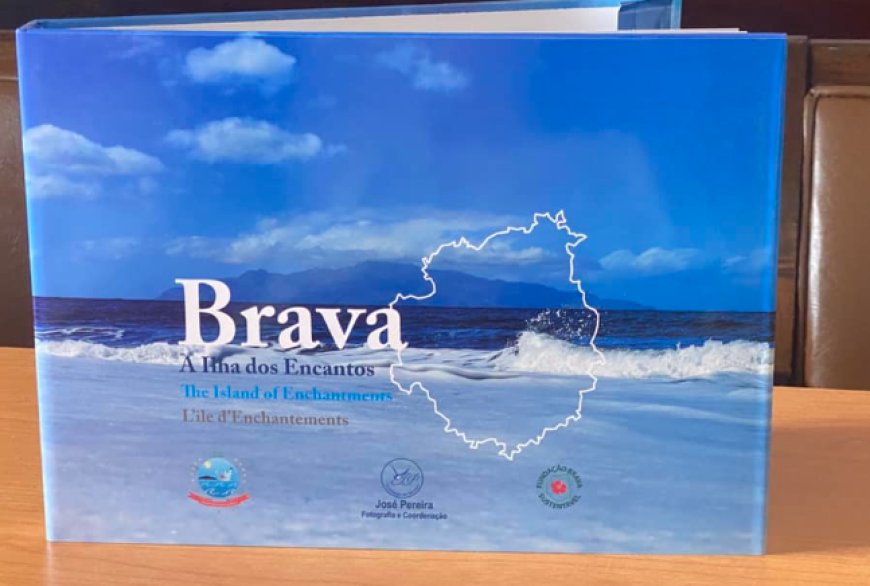
According to reports, residents want concrete clarification on various aspects of the work, namely the total number of copies published, how many books were actually sold, the amount of money raised from these sales, the whereabouts of the money raised and the quantity of books still in stock.
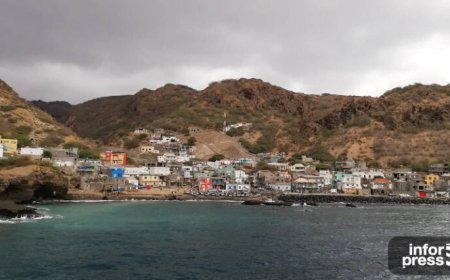
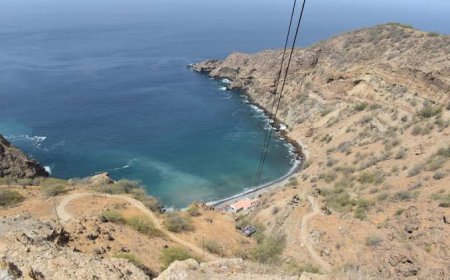
The book, which is promotional and cultural in nature, was designed by photographer Zé Pereira and funded by the Bravense council, i.e. public money. The work was presented as an enhancement of the image of the island of Brava, its landscapes, identity and heritage, and was well received by the community at the time of its launch.
However, the controversy arose above all in relation to the sale of some copies in the United States, where, according to information provided by members of the diaspora, the books were sold at a unit price of 40 US dollars. These sales, according to the same sources, were made directly by the then mayor, with the amounts received in cash.
Listeners question why there are no known public records of these transactions, nor any clear information about how the money entered the municipal coffers. For many, since this is a product financed with public funds, its marketing should comply with criteria of transparency, accountability and financial control.
Contacted about the matter, the current Brava City Council, now led by mayor Amândio Brito, reportedly said that it was unaware of the whereabouts of the money from the sales, as well as having no concrete data on the number of books still in existence. This situation has increased discomfort and concern among citizens, both on the island and in the diaspora.
Voices from civil society argue that the case requires public clarification, either through a detailed financial report or an internal audit, in order to dispel doubts and preserve the credibility of the municipal institution. For these citizens, transparency is not only a legal obligation, but also a moral duty towards the population.