





















Brava: The disastrous difficulty in establishing budgetary priorities and the clear abandonment of productive sectors
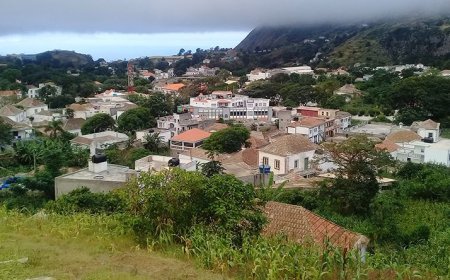
Cidade de Nova Sintra June 4, 2026 (Bravanews) - The debate surrounding the management of public funds and the definition of priorities by national and municipal authorities has taken on a new dimension. Local analysts, economic operators and representatives of civil society have expressed growing concern at what they consider to be a glaring imbalance between investment in recreational events and financial support for the pillars of the local economy, namely agriculture, fishing and livestock farming. The protest has escalated following successive outbursts from local producers, who are facing serious operational difficulties due to the lack of basic infrastructure and essential resources, such as water for irrigation and ice for preserving fish. For many critics of the current line of government, the scenario of hardship experienced by those who work the land or the sea contrasts sharply with the amount of capital channelled into organizing festivals, municipal celebrations, institutional trips and urban regeneration works of an essentially aesthetic nature.
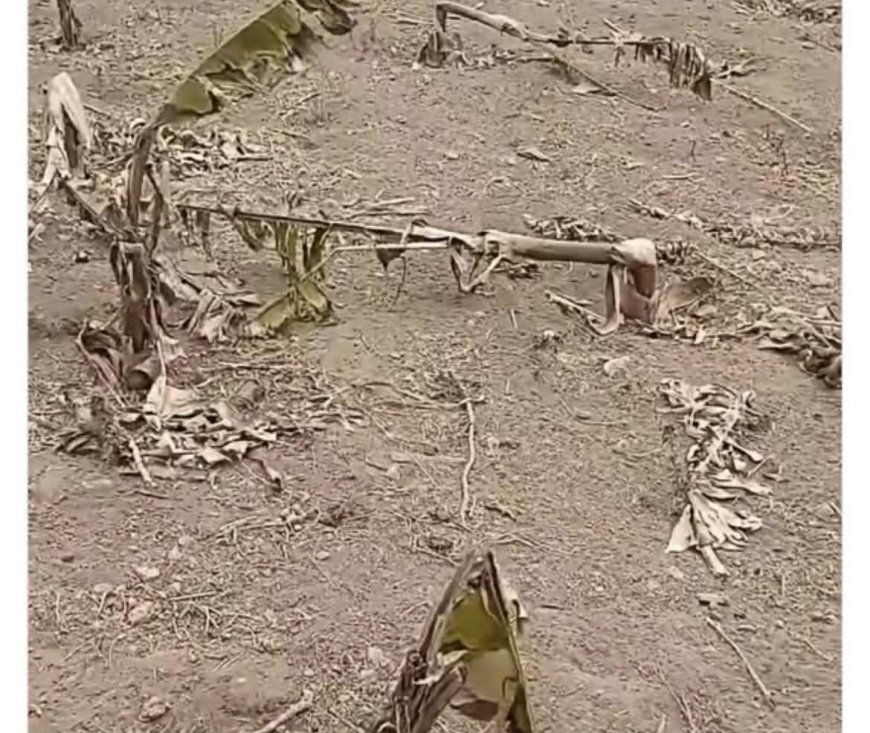
The most critical sectors point out that the political choice to favor the superfluous over the essential jeopardizes the island's economic sustainability and the retention of the young population in rural areas. It is argued that while the livestock and agriculture sub-sectors struggle with the lack of modern incentives and effective distribution networks, public budgets continue to accommodate significant sums to cover entertainment agendas. There is a current of opinion that argues that we are witnessing massive investment in short-lived cosmetic activities, while the sectors that guarantee food security and lasting employment languish for lack of strategic vision. According to the protesters, this policy of centralizing resources in festive events creates a temporary illusion of economic dynamism, but fails to create the structural bases necessary for fishermen and farmers to compete on the national market or to withstand consecutive climate crises.
The complaints emanating from the countryside and fishing areas coincide in the diagnosis that there is a lack of an integrated policy to safeguard the primary sector. In the case of fishing, the complaints are often related to the lack of functional cold storage complexes and modern fleets that allow catches to go further. In agriculture and livestock farming, the lack of subsidies for desalinating water or buying feed at controlled prices exacerbates the vulnerability of livestock farmers. The perception shared by several operators is that there is a clear difficulty on the part of political decision-makers in prioritizing the real needs of communities. It is openly argued that the money currently spent on rallies, travel and superfluous decorations should be urgently converted into emergency funds and technological modernization for grassroots producers.
The widespread discontent takes on even more serious contours when analyzed from the perspective of youth unemployment and the rural exodus. With no prospects of profitability in traditional activities due to the high cost of production and the lack of water, many young people end up leaving the interior of the islands, contributing to depopulation and external dependence on basic food products. So far, the municipal authorities have defended their budgetary choices with the argument that cultural dynamization and festivals attract tourism and generate important indirect income for local commerce and restaurants. However, social pressure is growing to demand greater transparency and a social audit of the municipality's financial priorities, demanding that the next investment plans place wealth production and water sustainability at the top of the region's political priorities.
MS