






























Enacol dismisses risk of fuel rupture and denies direct exposure to conflict in Iran
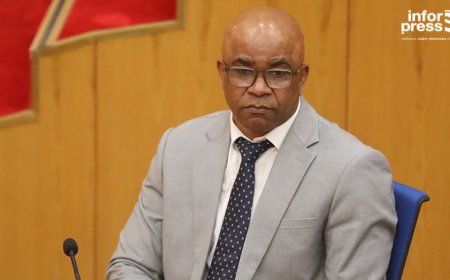
The general manager of oil company Enacol, Luís Flores, assured today that fuel supplies in Cape Verde are guaranteed and that the country has no direct exposure to instability in Iran.
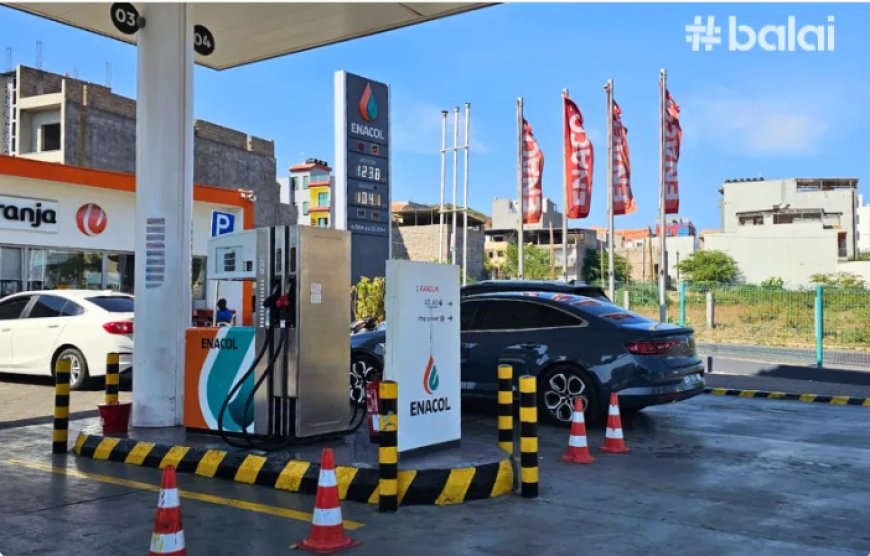
In statements to Inforpress, the head of Enacol - one of the two main distributors in the archipelago - assured that stock levels "are on the rise" and that service stations are properly supplied, ruling out "any immediate cause for concern".
"In terms of the country's supply, there is currently no cause for concern, absolutely none," he assured.
Luís Flores explained that Cape Verde does not import crude oil or refined products from the Middle East, and that the national market is essentially supplied by refineries on the west coast of Africa and in Western Europe.
"We receive gasoline, which is a very important part of the country's economy.
"We recently received diesel and the gas spheres are relatively well stocked. Supplies are planned two months in advance," said the director-general, confirming that the next shipments to the country are already scheduled for the end of March and the month of April.
However, the director-general said that the next shipments to the country are already scheduled for the end of March and the month of April.
However, he admitted that the country could suffer indirect impacts if the conflict in the Middle East continues, namely through the volatility of oil prices on the international market, which ends up dictating domestic tariffs.
As for the sharp rise in natural gas prices (over 30%), which is affecting markets such as Europe, China and Russia, Luís Flores explained that Cape Verde remains "immune", since domestic and industrial consumption in the archipelago is of butane gas and not natural gas.
Enacol's management also said that it maintains regular contact with the Ministry of Industry, Trade and Energy, as well as the Multisectoral Regulatory Agency for the Economy (ARME), to jointly monitor the national energy situation.
Inforpress