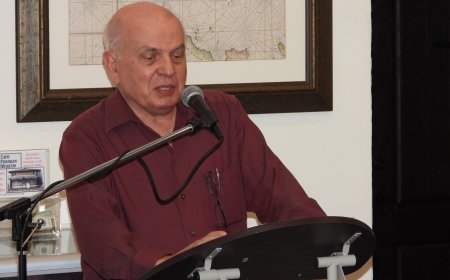














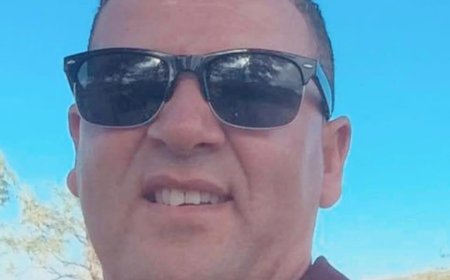

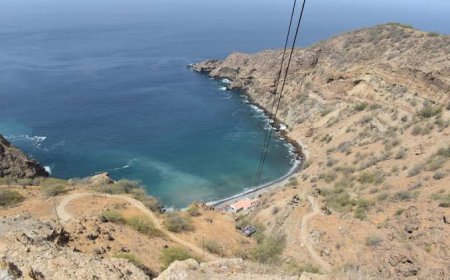


Helder Macedo Varela denounces 50 years of abandonment of Ilha Brava
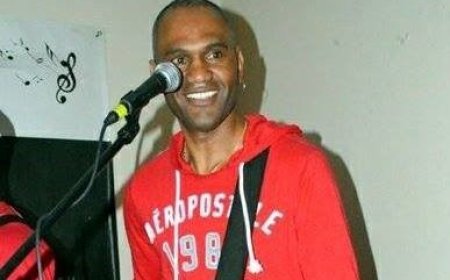
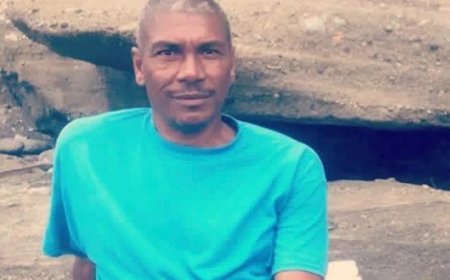
City of Pawtucket, April 18, 2026 (Bravanews) - "Brava can no longer be remembered only in speeches or during election campaigns," says Varela in a vibrant appeal that echoes the sentiment of a diaspora and a people who feel forgotten by central power.

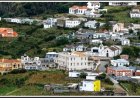
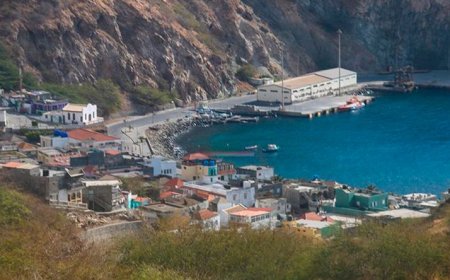
In a post on social media that mixes the typical melancholy of the "morabi island" with a necessary political forcefulness, Helder Macedo Varela has broken his silence to expose the open wounds of one of Cape Verde's most emblematic islands. For Varela, talking about Brava today is not just an exercise in nostalgia or sharing "saudade" with friends who hold the archipelago close to their hearts; it is an act of denunciation.
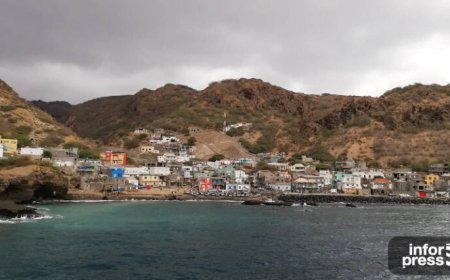
The focus of his indignation is the painful contrast between the island's potential and the reality experienced by its inhabitants. Marking the 50th anniversary of the country's independence, Varela questions why Brava continues to be immersed in a scenario of isolation that seems crystallized in time.
Varela's criticism is direct and hits at the fundamental pillars of social and economic development. According to him, the island survives in heroic but lonely resistance, facing structural shortcomings that prevent any prospect of a future for the new generations, namely logistical isolation that is embodied in the lack of regular and efficient transportation, the "Achilles heel" that separates Brava from the rest of the country and the world, the health crisis one of the most sensitive points of the complaint, where the scarcity of resources and assistance jeopardizes the basic right to life and safety of the Bravenses.
Also, the lack of public investment, which translates into a lack of economic opportunities and a real investment plan to transform the island's potential into concrete development.
"It's a lack of respect for a people who have always resisted with dignity," stresses Varela, emphasizing that the resilience of the people of Djabraba should not be confused with conformism.
More than a personal outburst, Helder Macedo Varela's words come across as a political and social manifesto. The aim is clear: to break the bubble of institutional indifference. Varela appeals directly to Cape Verde's rulers, challenging the love they profess for their homeland.
"May this cry reach all our rulers," he writes, urging those in power to convert campaign rhetoric into "real action and commitment". For the author, the Brava deserves more than to be a footnote in the history of national development; it deserves a presence, it deserves infrastructure and, above all, it deserves a future that doesn't force its children to leave for lack of an alternative.
Varela's message ends with an implicit warning: the time for patience is running out. The celebration of Cape Verde's half-century of freedom serves as a mirror for a regional inequality that can no longer be ignored.
The "Island of Flowers", as it is affectionately known, doesn't just want to be beautiful in the poems of Eugénio Tavares; it wants to be viable, connected and respected. Helder Macedo Varela's cry is, in essence, the cry of all Bravenses who believe that their land is not just a "bit" of ground, but a vital and pulsating part of Cape Verdean identity.
MS