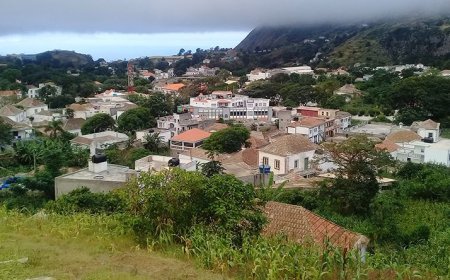
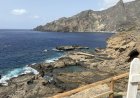
Although there is no exclusive document collection dedicated to Brava, several references to the island appear in official correspondence, administrative reports and ecclesiastical records, often associated with the neighboring Fogo, with which it had a strong historical and administrative connection.
Among the documents available, there are accounts of the settlement process, marked by difficulties such as the scarcity of water and geographical isolation. There are also records of periods of drought and famine that severely affected the population, leading local authorities to request support from the Portuguese Crown.
The archives also reveal the importance of the Church in the organization of Bravense society, through records of baptisms, marriages and deaths, which allow us to understand the demographic evolution of the island over the centuries.
Another relevant aspect present in the documents is emigration, already identified as a response to internal difficulties. From the 19th century onwards, there are also references to the presence of foreign ships, especially American whalers, showing the first signs of Brava's connection to the diaspora.
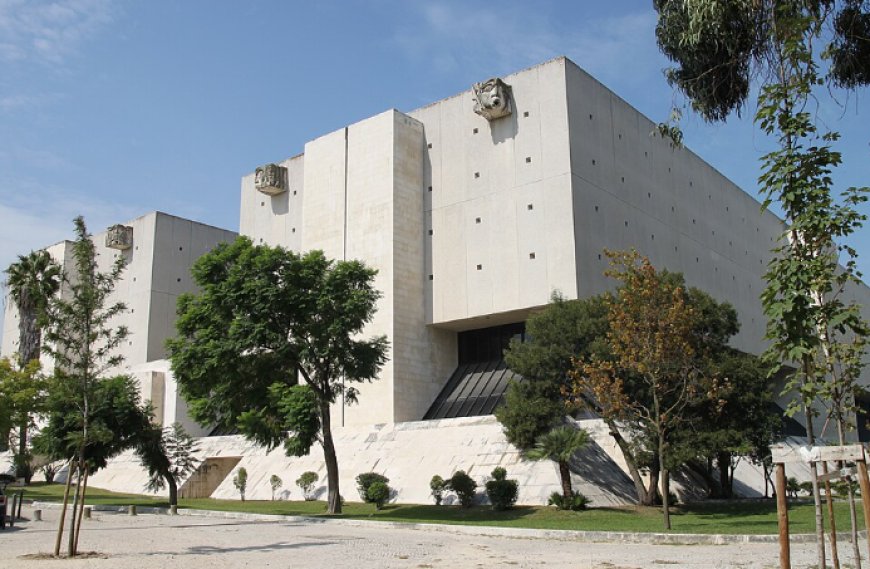
Experts consider that the documentation in the Torre do Tombo is a valuable source for studying the history of Brava Island, although it requires painstaking research, as the information is scattered across different collections and periods.
The preservation of these records remains fundamental to understanding the origins, challenges and identity of one of Cape Verde's most striking islands.