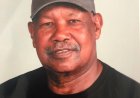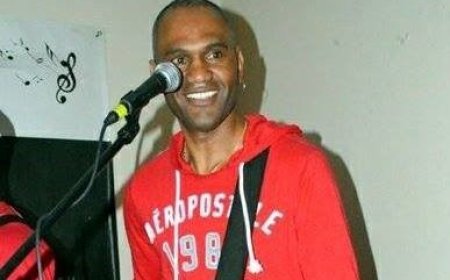
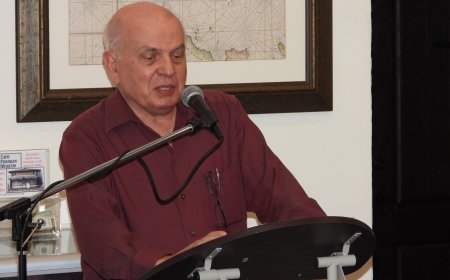



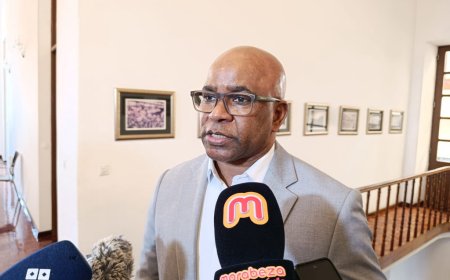


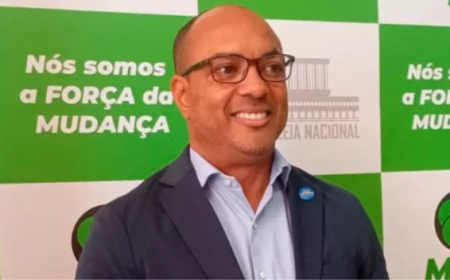

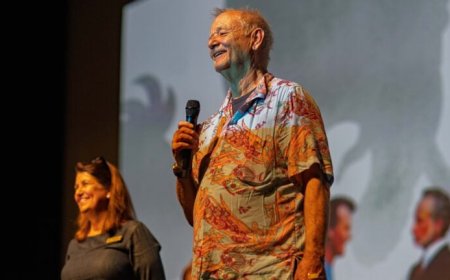



Samuel Varela said that Francisco Tavares heads a gang and has become the head of a criminal organization
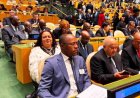
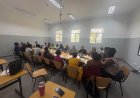
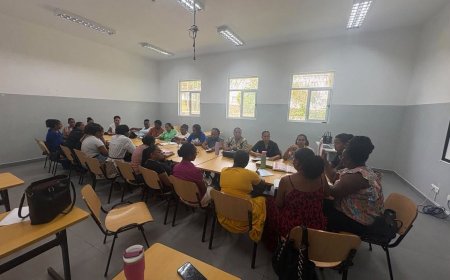
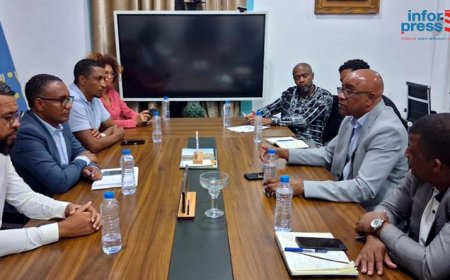
Cidade de Nova Sintra, May 15, 2026 (Bravanews) - The political scene on the island of Brava was recently shaken by statements that went beyond the usual limits of parliamentary debate, entering directly into the terrain of criminal accusations and the crisis of institutional trust. During the most recent session of the Municipal Assembly, municipal deputy Samuel Varela, a member of the Movement for Democracy (MpD), made extremely serious accusations against the former mayor of Brava, Francisco Tavares, in a speech that quickly became the main topic of political discussion on the island.
More than a simple political confrontation between members of the same party structure, the episode exposes internal fissures in the ruling party, raises doubts about the transparency of local public management and places Bravense society before a profound debate on ethics, responsibility and the credibility of democratic institutions.
Samuel Varela's intervention was not limited to administrative criticism or challenging political decisions taken during Francisco Tavares' term in office. The MP went far beyond this by using expressions such as "gang leader" and "head of a criminal organization", suggesting that the management of Brava Town Hall had operated for years outside the principles of legality and good governance.
According to Varela, the municipality has been the target of an alleged network of favoritism and practices that harm the public interest, in a speech that left the plenary in shock and generated strong repercussions among the island's citizens.
The accusations include alleged mismanagement of public funds, with suspicions of misuse of municipal resources; alleged personal and political favoritism in the city council administration, accusations of nepotism and personalized management of the municipality and the alleged existence of a network of complicity involving other figures linked to the municipal apparatus.
By claiming that Francisco Tavares ran City Hall as if it were his "backyard", Samuel Varela insinuated that the boundaries between the public interest and private interests had been systematically ignored.
In a healthy democracy, accusations of this magnitude cannot be seen merely as political rhetoric. They require public clarification, institutional investigation and, above all, responsibility on the part of all those involved.
The most intriguing element of this whole affair is perhaps not just the accusations themselves, but the silence that has followed the statements. More than two weeks on from the Municipal Assembly session, there is still no formal, clear and objective response from the main protagonists in the case.
For a former mayor publicly accused of leading an alleged "criminal organization", the absence of a public reaction is strange. In similar contexts, it is usual for political figures to immediately go to court to defend their honor and reputation, especially in the face of accusations that could amount to defamation or slander.
Francisco Tavares' silence leaves room for multiple political and social interpretations. It could be a deliberate strategy to avoid fueling the conflict, it could represent confidence that the accusations will have no concrete consequences or it could indicate internal difficulties in building a solid political response.
Regardless of the motivation, the absence of clarification contributes to increasing speculation and public distrust.
The situation is made even more sensitive by the fact that the accuser and the accused belong to the same political party. The MpD is now faced with a political dilemma of enormous complexity.
If the party validates or implicitly supports Samuel Varela's statements, it will be admitting that one of its own cadres ran the municipality criminally for five years.
On the other hand, if the party chooses to defend Francisco Tavares, it will be under pressure to take disciplinary action against Varela for accusations considered unfounded or damaging to the organization's internal image.
So far, the silence of the MpD's local and national leadership has been interpreted by many observers as a sign of internal division, political discomfort and an attempt to contain the damage. The absence of an official position feeds the perception that there is a latent crisis within the party structure in Brava.
The Brava population is following the unfolding of this case with growing concern. In small communities like the island of Brava, municipal politics is particularly close to the daily lives of citizens. Trust in local institutions depends heavily on the credibility of their leaders.
When such serious accusations are thrown at the municipality's main decision-making body without immediate consequences, a climate of uncertainty and institutional wear and tear sets in.
Even more serious is the risk of trivializing extreme political discourse. If accusations of "criminal organization" are used only as a weapon for partisan combat, the democratic debate loses seriousness and becomes a space for personal and institutional destruction.
In a state governed by the rule of law, public accusations of this nature shouldn't remain only in the political sphere, and they haven't, since Tavares is being investigated and the case remains a secret. If there are concrete indications of illegalities, it's up to the competent authorities to find out who is responsible.
The Public Prosecutor's Office may once again act ex officio in the face of these statements made in an official body such as the Municipal Assembly. Likewise, Francisco Tavares could go to court if he considers that he has been the target of false accusations and an attack on his honor.
Samuel Varela could be accused of political irresponsibility if he doesn't provide concrete proof of his claims. Francisco Tavares will remain under public suspicion until he responds directly to the accusations. And the MpD risks suffering a deep erosion of its image in the eyes of the Bravense electorate.
Brava is today facing a politically decisive moment. Regardless of party sympathies, citizens have the right to know the truth about the management of public resources and the functioning of their institutions.
Transparency cannot just be an election slogan. It must translate into accountability, effective oversight and political responsibility.
If the accusations are true, we are facing one of the most serious episodes in the island's recent political history. If they are false, then the country is witnessing a worrying example of the degradation of political discourse and the instrumentalization of democratic institutions.
In either scenario, one conclusion seems inevitable: silence is no longer enough. Brava demands answers, clarification and responsibility. Because public trust, once shaken, can hardly be rebuilt without truth and transparency.
MS