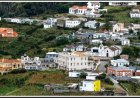






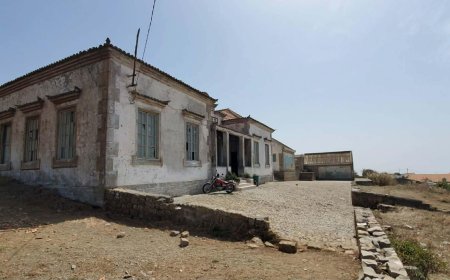









The drama of the abandoned houses that mark the landscape of the island of Brava
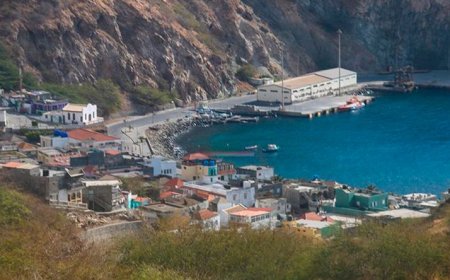
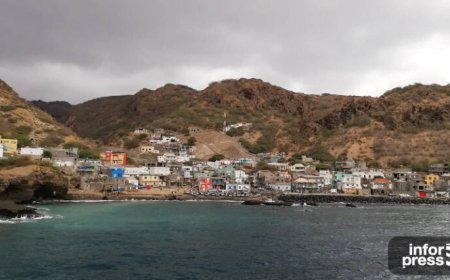
Nova Sintra City, May 31, 2026 (Bravanews) - The island of Brava, eternalized in literature and music as the "Island of Flowers" and the cradle of Cape Verdean nostalgia, today faces a silent challenge that visibly shapes its urban and rural landscape: the progressive abandonment of its built heritage. Dozens of properties, ranging from the emblematic and historic sobrados of colonial architecture to small single-family homes, are currently in a state of severe disrepair, falling apart under the influence of time, the climate and, above all, the absence of their owners, most of whom are part of the vast Bravense diaspora.
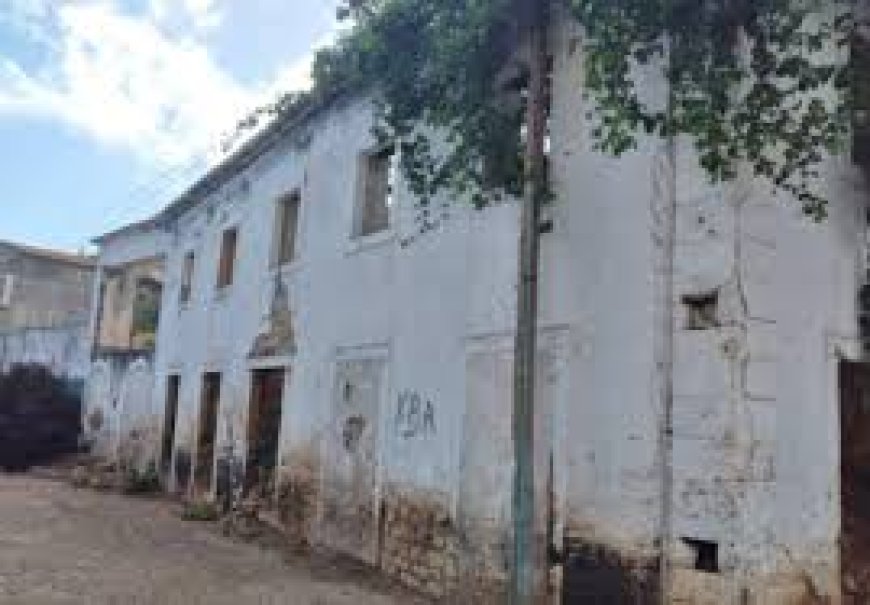
This phenomenon, which impacts both the aesthetic appeal of the localities and public safety itself, is a direct reflection of decades of intense migratory flows, especially towards the United States of America and Europe. By leaving the island in search of new opportunities, consecutive generations of Bravenses have maintained the link with their homeland by acquiring or maintaining real estate. However, geographical distance and the passage of time have transformed many of these dwellings into veritable "monuments to abandonment", visible in the streets of Nova Sintra, Nossa Senhora do Monte, Lem, Mato Grande, Furna and other outlying settlements.
At the heart of this problem are emotional factors and complex legal obstacles that make it impossible to recover or reuse these structures. On the one hand, there is a strong psychological and sentimental barrier. For many emigrants, the house on the Brava represents the strongest physical link to their roots, childhood memories and the promise, often postponed, of an eventual return to their homeland. There is a widespread feeling of attachment which means that the owners flatly refuse to sell or give away the property, preferring to keep it in the family sphere, even if it means watching its gradual ruin from a distance. The property is kept in the heart and in nostalgia, functioning as a symbol of identity that overrides economic logic or heritage conservation.
On the other hand, when the bond of ownership is passed on to subsequent generations, the scenario worsens with the complex labyrinth of shared inheritances. In many cases, the properties now belong to multiple heirs - children, grandchildren and nephews - scattered across different countries and continents, many of whom no longer have a direct emotional connection with the island of Brava. The lack of understanding and consensus between the co-heirs on what to do with the properties appears to be the main obstacle to their rehabilitation. Without unanimous agreement on whether the house should be sold, rented out, donated or restored, the process is at an indefinite legal and practical standstill, leaving the buildings at the mercy of the weather.
The consequences of this widespread abandonment are felt at various levels in Bravense society. In addition to the irreparable loss of architectural and cultural value - particularly in the case of the sobrados, which constitute a unique identity mark of local history - the houses in ruins pose tangible risks to public health and the safety of residents. Walls in danger of collapsing, damaged ceilings and unstable structures threaten the physical integrity of those who circulate in the vicinity. In addition, these abandoned spaces end up encouraging the accumulation of garbage, stagnant water and the proliferation of pests, affecting the quality of life in the surrounding communities.
The challenge facing municipal authorities and Bravense civil society today is the urgent need to find mechanisms that can reconcile respect for property rights and the affective memory of the diaspora with the pressing need to revitalize the island's housing stock. Until public policies are developed to facilitate the mediation of inheritance disputes or incentives for rehabilitation aimed specifically at the emigrant community, Brava will continue to see part of its history and architectural charm fade away, wall by wall, under the weight of abandonment and nostalgia.
MS