















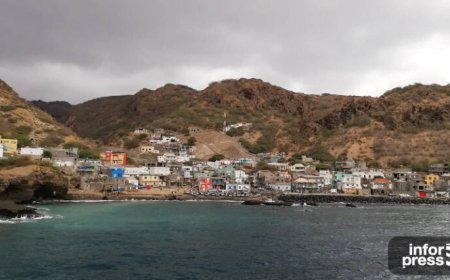
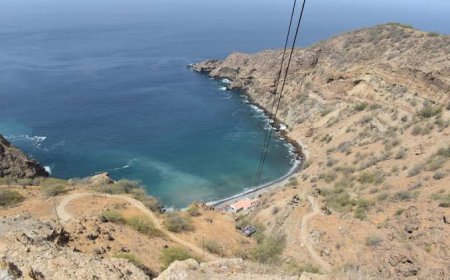


The nuances of emigration on Brava Island through the eyes of those who return.
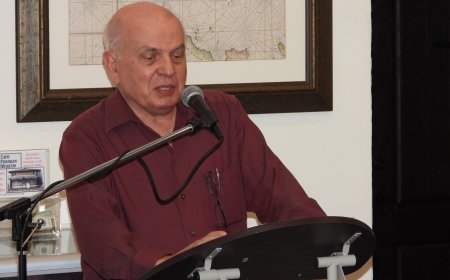
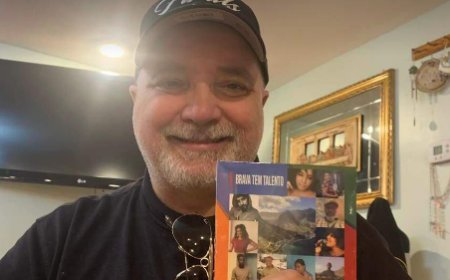
Nova Sintra City, July 2, 2026 (Bravanews) - The recent sharing by emigrant António Varela on social media, lamenting the state of abandonment of numerous homes on Brava Island while local families face a housing crisis, touches on one of the most complex aspects of Cape Verdean identity: the intricacies and contradictions of emigration. Varela's outburst, from a resident of the United States currently visiting his homeland, is not an isolated event, but rather a reflection of a sociological and economic phenomenon that has shaped Brava for over a century. To understand the depth of his appeal, it is necessary to analyze the various layers that make up the relationship between the diaspora and the island.
Emigration to Brava carries a profound duality. On the one hand, the financial remittances sent by emigrants were, and continue to be, the main source of income for many families and an essential pillar of the local economy. Historically, leaving for America or Europe was seen as the only way to achieve social advancement and guarantee a dignified future. Building a house on the island was the ultimate symbol of an emigrant's success, a physical testament to their triumph abroad and a planned safe haven for retirement or holidays.
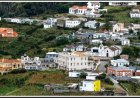
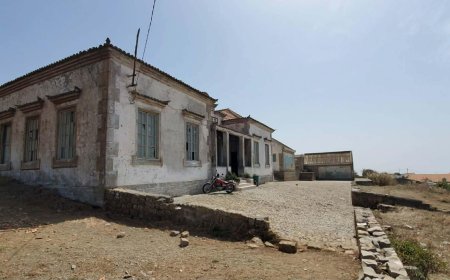
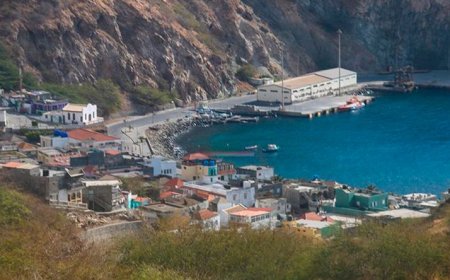
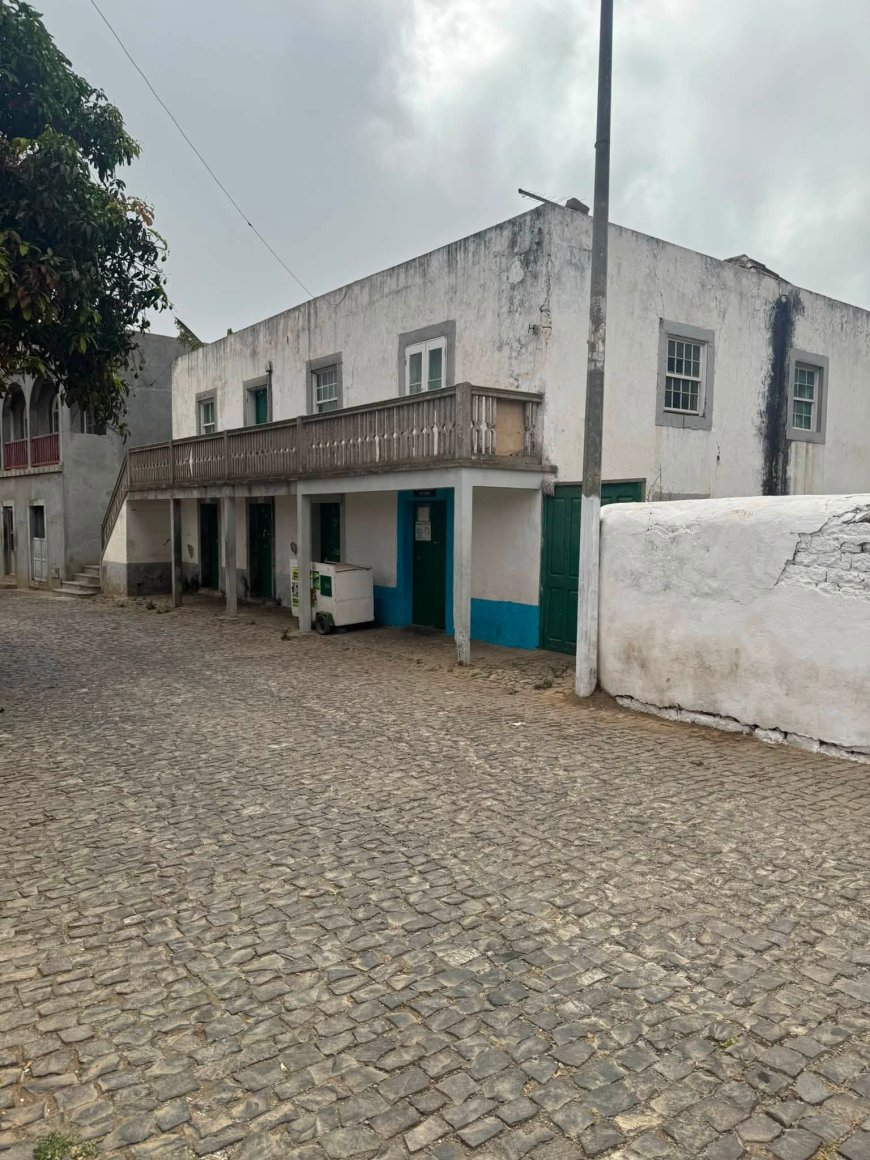
On the other hand, the passage of time reveals the reverse of this dynamic. As the decades advance—with Varela citing absences lasting between 30 and 100 years—the second and third generations of descendants born abroad inevitably lose the emotional connection and daily link with the island. What was once the dream of a father or grandfather becomes, for the heirs, a distant patrimony, difficult to manage legally and financially from a distance. The visible result of this distancing is the proliferation of historical buildings in an advanced state of decay, which give certain localities of Brava an image of abandonment and nostalgia.
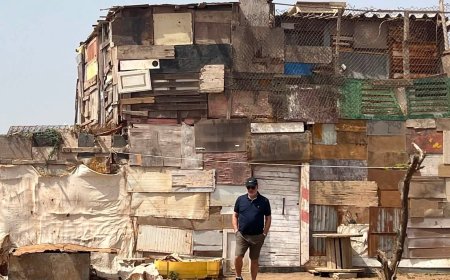
This reality directly clashes with the housing crisis affecting those who chose, or had to, remain on the island. The scarcity of decent and safe housing for the new generations of Brava residents creates a painful contrast: streets lined with imposing but locked and crumbling houses, while local families struggle to find shelter. António Varela's appeal for owners to sell, donate, or cede these houses for renovation touches precisely on this social urgency, suggesting that the diaspora's heritage should be reactivated as a solution for the present and future of the island, and not just as a monument to the past.
The debate sparked by this emigrant underscores the need to rethink housing policies and the relationship with the diaspora. Solving the problem of vacant buildings in Brava requires not only raising awareness among property owners abroad, but also the creation of legal mechanisms and tax incentives by local authorities to facilitate the rehabilitation, rental, or legal transition of these properties. The outcry echoing from Varela's publication reminds us that emigration, while guaranteeing economic survival, poses profound challenges to social cohesion and land-use planning that Brava urgently needs to address.
MS