













A young farmer on the island of Brava releases a video of his despair at the imminent loss of his crops due to lack of water
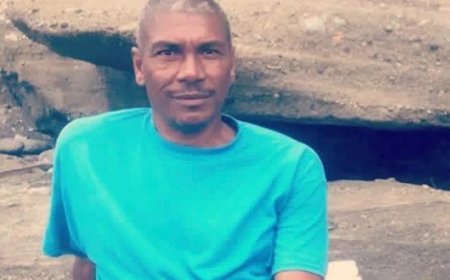
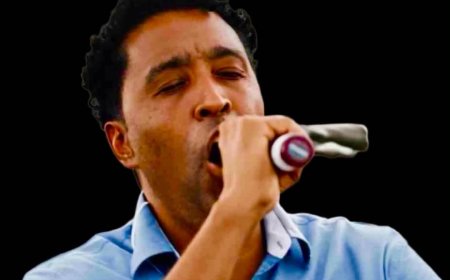
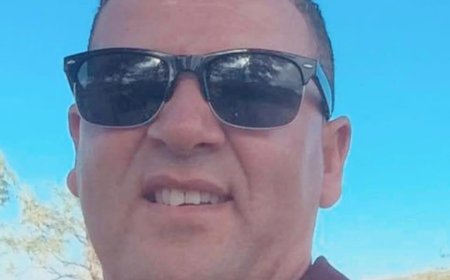
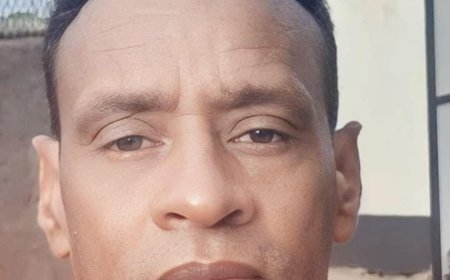
Nova Sintra, June 3, 2026 (Bravanews) - The agricultural sector on Ilha Brava is facing yet another episode of strong social protest and despair on the part of those who derive their livelihood from the land. In the last few hours, a video shared on social networks has begun to circulate intensely, igniting a deep debate about the management of water resources, the effectiveness of state support for the primary sector and the future of rural youth on the island. The protagonist of this emotional outburst is Gabriel Bernardino Correia, a young local farmer who decided to use digital platforms to expose the extremely serious situation his farm is in, which is in imminent danger of disappearing completely due to the lack of water for irrigation.

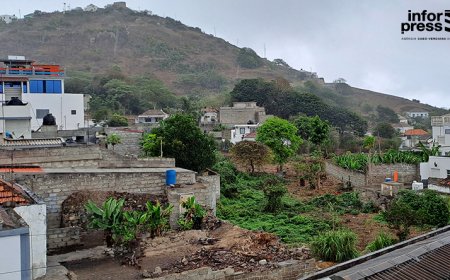
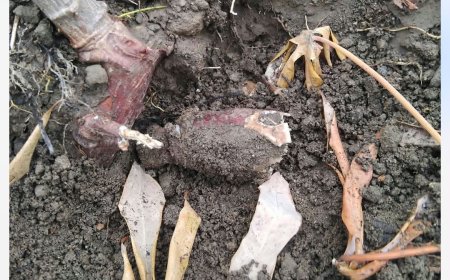
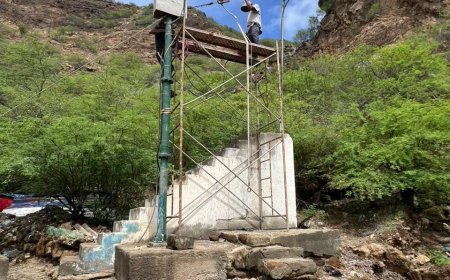
In the audiovisual recording, which quickly accumulated views, comments of solidarity and shares all over the archipelago and in the diaspora, Gabriel Correia shows in detail the current state of his banana crops. The images show weakened banana trees and parched land, highlighting a reality that is getting worse by the day. The young producer, visibly affected by the financial and emotional impact of seeing his investment and months of work dying of thirst, gives a blunt account of the isolation he feels, stating categorically that no one is helping him to solve this critical problem. According to his statements, attempts at dialog with the local authorities and those responsible for water management have been unsuccessful, leaving him at a dead end and not knowing who to turn to in order to save his production.
The main focus of the farmer's indignation is directed at the actions of the ÁguaBrava Company, the concessionaire responsible for the region's water supply. Gabriel Correia directly accuses the company of neglecting his case and showing a total lack of sensitivity to the urgency that agriculture requires, going so far as to say that the institution continues to play with his patience and his dignity as a worker. The bone of contention is the formal connection of the water network to his property. The young man explains that all the administrative procedures and formal requests have been made, but the company is slow to make the connection on the ground, a delay which, in the context of dryland farming and high temperatures, means the certain death of crops. For the farmer, this bureaucratic paralysis represents disrespect for citizens who are trying to create self-employment and contribute to the island's food security.
In a visibly exasperated tone and in a dramatic appeal to the government and municipal authorities, Gabriel Correia issued a warning about the consequences of the institutional abandonment to which he is being consigned. The young farmer urged the government to intervene immediately in his case, stressing that his intention had always been to work honestly and legally to guarantee his livelihood. However, the level of economic asphyxiation caused by the impasse with ÁguaBrava has led him to state clearly that he is calling for an urgent solution from those in authority precisely because he categorically refuses to take less correct or illicit paths in order to survive. This outburst highlights the desperation of a young man who finds himself trapped by bureaucracy and a lack of answers, struggling to keep his integrity and his business within the law, while seeing his resources dwindle by the hour.
This public denunciation once again brings to the surface the chronic challenges that Brava Island faces when it comes to mobilizing and distributing water for agriculture. Although there are investments and official speeches that point to the modernization of the sector and the encouragement of young farmers, the reality shown in this video exposes the failures of coordination and the slowness of institutional responses in solving practical and immediate problems. Without a viable supply alternative, such as the transportation of water by tanker trucks at affordable prices, and without connection to the public network, small producers are totally vulnerable to the vicissitudes of the climate and the inertia of public services. The feeling of abandonment shared by Gabriel reflects the discontent of a class that feels unprotected in the face of monopolies on the distribution of essential resources.
So far, this case continues to arouse indignant reactions from civil society, which is demanding urgent intervention from the municipal authorities and the Ministry of Agriculture and the Environment to mediate in the conflict and prevent the bankruptcy of this young entrepreneur. On the other hand, the management of the ÁguaBrava Company has yet to issue any official clarification or public statement to explain the reasons for the delay in connecting the water or to present a temporary solution that could mitigate the suffering of the crops on Gabriel Correia's plantation. While the institutional answers are not forthcoming, time is running out against the farmer, who is helplessly watching his field deteriorate on a daily basis, turning his case into a symbol of the urgent need for reforms in water management on Ilha Brava.
Watch the video below
https://www.facebook.com/reel/1002023272376422