
















Faith in times of crisis: when hope becomes fertile ground for deception
City of Pawtucket, April 6, 2026 (Bravanews) - In times of crisis - be they economic, social or emotional - people look for answers. They look for relief, direction, hope. It's a human reflex. However, it is precisely in these moments of greatest fragility that unscrupulous figures emerge, ready to exploit the pain of others for their own benefit.
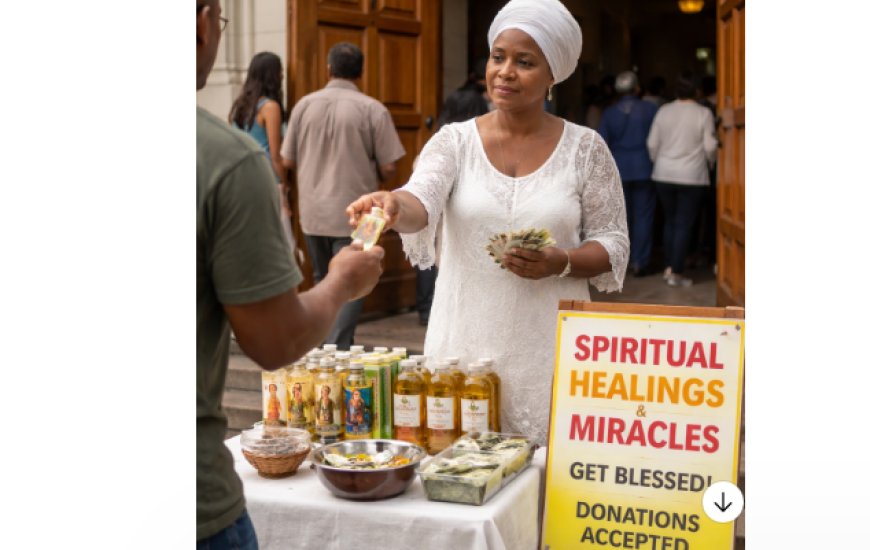
Among the Cape Verdean community in the United States, worrying signs are beginning to emerge of a phenomenon that is not new, but which is gaining strength in contexts of instability: individuals who present themselves as bearers of divine gifts, capable of curing illnesses, solving financial problems or "opening spiritual paths". They claim to communicate directly with God, promise miracles and offer quick solutions to complex problems - all for a fee, of course.
The logic is simple, but deeply dangerous: turn faith into business.
Many of the victims are people who are already facing difficulties - unemployment, family problems, illness, or the burden of immigration and distance from their homeland. In these circumstances, any promise of relief can seem like a lifeline. And it is precisely this vulnerability that these false "messengers" exploit.
The problem is not faith. Faith in itself is an important pillar in the lives of many Cape Verdeans, both inside and outside the country. It is rooted in the culture, history and identity of the people. What is at issue is the manipulation of this faith. When someone sets themselves up as the exclusive intermediary between God and others, and charges for it, they cross a very clear ethical and moral line.
More worrying still is the social impact of this phenomenon. In addition to the financial losses - often significant for those who already have little - there is also emotional and psychological damage. People who place their hopes in these promises often end up even more disillusioned, frustrated and disbelieving, not just in others, but in themselves.
This kind of practice also weakens the community itself. It creates mistrust, divides opinion and, in some cases, generates conflict. While some defend these figures as "men or women of God", others warn of the obvious danger of manipulation and fraud.
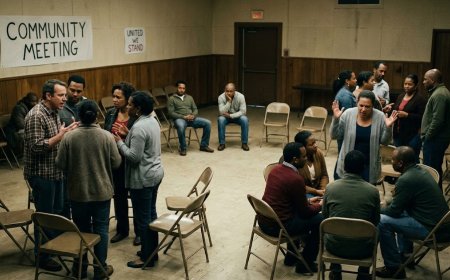
It is essential that there is more awareness and debate on this issue. Community leaders, associations, serious churches and even family members have an important role to play in prevention. Talking openly about these situations, alerting the most vulnerable and promoting critical thinking can make a difference.
In addition, it is important to stress that faith should not be conditioned by payments, extravagant promises or dependence on third parties. Spirituality, when genuine, is not sold or imposed - it is lived.
In difficult times, solidarity, empathy and mutual support must prevail over opportunism. The Cape Verdean community, known for its resilience and unity, has the capacity to face these challenges - but this requires vigilance, information and, above all, the courage to denounce abusive practices.
Because, in the end, the real strength of a community does not lie in the "miracles" promised by a few, but in the honesty and care that its members have for each other.
MS