





Editorial | Brava, the PAICV and politics repeating itself
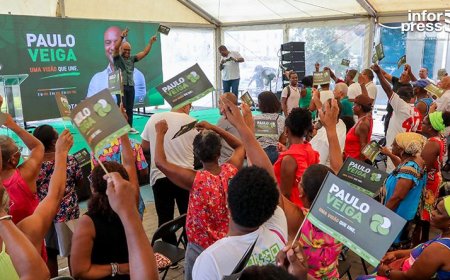
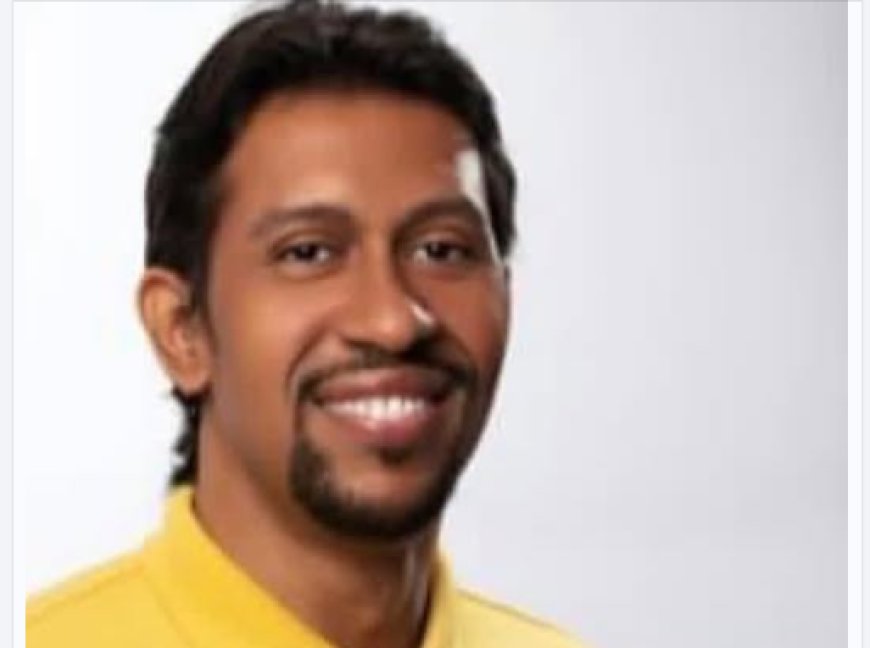
The choice of the head of the list for the next legislative elections has once again brought the island of Brava face to face with a feeling that many are already getting to know well: a sense of repetition. After the announcement that Clóvis Silva would once again be the first name on the list of the African Party for the Independence of Cape Verde (PAICV) for the Brava constituency, the reaction of many citizens was immediate and almost spontaneous: "again?"
(...) The exclamation, repeated in conversations in the streets, cafés and social networks, reflects a feeling that goes beyond simply choosing a candidate. It reflects a deeper debate about political renewal, representativeness and the future of the small island.
For around fifteen years, Clóvis Silva has been the figure representing Brava in the national parliament. It's a long political career, which in itself demonstrates experience and presence on the political scene. However, in mature democracies, political longevity also usually brings with it a natural expectation of renewal - not just of people, but of ideas, methods and visions for development.
This discussion becomes even more sensitive when one recalls the deputy's recent electoral performance. In 2020, Clóvis Silva was a candidate in the local elections, facing Francisco Tavares, from the Movement for Democracy (MpD). The result ended up favoring Francisco Tavares, who won the city council. For many political observers on the island, this episode raised doubts about the ability of the current frontrunner to mobilize the Bravense electorate once again.
The political context makes the decision even more strategic. At the national level, the PAICV has emerged as one of the parties with a strong chance of winning the legislative elections. However, the local reality does not always follow national trends. In Brava, the political balance has been fragile and competitive.
In the last municipal elections, for example, the PAICV managed to win the Town Hall relatively narrowly, but ended up losing the Municipal Assembly - a clear sign that the electorate is divided and aware of the alternatives.
In this scenario, the choice of Clóvis Silva could prove to be a risky bet. Some fear that the decision will end up weakening the party on the island, opening up space for the MpD to consolidate or expand its political presence. Instead of capitalizing on a possible national victory for the party, Brava could move in the opposite direction, turning the PAICV into a minority force in the constituency.
But perhaps the most sensitive issue is not just electoral. It touches on a deeper point in the island's political life: the renewal of leadership. Many Bravenses wonder whether, on an island with so many educated children, qualified professionals and prepared young people, there aren't other cadres capable of taking on political responsibilities at the highest level.
The impression left on part of the population is that politics continues to revolve around the same names, the same structures and the same old disputes. This raises an inevitable question: is there a lack of competence on the island or is there a lack of space for new voices to come forward?
When a politician has accumulated more years in a political career than in their original profession - in this case, law - the reflection on renewal becomes even more legitimate. After all, politics needs experience, but it also needs oxygenation.
Another element that is also beginning to raise questions concerns the very process of choosing a candidate. According to the PAICV's statutes, candidates for the head of the list must be proposed by the regional political commissions. However, when questioned on the subject, the president of the party's Regional Political Commission in Brava, Carlinhos Martins, opted for silence.
This political silence has not gone unnoticed. On the contrary, it has opened up room for interpretation and speculation. For some analysts and activists, the absence of a clear position could indicate that Clóvis Silva's name has not been formally vetted by the regional commission, raising doubts as to whether the process fully respected the internal dynamics laid down by the party itself.
If this is the case, the question is no longer just about who the candidate is, but also about how he was chosen.
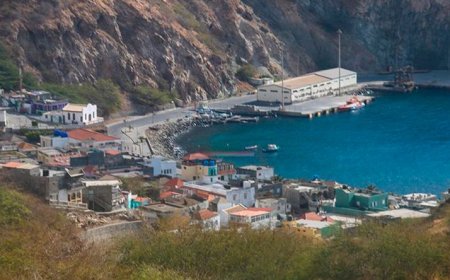
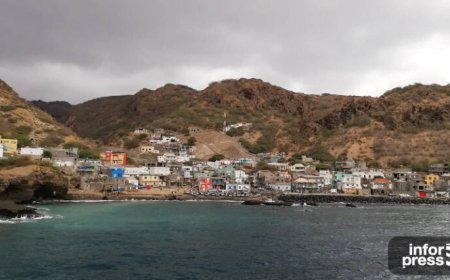
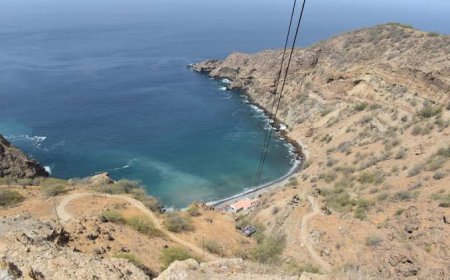
Brava, known as the "island of flowers", was also an island of critical thinking, of an active diaspora and of citizens attentive to public life. Perhaps that's why the debate on this choice is far from just a party issue. Rather, it is a discussion about the island's political future and the need - or not - to open doors to a new generation of leaders.
Because, at the end of the day, the question that echoes among many Bravenses remains simple, direct and loaded with meaning:
(...)until when will the island's politics keep repeating the same names?