



















Victory for transparency and a spirit of mission, MpD MPs guarantee Brava Câmara's Budget and Activity Plans for 2026
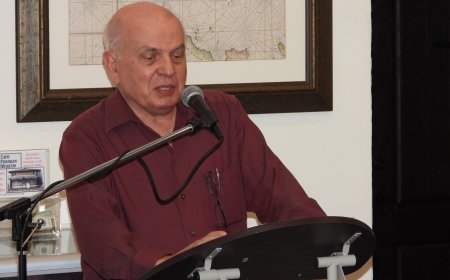
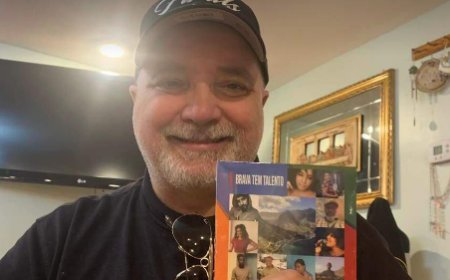
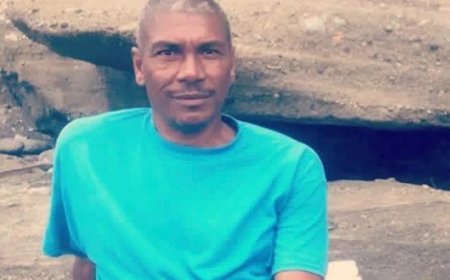
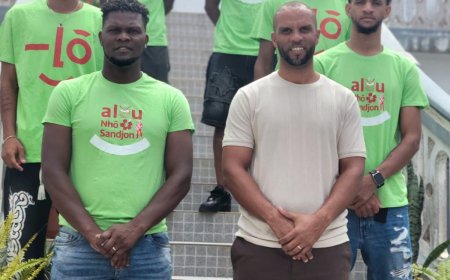
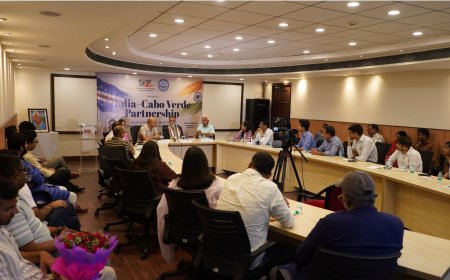
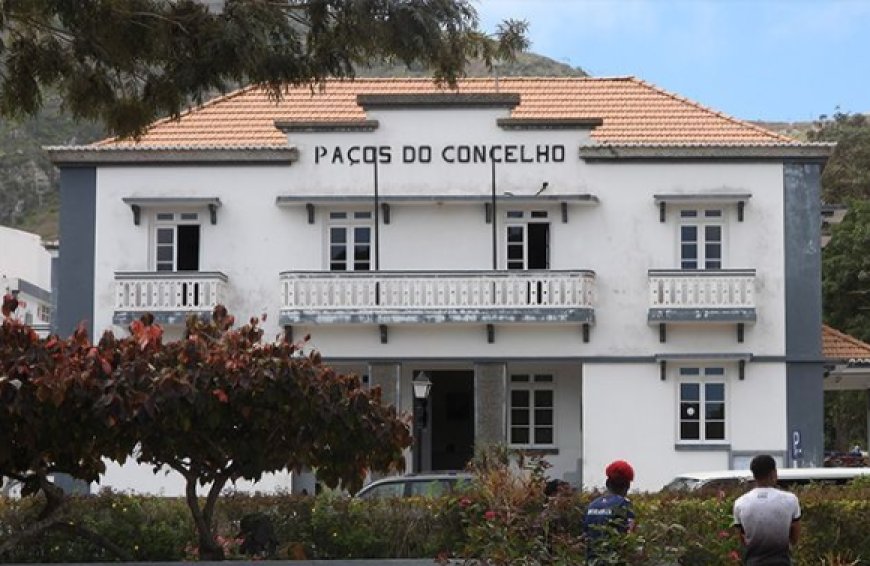
Nova Sintra City, December 12, 2025 (Bravanews) - In a demonstration of political courage, a sense of mission and, above all, love for the island of Brava, the Municipal Deputies of the Movement for Democracy (MpD), Samuel Varela and João Paulo Gomes da Silva, voted in favor of the Budget and Activity Plans for the year 2026, proposed by the City Council, led by Mayor Amândio Brito, of the African Party for the Independence of Cape Verde (PAICV).
This act, unprecedented in the recent history of the Bravense municipality, deserves to be highlighted for the transparency and congruence it sought to restore to the local political scene, prioritizing the workings of the municipality and the interests of the population.
Compiling the records and drawing on the historical memory of the local players, it is clear that the vote in favor of the two MpD MPs is a historic milestone. The political tradition on Ilha Brava, as in many other municipalities, was marked by a rigid party line, where the PAICV, being in opposition, never voted in favor of a Budget and Activity Plans proposed by an MpD-led City Council.
The PAICV, being in opposition, never voted in favor of a Budget and Activity Plans proposed by an MpD-led City Council.
In the same way, during the PAICV's mandate, which lasted from 2000 to 2012 under the leadership of Camilo Gonçalves, the MpD's bench in the Municipal Assembly also never gave in to a vote in favor of proposals emanating from the City Council. This pattern of mutual and systematic blocking, regardless of the quality or urgency of the management instruments, has remained the norm, often putting party interests above the real needs of the island.
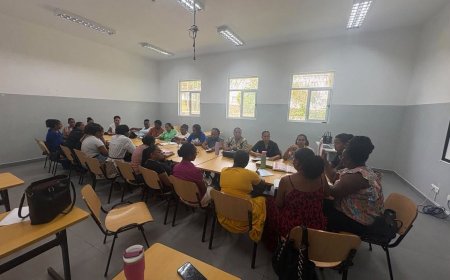
Currently, the MpD leads the Municipal Assembly, giving it significant veto power over the council's proposals. Failure to approve the Budget and Activity Plans would force the City Council to operate on a Duodecimal Regime, a management method that drastically restricts investment capacity and the implementation of new projects, limiting monthly expenditure to one-twelfth of the previous budget. Such a scenario would represent a block to the full and effective functioning of the municipality, penalizing the Bravense population.
It is in this context of potential paralysis that the attitude of Samuel Varela and João Paulo Gomes da Silva stands out. With a clear sense of mission and out of love for the Brava, the two municipal deputies broke the rule of party conflict, giving the PAICV's municipal council the two most important instruments for its management and the implementation of actions for the benefit of the community.
This decision, applauded by many for its maturity, inevitably raises profound questions about past political practices and the hierarchy of priorities. If the approval of these documents is crucial to avoiding the blockade and guaranteeing the island's development, why has this never happened before?
The attitude of the MPs from the MpD imposes a self-questioning on the benches that have systematically voted against in the past, namely:
-
Weren't Ilha Brava and the Brava population so important in the past? If the blockade has always existed, what has changed now to make the urgency of avoiding the Duodecimal Regime an imperative?
-
Why did the PAICV caucus never vote in favor of any City Council document when the Presidents were from the MpD, like Orlando Balla and Francisco Tavares?
These are questions that demand an answer, exposing a dynamic where, at times, "pure politics" - party warfare - seems to have been prioritized, relegating the interests of the Brava to a secondary plane.
The vote in favor of Samuel Varela and João Paulo Gomes da Silva thus represents more than simple approval; it is a challenge to political maturity, signaling that the interests of the island must be above party colors, guiding the future Brava municipalism towards greater transparency and congruence in defending the community's best interests.