














From the land to the alembic, the process of growing and harvesting sugar cane to produce JBEY brandy
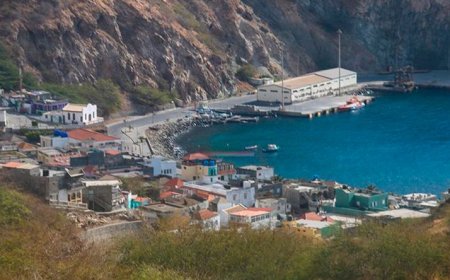
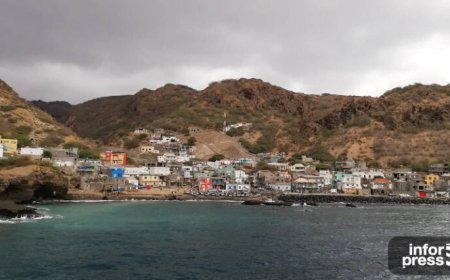
Cidade de Nova Sintra, January 25, 2026 (Bravanews) - The production of JBEY brandy begins long before distillation. It is born in the land, in the rhythm of nature and in the ancestral knowledge of the island of Brava, where sugar cane is cultivated with respect, patience and deep knowledge of the territory.
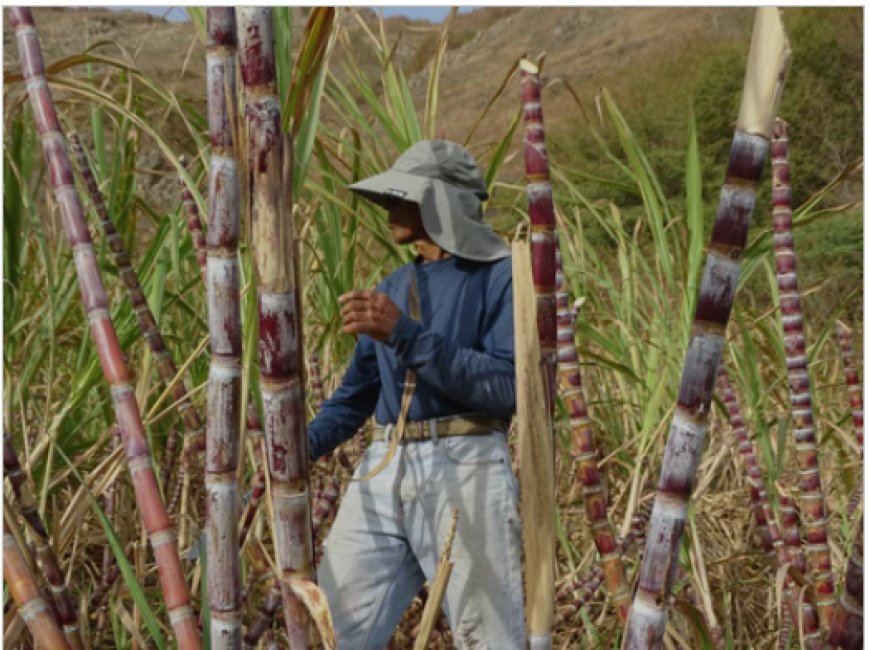
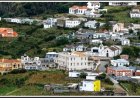
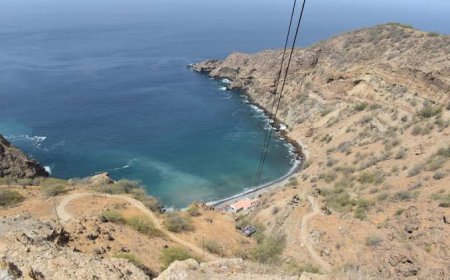
The cane is planted directly on the Brava, on terraces facing the sea, taking advantage of the fertility of the volcanic soil and the privileged sun exposure. It grows in the generous sunshine of the Atlantic, caressed by the ocean breeze, which helps to balance the ripeness and concentration of the sugars. Each plot is cared for by hand, following traditional practices handed down from generation to generation.
Two main varieties of sugar cane are used to produce JBEY brandy, both with their own characteristics.
The Cana Preta (Canne Noire) is considered the best cane for producing grog. It stands out for its high sugar content, an essential factor for efficient fermentation and for obtaining a high-quality distillate. This variety offers unique taste qualities, with rich, complex and aromatic flavor profiles that give the spirit depth and identity. Its visual appearance is equally striking, with an intense dark color that varies depending on the growing and maturing conditions.
The Striped Cane or Red Cane (Canne Rouge) is now a rare variety, on the verge of disappearing. On the Brava, it is only grown on small plots, where it receives extra care and almost artisanal attention. Its reddish color, visible above all on the stems and leaf sheaths, distinguishes it visually. Like black cane, it has a high sugar content and, in some varieties, a very interesting yield, making it a precious and highly valued raw material for limited and unique productions.
The sugar cane destined for JBEY brandy is harvested exclusively by hand, plot by plot. The process begins by cutting off the tip of the cane, which is carefully set aside for replanting, guaranteeing the continuity of the agricultural cycle. Next, the body of the cane is separated, selecting only the best quality part. The stalks are then tied into bundles and carried on the men's backs down the steep, narrow paths of the plantation.
This work requires enormous physical effort, stamina and refined technique. More than a simple agricultural task, it is a true ritual, rooted in the island's history and identity. It is local and ancestral know-how, where every gesture has a purpose and each stage influences the final character of the brandy.
This is how brandy is bornJBEY: the fruit of the wild land, the sea that surrounds it and the expert hands of those who keep alive a tradition that respects nature, culture and time.
MS