




















Nuias Silva and the PAICV: What could it be?
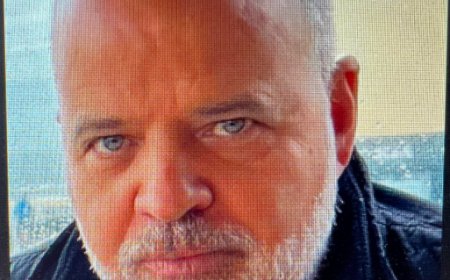
The African Party for the Independence of Cape Verde (PAICV) is approaching the 2026 legislative elections in a context of deep structural and leadership vulnerability. The Afrosondagem poll, which points to a consolidated lead for the ruling MpD party, is a symptom of the erosion of the main opposition party's political capital
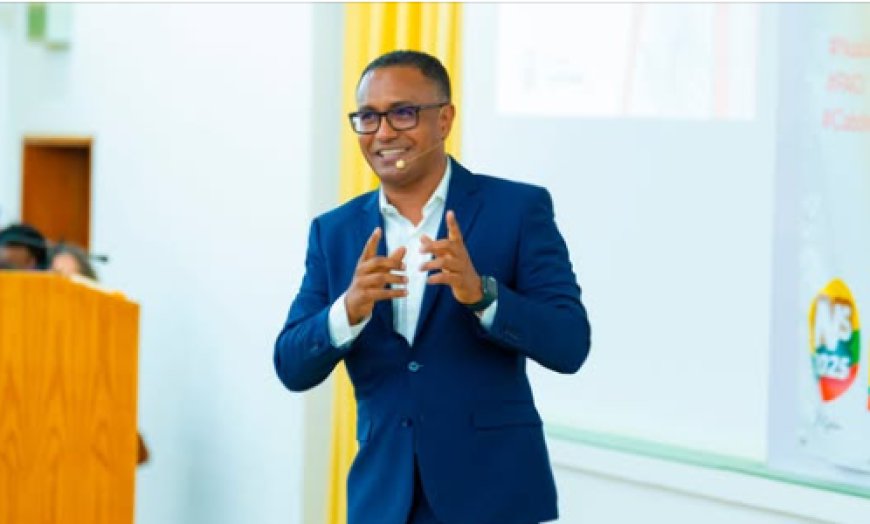
This analysis aims to deconstruct, from a Political Science and Public Management perspective, the factors that contribute to the current fragility of the PAICV, contrasting them with the alternative leadership model that could have been represented by Nuías Silva.
1. The erosion of institutional legitimacy
The PAICV's crisis is manifested primarily in the legitimization of its leadership. The internal election of Francisco Carvalho failed to generate the necessary party cohesion, resulting in a picture of post-election factionalism. This lack of unity is aggravated by three critical vectors:
1.1 The Judicialization of Politics and Reputational Risk
The involvement of the Party President in judicial confrontations (constitution as a defendant in municipal management proceedings) represents a paradigmatic case of the judicialization of politics. This phenomenon shifts the focus from the programmatic debate to the criminal sphere, imposing a systemic reputational risk on the PAICV.
"The PAICV cannot allow the electoral debate to be captured by an individual lawsuit. A Party with its history cannot reduce its collective project to the permanent defense of one leader..."
Keeping a leader under judicial scrutiny weakens the party's moral authority to supervise the government and uphold discourses on probity and public ethics. In the rule of law, the presumption of innocence is a legal pillar, but political legitimacy requires a higher ethical standard than the legal minimum, compromising the perception of future governability.
1.2 Political Communication: Informality and Victimization Tactics
The current leadership's communication strategy has been marked by informal language and recourse to tactics of political victimhood. This approach, which some critics call "political goofiness", can be interpreted as an attempt to mobilize the grassroots through a siege narrative ("political persecution"). However, this tactic alienates the floating electorate and the political center, which value institutional maturity and the gravitas of discourse. The inability to deal with contradiction without resorting to victimization projects an image of immaturity that contrasts with the PAICV's history as a "State Party".
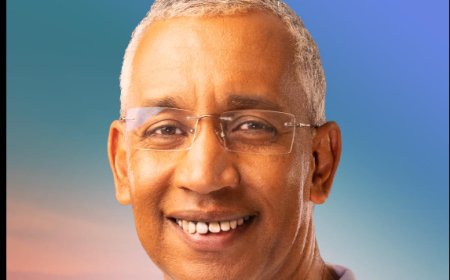
2. Nuías Silva: The Techno-Managerial Leadership Model
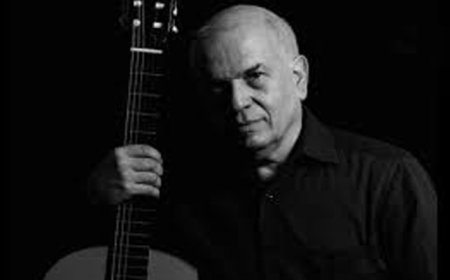
The alternative scenario, with Nuías Silva in the lead, offers a significant analytical contrast. Silva represents a techno-managerial leadership model, based on three pillars that would mitigate the PAICV's current weaknesses:
2.1 Human and Executive Capital
With a background in Industrial Engineering and Management, Silva has human capital that translates into proven executive competence. His success in running São Filipe City Council, culminating in re-election by a qualified majority, serves as a tangible political asset. This background allows him to frame the electoral debate in the field of Public Management and administrative efficiency, challenging the MpD on its own ground
.
.
2.2 Institutional Cohesion and Ethics
His stance of party unification ("My wing is the PAICV") and the absence of lawsuits give him an ethical and institutional capital that the current leadership does not possess. Under Silva, the PAICV would regain the moral authority to lead the discourse on transparency, repositioning itself as a serious and predictable governance alternative.
In conclusion,
The PAICV's crisis is not merely conjunctural, but structural, resulting from a failure in the management of the party's political capital and organizational culture. The current leadership, by allowing judicialization and adopting trench communication, compromises its institutional credibility and its ability to present itself as a viable governance alternative.
Nuías Silva, with his managerial profile, his ethical integrity and his capacity for unification, represents the leadership model that the PAICV needs to reverse the unfavorable scenario of the polls. His rise to leadership would have allowed the party to reach 2026 with a renewed state discourse, focused on competence and transparency, transforming the PAICV from a protest force into a credible and prepared government alternative. The failure to choose this leadership model could be interpreted, a posteriori, as a decisive political error that will jeopardize the chances of democratic alternation in Cape Verde.