







The development of the island of Brava and the fate of the crab
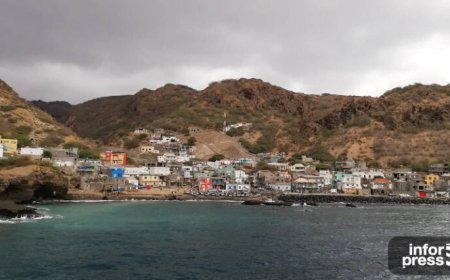
Ilha Brava, known as the "island of flowers", boasts unquestionable natural beauty, a rich history and a resilient people. However, when it comes to development, many Bravenses resort to a popular expression laden with symbolism: the fate of the crab - that feeling that, despite its best efforts, the island moves forward only to then fall back, like a crustacean walking sideways.
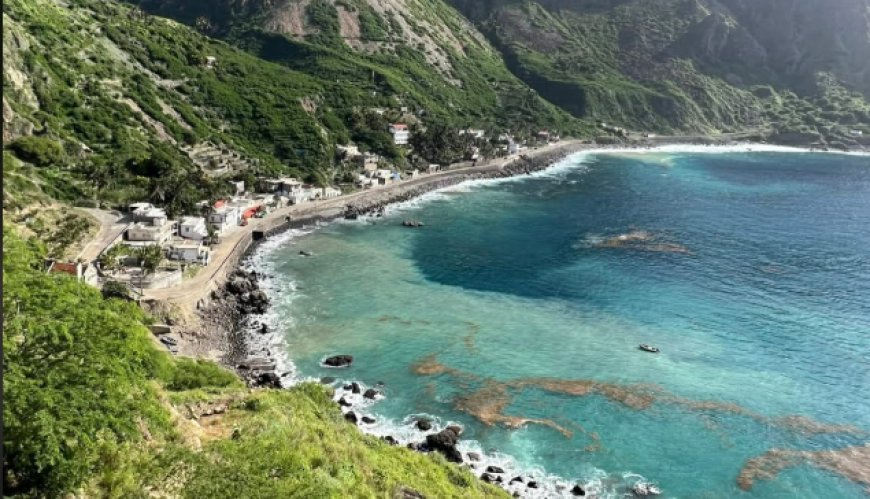
This article proposes an in-depth reflection on the structural challenges, the missed opportunities and the possible paths for Brava to stop walking "sideways" and start on a steady path of sustainable progress.
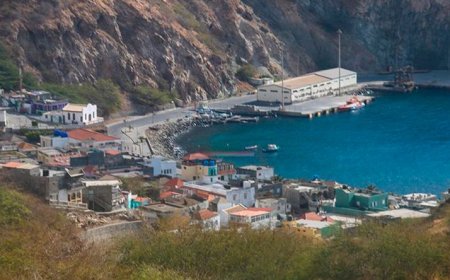
Historically, Brava has always faced geographical limitations. Without an airport and dependent on sea connections through the port of Furna, the island lives in constant uncertainty of mobility. The sea, which could be a bridge, often becomes a barrier.
The irregularity of maritime transport affects local trade, the flow of agricultural products and fish, tourism, the mobility of students and patients, and the confidence of investors.
Without logistical predictability, no economy can flourish consistently.
But the central question is, is the isolation just geographical or is it also political and strategic?
The Bravense economy is traditionally based on five pillars, namely small-scale agriculture, artisanal fishing, construction, trade and remittances from the diaspora.
The Bravense diaspora, particularly in the United States, has been the island's great financial lung. Many families survive thanks to money sent from emigrant relatives. However, this dependence creates a side effect: it reduces the pressure to create a dynamic and productive internal economy.
The absence of processing industries, organized value chains and real incentives for private investment means that the island remains in a cycle of subsistence.
This is where the crab metaphor comes into play. Whenever there is a small breakthrough, such as a public work or a one-off project, the lack of strategic continuity causes the impact to be diluted.
One of Brava's biggest challenges is the constant departure of its young population. The lack of job opportunities, specialized training and career prospects leads many to seek a future on other islands or abroad.
As a result, an ageing population, a reduction in the productive force, less economic dynamism and a fragile internal market are evident.
Without active youth, there is no innovation. Without innovation, there is no structural transformation.
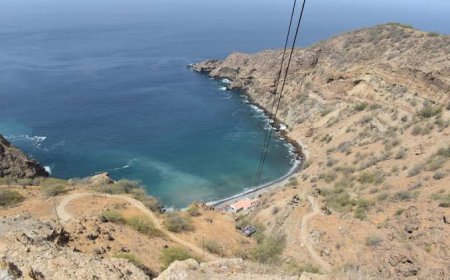
The Brava has unique characteristics that could position it as an ecological and cultural tourism destination, with nature trails, mountainous landscapes, a mild climate, historical and religious heritage, tranquillity and authenticity, however, it lacks adequate infrastructure, structured promotion, coordinated investment and professional training in the area.
Tourism could be an engine for sustainable development, but it needs a long-term strategic vision.
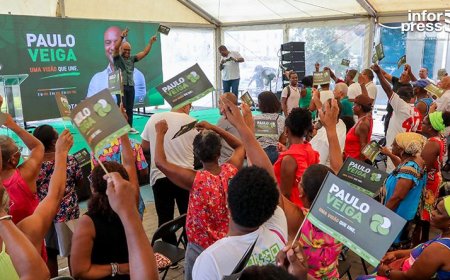
Over the years, different local and national leaders have presented promises of development for the island. Brava has had Jorge Nogueira, José Maria Barros, Camilo Goncalves, Orlando Balla, Francisco Tavares and now Amandio Brito, but political alternation often means administrative discontinuity.
Projects started by one administration are abandoned or reformulated by the next. This constant cycle prevents the consolidation of structural policies.
Development cannot be a mandate project. It must be a generational project.
Despite the difficulties, Brava maintains something that cannot be ignored, a strong social capital.
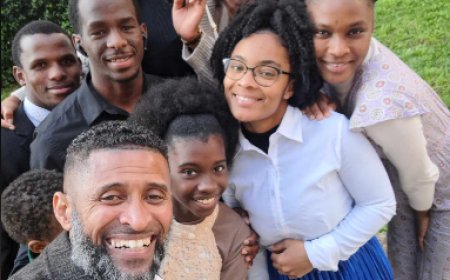
Community solidarity, cultural identity and Brava pride are valuable assets. The diaspora remains connected to the land, invests in housing, supports traditional festivals and social works, and maintains family ties.
If this emotional strength is channeled into productive investments, sustainable community projects, public-private partnerships and youth entrepreneurship, the island can transform the "fate of the crab" into a story of overcoming.
To break the cycle, some structural priorities seem inevitable, such as regular and predictable transportation, uniting emigrants for great causes, a long-term strategic plan (20 years) specifically for Brava, differentiated tax incentives, technical and digital training, productive integration with the island of Fogo.
The "fate of the crab" is not an inevitable fate - it is a reflection of circumstances, decisions and the absence of a continuous strategy.
Brava doesn't need emotional speeches, it needs technical planning, political commitment and social mobilization.
The question that remains is simple: will the island continue to move sideways, stuck in cycles of progress and setbacks?
Or will it take a new course, turning its limitations into opportunities?
The development of the Brava doesn't just depend on geography, but above all on the collective courage to break with the past and move - finally - forward.
Moises Santiago, Pawtucket, February 28, 2026