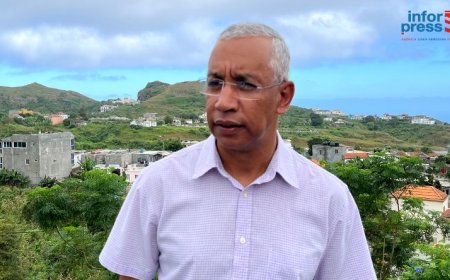




























"When a voice refuses to be sheep: the Mircea Delgado case"
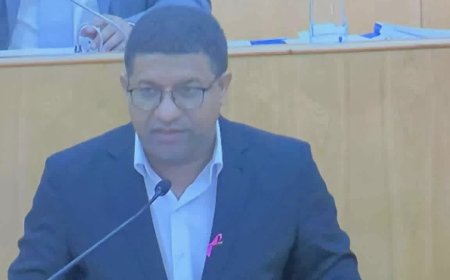
There are moments in parliamentary life that, because of their rarity, deserve to be observed carefully. In a Parliament where so many speeches are diluted by routine, predictable words and automatic party loyalties, there are figures who stand out simply because they refuse to play by the usual tune. One such figure is Mircea Delgado.

Different from so many who enter the National Assembly just to repeat guidelines, raise their hand when the bench tells them to or applaud a pre-arranged speech, Mircea has shown something that, ironically, should be normal but has become the exception: independence of spirit. And that, in Cape Verde, still causes astonishment.
We're not talking about gratuitous rebellion or easy protagonism. We're talking about someone who doesn't act like a sheep, who doesn't bow his head to the narrative he's served, and who does what an MP should really do: question, analyze, disagree when necessary and put the public interest above party choreography.
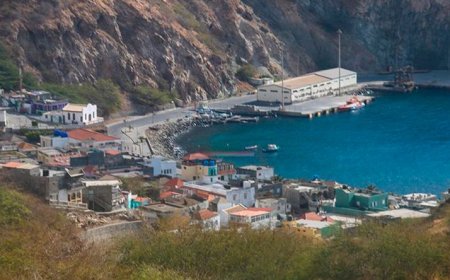
In his defence of regionalization and decentralization, in his criticism of the rigidity of centralization, in his denunciation of the planning deficits in São Vicente, Mircea has said what many think but few say. And he does so without fear of upsetting installed powers, sensitive institutions or structures that prefer silence. This has costs, of course. When someone refuses to behave like a sheep in the parliamentary flock, the system's dogs bark - but they bark because it bothers them.
Parliament needs voices like this: firm, lucid and without mechanical submission. Not because we want to create conflict, but because public debate requires real plurality. A democracy accustomed to tutored consensus is weakened; a democracy that welcomes reasoned dissent is strengthened.
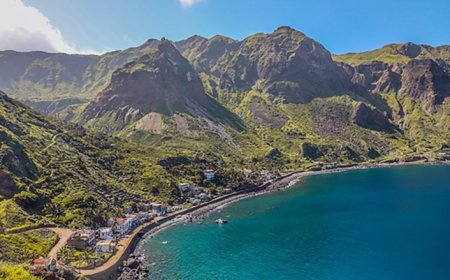
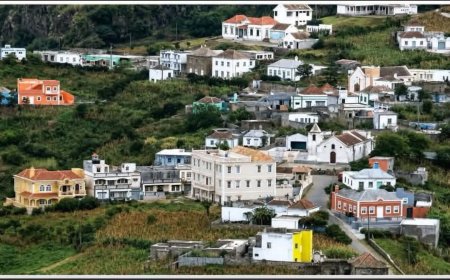
Mircea Delgado represents precisely this healthy friction. And in an archipelagic country where territorial diversity is a richness, it makes sense that there are those who remind us - insistently - that the islands cannot depend forever on a center that decides everything and conditions everything.
Therefore, regardless of whether I agree or disagree with his positions, I recognize: Cape Verde wins when it has MPs who don't follow the herd. It wins when there are those who question. It wins when there are those who think for themselves. It wins when a voice rises up and says: "I'm not here to be one more".
If Parliament had more figures capable of breaking with automatic obedience, perhaps the political debate would be richer, more honest and more useful for the real country - the country that lives, suffers, creates and struggles to be better.
Mircea may irritate some, annoy others and challenge many. But a self-respecting democracy needs exactly that. And as an attentive Cape Verdean, I say without hesitation:
Cabo Verde goes there - when there are those who refuse to be sheep.