







35 years of democracy Episode I - Six Presidents and one island, the municipal leadership of President Jorge Nogueira
Cidade de Nova Sintra, February 1, 2026 (Bravanews) - The history of municipal leadership on the island of Brava during the democratic era is intertwined with the journey and dedication of men who, coming from different backgrounds, made the island their project in life and public service. Among these names is Jorge Nogueira, one of the six mayors of Brava in the democratic era, whose time in local power was marked by structuring decisions and a clear vision of development for the island.
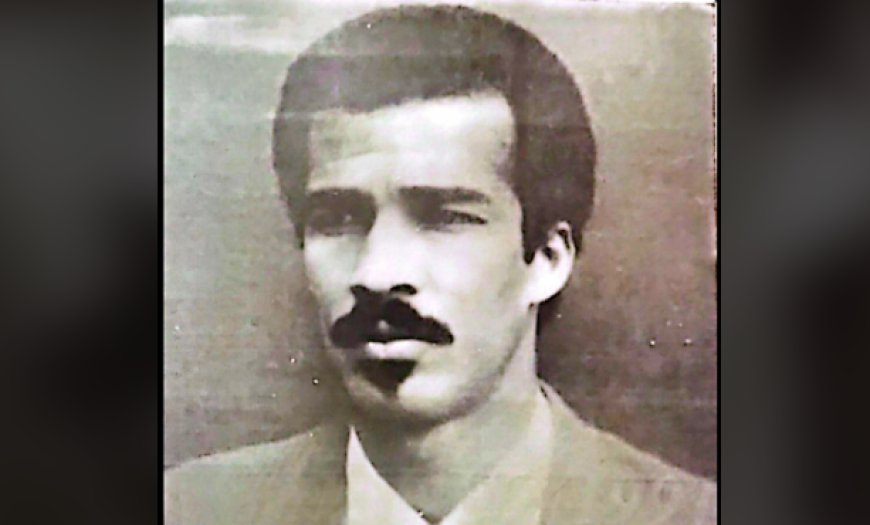
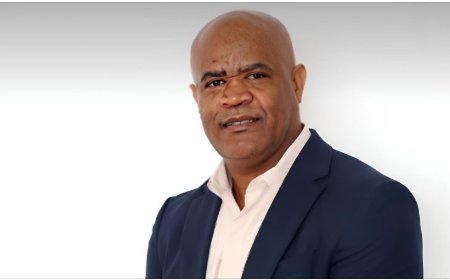
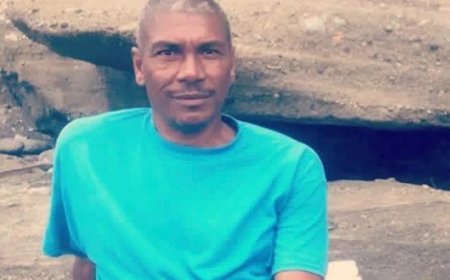
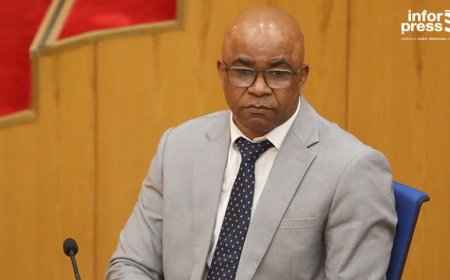
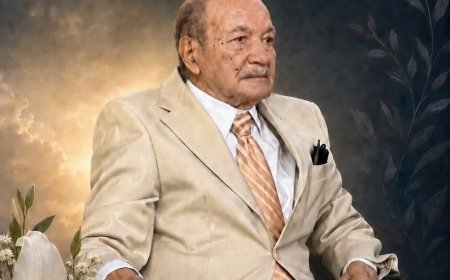
As the first Mayor of Brava, Jorge Arcanjo Livramento Nogueira was born on April 23, 1958, on the island of Fogo, but it was at a young age that he moved to Brava. The island welcomed him, shaped him and ended up becoming the place where he built his personal and political life. It was in Brava that he put down deep roots, winning the affection of the population and making a lasting commitment to the island's progress.
With the political opening and the advent of democracy in Cape Verde, Jorge Nogueira joined the first ranks of the new system. After serving for a few months as a government delegate, he decided to move into local politics. On December 15, 1991, he won the elections and became the first Mayor of Brava, taking office at a particularly demanding time, when the municipalities were still taking their first steps in a newly-democratized country.
In a conversation with Bravanews, Jorge Nogueira recalls this period as one of great challenges, but also of achievements that gave the island a decisive boost. Among the most important milestones of his term in office was the introduction of secondary education on Brava. After negotiations with the Ministry of Education, it was possible to start the first year of the complementary high school course - then the 3rd year of high school, now the 7th year. Initially, the City Council fully covered the running costs, until the Ministry took over the costs. Until then, students who completed the preparatory cycle were forced to move to Praia or São Vicente to continue their studies, a reality that meant that few continued their academic education. This measure profoundly altered the future of several generations of young Bravenses.
Another innovative step was taken in the area of energy. Through German cooperation, the council was able to obtain a wind turbine, installed in Favatal, which saved around 30% on fuel costs at the power station. This was an innovative solution for the time, especially on an island like Brava, where Favatal had exceptional natural wind conditions for producing wind energy.
Also in the field of health, German cooperation made it possible to purchase an incubator for prematurely born children, a previously unheard of piece of equipment on the island. This achievement had a direct impact on improving maternal and child health care, at a time when the Health Delegate was Dr. Pedro Morais, who also held the position of Councillor responsible for health in the City Council.
Access to piped water was another central focus of Jorge Nogueira's mandate. Several towns have now benefited from this basic service, especially Lomba Tantum, where the population had until then depended on washing water for agricultural irrigation, with the water being subject to all kinds of impurities. The arrival of piped water represented a significant leap forward in terms of public health and quality of life.
The City Council has also taken an active role in supporting the fishing sector. A significant number of fishermen benefited from outboard motors, at a time when only a minority had this type of equipment. In Tantum, most of the boats still went rowing, which made the activity harder and less productive. This support has helped to modernize artisanal fishing and improve family income.
In the field of electrification, the mandate was marked by the partnership between the council and the government to bring electricity to the towns of Furna, Cova Rodela and Cova de Joana. It was a measure of enormous social impact, experienced with great enthusiasm by the people, who now have access to an essential service for their development.
Sports and community infrastructures also deserved attention. The council built the Cachaço Multipurpose Stadium and left the Aquiles de Oliveira Stadium at an advanced stage of construction, laying the foundations for the promotion of sport and community life on the island.
At the same time, Jorge Nogueira invested in international cooperation and twinning with Portuguese municipalities, establishing relationships with leading authorities such as the municipality of Sintra, which began offering an annual scholarship to students from Brava. This initiative has opened up new training opportunities and strengthened ties between the island and the Portuguese institutional diaspora.
Among many other achievements, it is also important to remember the decisive influence of the City Council during this period in the construction of the Esparadinha runway, which was inaugurated during Jorge Nogueira's term of office. This project was closely linked to what would become the greatest challenge and, at the same time, the greatest dream of the Bravenses: to see an airplane land in Brava. The realization of this dream symbolized the definitive opening of the island to the country and the world.
Jorge Nogueira led a team made up, among others, of Councillors José Maria Goncalves Barros, Pedro João Lomba de Morais, João Evangelista Ramos Vicente and Daniel Manuel Santos do Rosario. With the departure of Councillor Daniel Manuel Santos do Rosário, who was transferred to the island of Fogo, he was replaced by Pedro Pires.
Miguel Pires Vieira was the first President of the Brava Municipal Assembly. Together, they faced the limitations of a young municipality with few resources, but with an enormous desire to transform the island's reality.
Decades later, Jorge Nogueira's legacy lives on in the collective memory of Brava, as an example of leadership in a foundational period of local democracy, marked by vision, innovation and a deep sense of commitment to the development of the island that welcomed him as a son.
Moises Santiago
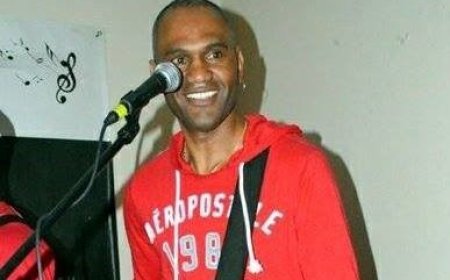
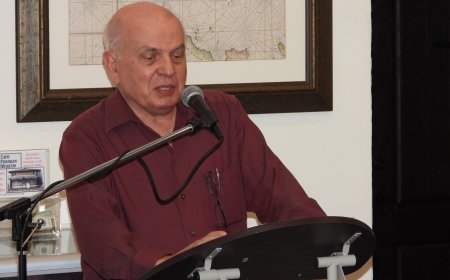
Photo courtesy of Jorge Nogueira