






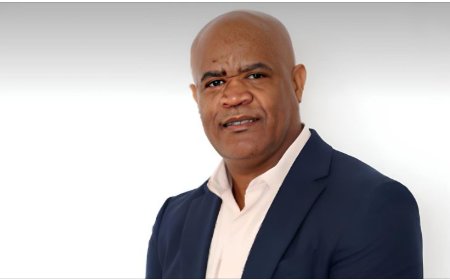
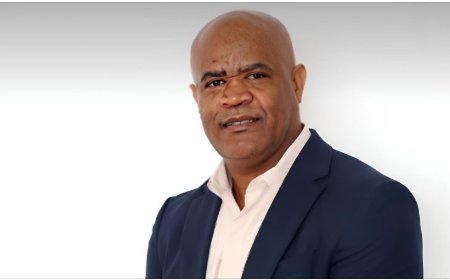
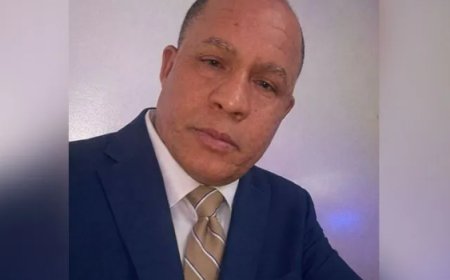


João José Delgado made a comparison that he considered offensive, associating the current coloring of the statue with the figure of a "mandinga".
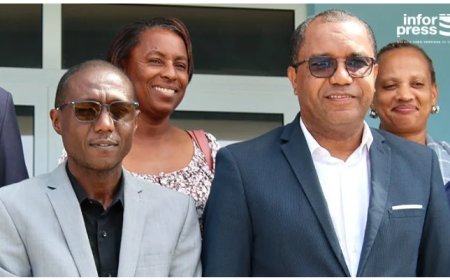
Cidade de Nova Sintra, January 31, 2026 (Bravanews) - The ongoing restoration of the statue of Eugénio Tavares, one of the greatest figures of Brava's culture, literature and identity, is generating strong controversy on the island, following a public post by Municipal Deputy João José Delgado, in which the elected official makes a comparison considered offensive, associating the statue's current coloring with the figure of a "mandinga".
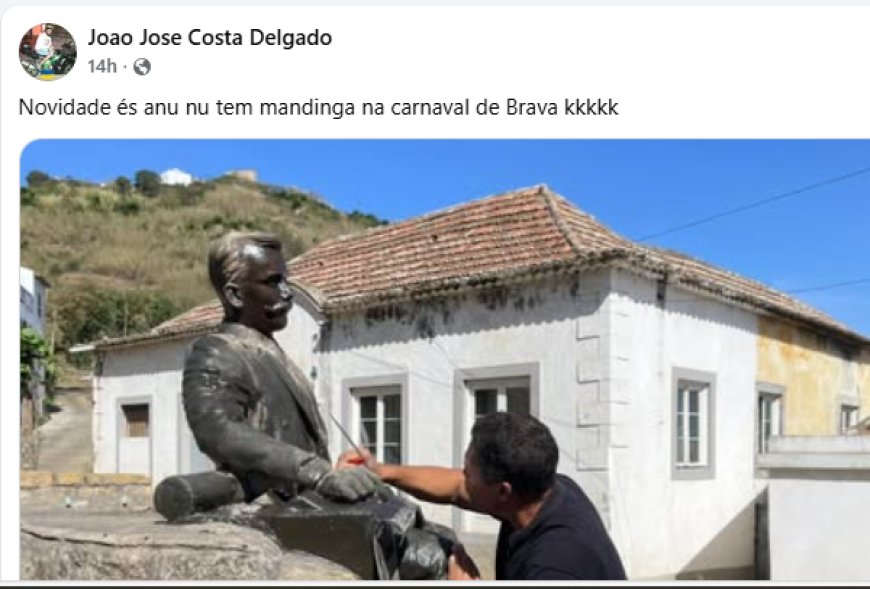
The deputy's intervention, made via social media, quickly sparked a variety of reactions, especially because of the way it addressed a symbolic work that pays homage to the Bravense poet, composer and thinker, whose contribution to morna, to the Creole language and to Cape Verdean cultural affirmation is widely recognized at national and international level.
In his post, João José Delgado refers to the color that the statue is taking on as part of the restoration work carried out by the Brava City Council, using a comparison that many citizens classify as unfortunate, disrespectful and culturally offensive. For several Bravenses, the reference goes beyond the field of political or technical criticism, touching directly on the dignity of Eugénio Tavares' memory.
While some voters and readers have argued that Bravanews should not focus attention on a specific municipal deputy, the editorial staff believes that it is not possible to remain silent when respect for one of the most important figures in Brava's cultural history is at stake. Eugénio Tavares is not just a municipal symbol; he is the moral, artistic and identity heritage of the Brava people.
Various voices in civil society believe that criticism of public works should be made with elevation, responsibility and historical awareness. For these citizens, the way the municipal deputy chose to express himself does not contribute to a constructive debate on the quality of the intervention on the statue, shifting the focus to language that hurts sensitivities and trivializes the legacy of Eugénio Tavares.
Contacts heard by Bravanews stress that the restoration of historical monuments can and should be debated - in terms of the technique used, the final aesthetic or the preservation of the original feature - but always with respect for the figure being honored and the collective memory. "Eugénio Tavares deserves serious criticism, not derogatory comparisons," said one local resident heard by our newsroom.
So far, Brava Town Hall has not issued a detailed public statement on the technical and artistic options adopted in the statue's restoration, but sources close to the process indicate that the intervention aims to preserve the monument and prolong its durability in the face of degradation caused by time and weather conditions.
The episode reopens a wider debate about the role of elected representatives in public discourse and the limits of political criticism when it comes to cultural symbols that are deeply rooted in a community's identity. For many Bravenses, respect for Eugénio Tavares is also respect for Brava itself.
Bravanews reaffirms its commitment to defending the culture, history and values of the island of Brava, giving voice to public debate whenever it is necessary, especially when it comes to figures who are part of the intangible heritage of the Brava people. Eugénio Tavares continues to be, yesterday as today, a pillar of Brava's cultural soul - and his memory demands dignity.