



























How can Brava not have eggs? Dependence on sea links raises debate about local production
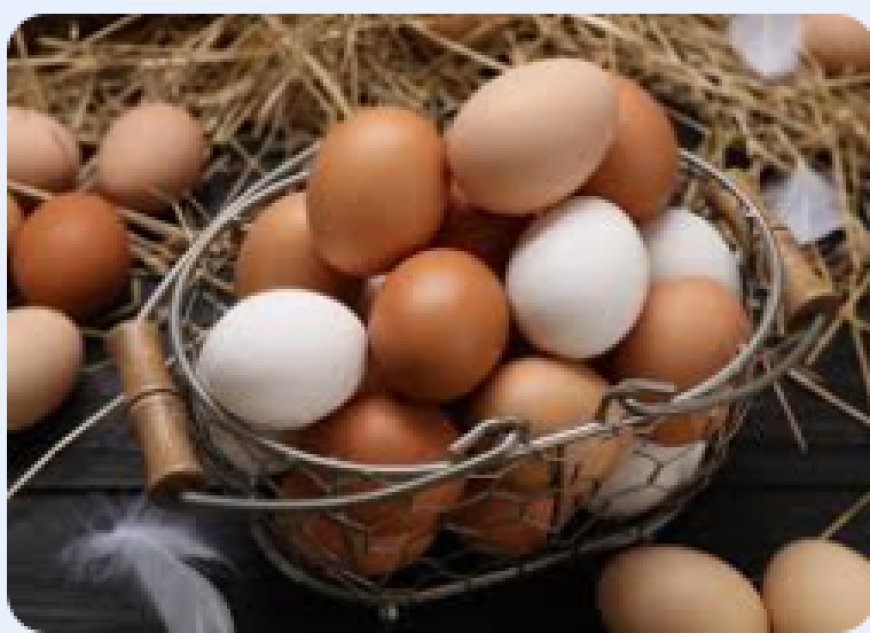
Cidade de Nova Sintra, December 19, 2025 (Bravanews) - The egg shortage recorded in recent days on the island of Brava has once again exposed a reality that has long worried sectors of Brava society. The excessive dependence on the sea connection for the supply of basic products, even those that could be produced locally. The question many are asking is simple and straightforward: how can there be a shortage of eggs on an island where there are conditions for keeping chickens?
With the constant irregularities in maritime transportation, aggravated by ship breakdowns and successive delays in connections between the southern islands, essential products such as eggs, potatoes and onions have been arriving in Brava in reduced quantities or, in some cases, simply not at all. Faced with this situation, traders have been forced to rationalize sales, limiting the quantity per customer in an attempt to avoid total stock-outs.
However, in the case of eggs, the situation has generated even more indignation among some sectors. "The egg doesn't come from the factory, it comes from the hen," say residents, questioning why the island is still dependent on imports from Santiago or Fogo, when it could seriously invest in local production.
Historically, many Bravense families raised chickens in their backyards, guaranteeing eggs for self-consumption and, in some cases, for informal sale. Over the years, this practice has been abandoned, either due to a lack of incentives, rising feed costs, a lack of technical support or simply an excessive reliance on external supplies.
Local development experts argue that the current crisis should serve as a wake-up call to the authorities and society. "Brava cannot remain hostage to the sea link for everything. Poultry production, even on a small scale, could guarantee a minimum supply of eggs for the population, especially in times of crisis," they say.
For many families, eggs are one of the main sources of protein, especially in a context where fish is not always available and meat has high prices. Its absence from the market has a direct impact on the household budget and food security.
"Some days I go to the store and I can't find any eggs. When there are, I can only take half a dozen," says a resident of the island, adding that the situation is even more difficult for families with children.
The situation also raises criticism of the lack of public policies aimed at the island's food self-sufficiency. Farmers and small-scale breeders point to the lack of support programs for poultry breeding, easy access to feed, vaccines and veterinary care as obstacles to relaunching the sector.
"If there had been a serious project to support those who wanted to raise chickens, Brava wouldn't be going through this today," says one resident, arguing that the town hall and the central government should look at local production as a strategic priority.
Despite the worrying scenario, many see the current crisis as an opportunity to rethink the island's supply model. Betting on raising laying hens, encouraging local cooperatives and promoting family production are some of the solutions pointed out to reduce external dependence.
While this doesn't happen, Brava continues to wait for ships - and eggs - from abroad, in a situation that highlights long-standing structural weaknesses and rekindles the debate on the urgency of investing in the island's food autonomy.