


























Residents of Mato call for urgent intervention by the authorities in the face of a fallen electricity pole
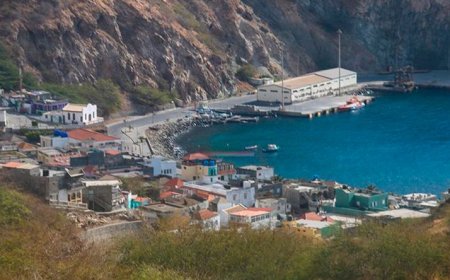
Nova Sintra, January 3, 2026 (Bravanews) - Residents of the town of Mato, on the island of Brava, are expressing growing concern about the state of a pole supporting electricity and communications wires, which is visibly degraded and in imminent danger of falling, putting the entire local community on alert.
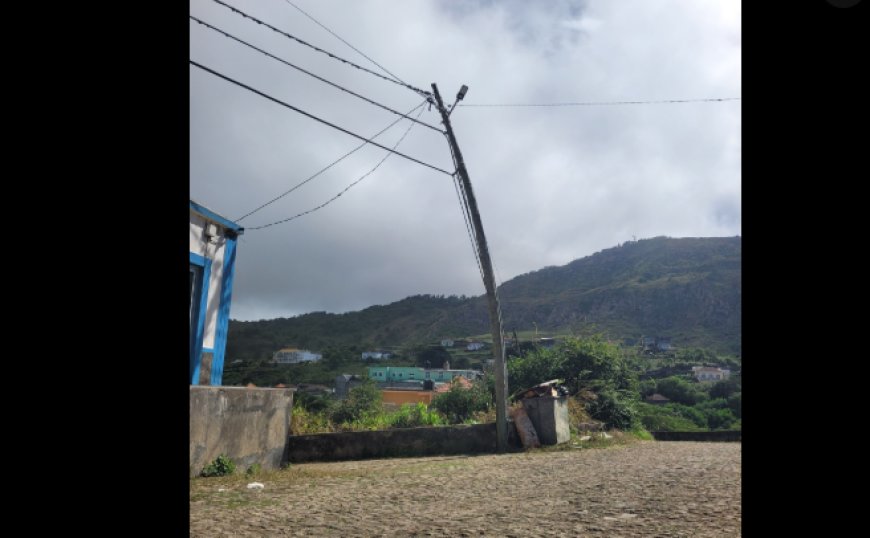
According to reports from residents, the pole shows clear signs of fragility, as it is leaning and its base is compromised, a situation that has worsened with the passage of time and continuous exposure to the weather. Residents fear that in the event of a collapse, the entire town could be cut off from electricity and communication services, including telephone and internet, seriously affecting the daily lives of the population.
In addition to the impact on essential services, the inhabitants of Mato are also warning of the risks to public safety. The fall of a pole with high-voltage cables could pose a serious danger to people, animals and nearby homes, especially to children and the elderly who circulate in the area on a daily basis. "It's not just the light that's at stake, it's also our safety," said one resident, stressing his fear that the problem will only be dealt with after a tragedy has occurred.
The residents say that the situation has already been reported informally to some authorities, but so far there has been no concrete intervention on the ground. The community questions the delay on the part of the competent authorities and asks for a swift response from the company responsible for power distribution, the communications operators and the municipal authorities, in order to technically assess the state of the pole and proceed with its immediate replacement or reinforcement.
The concern is even greater given the reality on the island of Brava, where power and communications outages have a significant impact on people's lives, on the running of small businesses, on health services, on education and on contact with family members in the diaspora. For many residents, a possible prolonged outage would aggravate the isolation of the town of Mato and increase the feeling of abandonment.
Community voices argue that this type of situation highlights the need for preventive maintenance of public infrastructure, rather than just reactive interventions. "We can't wait for the lamppost to fall and then take action. Prevention is always cheaper and avoids unnecessary risks," said another resident.
The residents of Mato are therefore calling for urgent and coordinated intervention by the authorities responsible, so that the safety of the population and the continuity of basic services can be guaranteed. Until then, the community remains apprehensive, hoping that the warning issued will be heard before the worst happens.