






































Brava: CVI plans to transport 135 tons of cargo by the 27th, but traders consider the volume insufficient and accuse the company of a lack of transparency
Cidade de Nova Sintra, December 22, 2025 (Bravanews) - Cabo Verde Interilhas (CVI) has announced a cargo transport schedule for the island of Brava that foresees the shipment of around 135 tons of goods by the 27th of this month. However, traders and economic operators on the island consider the volume to be clearly insufficient to meet the consumption needs of the population, especially during a critical period marked by the Christmas and end-of-year festivities. More seriously, according to the traders, the implementation of the announced schedule has already begun to fail on the very first day, raising serious doubts as to the credibility of the information provided by the company.
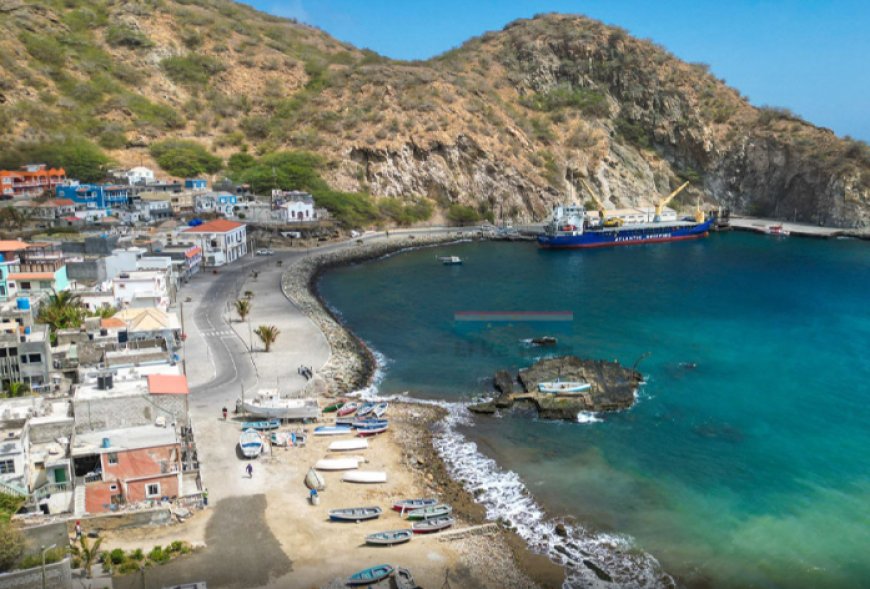
According to the schedule released, the CVI planned to transport 15 tons on the 22nd, 16 tons on the 23rd, 56 tons on the 25th and 48 tons on the 27th, making a total of approximately 135 tons of cargo destined for Brava. At first glance, the figures may seem significant, but according to local traders, they fall far short of the real needs of the island, which depends almost exclusively on the sea link for its supplies.
"Only those who don't know the reality of Brava can think that 135 tons over several days is enough to feed an entire island, with shops, restaurants, families and events typical of this time of year," says one trader contacted by Bravanews. According to economic operators, the volume needed to normalize the market would be much higher, especially after weeks of delays, stock-outs and rationed sales of basic products such as rice, flour, potatoes, onions, eggs and water.
The criticism gained even more strength after information gathered from traders indicated that today, the 22nd, when 15 tons of cargo were expected, only around 10 tons have actually been shipped. For the traders, this shows that CVI is not even complying with the schedule it itself announced.
"If they say they're going to ship 15 tons and they only ship 10, then they've already started lying. How can we trust them to deliver what they promised in the next few days?" asks another trader, visibly indignant. In practice, this difference of five tons represents less merchandise available on the local market, further aggravating the shortage already felt by the population.
The traders stress that the problem is not just one day or a one-off difference in tons, but a structural situation of chronic insufficiency in the transport of cargo to Brava. According to them, when cargo doesn't arrive in adequate quantities and on a regular basis, the effects are felt immediately: empty shelves, price rises, rationing of products and social tension.
"The consumer thinks that the trader is speculating, but the truth is that there aren't enough goods. When little cargo arrives, we have to divide up what little there is and this creates conflicts, mistrust and anger," they say. In addition, there are perishable products which, due to delays and irregular transportation, arrive damaged or no longer fit for sale, generating direct losses for those who have invested.
Economic operators consider it particularly serious that this situation occurs at a predictable and recurring time, such as Christmas and New Year, when consumption increases and demand for food and other essential products grows significantly. "We're not talking about an unexpected situation. Every year consumption increases at this time. The CVI and the authorities had an obligation to plan better," they say.
For the traders, the program presented seems more like a communication exercise than an effective response to the island's needs. "Announcing figures that are then not met only increases frustration and the feeling of abandonment," they add.
Faced with this scenario, the Brava traders call for greater transparency on the part of Cabo Verde Interilhas and demand clear explanations of the differences between what is announced and what is actually transported. They are also calling for the government and regulatory bodies to intervene, so that a realistic cargo transportation plan is guaranteed, that is suited to the island's needs and is fully complied with.
Meanwhile, in Brava the feeling of discredit and weariness is growing. For many Bravenses, the cargo transportation situation has gone from being a one-off problem to becoming a symbol of unequal treatment between islands and of a maritime connection that, far from serving development, continues to compromise the daily lives and dignity of the population.