









Emigrant houses turn into ruins, leaving the island in decay
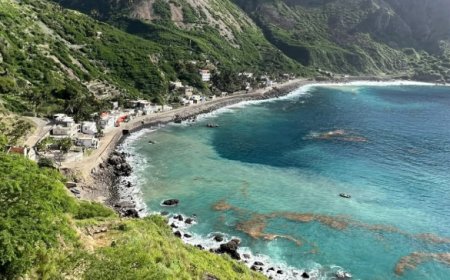
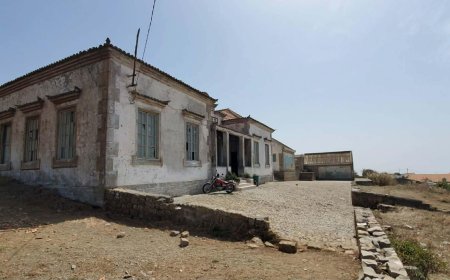
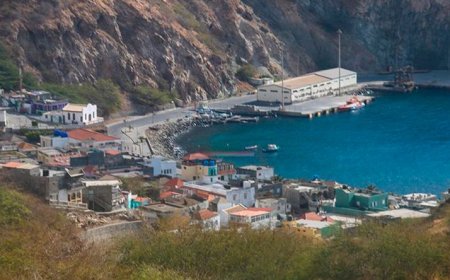
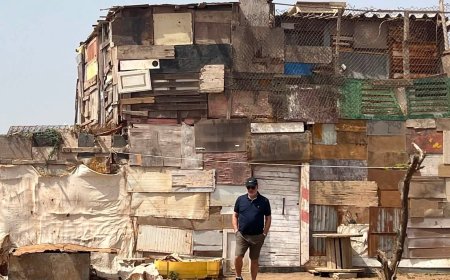
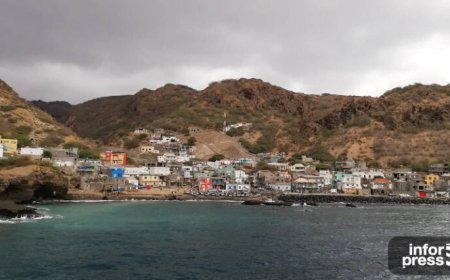
Nova Sintra City, December 16, 2025 (Bravanews) - The island of Brava, historically the birthplace of intellectuals and sailors and one of Cape Verde's largest sources of emigration, is facing a bittersweet dilemma that is rewriting its architectural and social landscape. The once proud houses, built with the sweat and remittances of their children in the diaspora, are falling into a state of advanced disrepair, turning into veritable "shantytowns" in the heart of the towns and villages. This phenomenon is a mute testimony to the disconnection between emigrants and their homeland, and reveals the institutional paralysis that is preventing the island's urban regeneration.
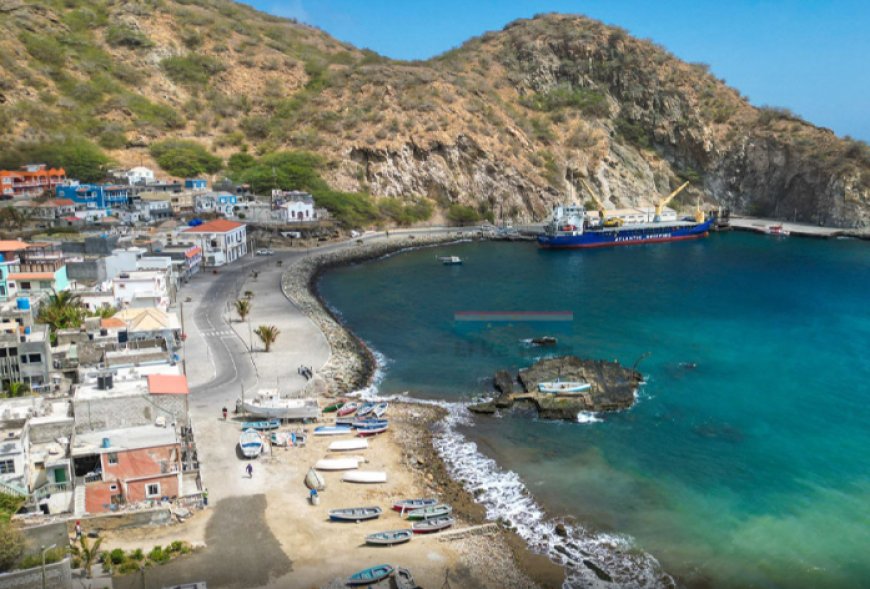
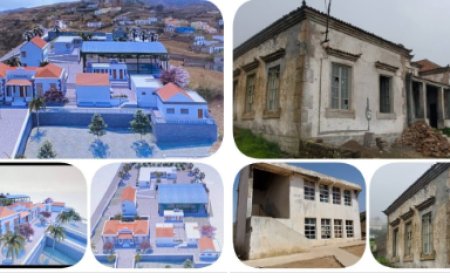
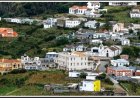
Walking through the streets of Nova Sintra, Furna, Nossa Senhora do Monte, Mato, Cova Joana or Fajã de Água, the sight is recurrent: broken windows, collapsed roofs, cracked walls and undergrowth growing wildly inside once solid structures. These are the homes of emigrants - many of them built with the ambition of one day returning, or to guarantee a refuge and inheritance for future generations.
The iron ties that bound Brava to its emigrants, especially in the United States (New England) and Portugal, seem to be rusting. With the passing of generations abroad, and the death of the patriarchs and matriarchs, the interest and emotional attachment to the ancestral properties diminishes drastically.
"Many of these houses were built 50, 60 years ago. The children have already been born abroad, the grandchildren don't even speak Brava Creole. The sentimental value is zero. For them, it's just a cost or a legal problem away from home," comments a resident of the island, who prefers not to be identified.
The main driver of this decay is legal complexity and the uncertainty of ownership. With the death of the original owner, the property passes to a wide range of heirs scattered around the world.
The heirs can number dozens, spread across several countries. The difficulty in contacting everyone, getting their agreement and signing transnational documents is monumental.
Many emigrants die 'intestate' (without a will), and probate proceedings are never started due to the costs, bureaucracy and distance.
The lack of interest in paying taxes on a property they never use is another factor that contributes to abandonment.
The result is that many of these houses are left in a legal limbo, where no one has the unequivocal legal authority to sell, restore or simply demolish the structure at risk of collapse. This situation not only affects aesthetics and public safety (danger of collapse), but also paralyzes the real estate market and the local economy.
Faced with this scenario of widespread degradation, the Câmara Municipal da Brava (CMB) and the Central Government seem to have their hands tied, unable to intervene effectively, which is generating growing frustration among the residents.
The main barrier cited by the authorities is respect for private property. According to the law, the CMB cannot simply confiscate or intervene in private homes without a long and complex legal process, which usually requires notifying the owners (which is almost impossible given the diaspora), declaring the ruin a danger to public safety and a slow and costly expropriation process, which can take years in the courts and requires the council to compensate the heirs.
"Our hands are tied by the law. We get complaints from neighbors every day, but we can't order the demolition of a house that belongs to someone in Boston or Lisbon. We need a more agile legal tool for abandoned property," says a CMB technician.
The Cape Verdean government, for its part, is criticized for not developing a national strategy or specific legislation to deal with the abandoned heritage of the diaspora.
There are no significant tax incentives for emigrants wishing to rehabilitate their homes or pass them on to third parties.
The idea of creating a fund or a "housing bank" so that the state can acquire or temporarily manage these ruins, rehabilitate them and sell them, never got off the ground.
The creation of a specialized office to help the diaspora resolve inventories and inheritance problems is a recurring suggestion that the government has yet to implement effectively.
For the Bravenses who remain, the ruins are not just an aesthetic problem; they are a visible reflection of the decapitalization of the island and an obstacle to development.
The ruins become rat nests, hotbeds of disease and hiding places for garbage or illicit activities.
The picturesque image of Nova Sintra and other locations is being compromised, affecting the island's tourism potential.
The proliferation of abandoned houses contributes to a general feeling of despondency and stagnation among the resident population.
Brava, once the "island of flowers" and a symbol of Cape Verdean culture, is in danger of becoming the "island of shantytowns" unless the CMB, the government and the diaspora itself work together to untie the knot of uncertain heirs and restore life and dignity to the houses that were built with so much sacrifice.