




















CVI responds to the Mayor of Brava and admits limits in maritime transport, pointing to the country's structural problem
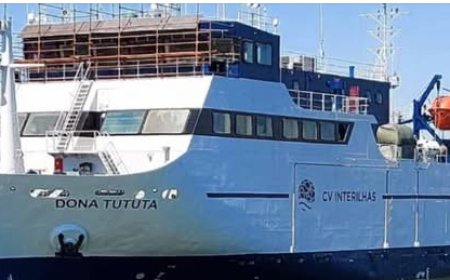
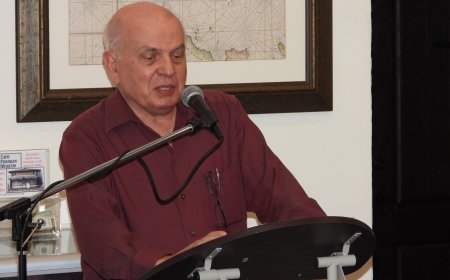
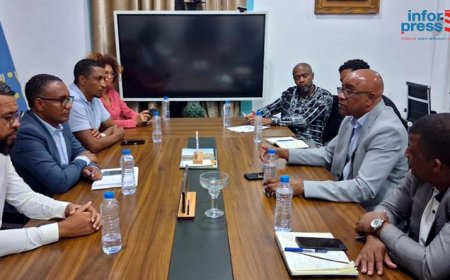
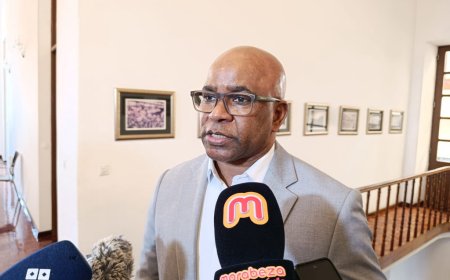
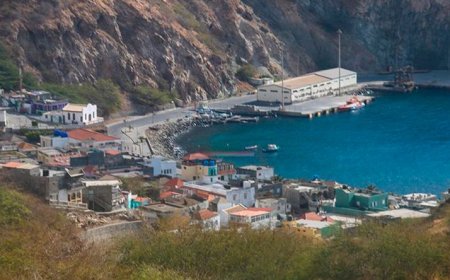
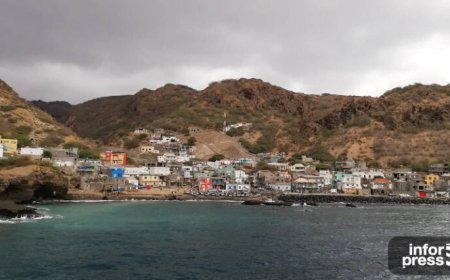
Nova Sintra City, December 22, 2025 (Bravanews) - Cabo Verde Interilhas (CVI) has reacted to a message sent by the Mayor of Brava, Amândio Brito, in which the mayor expressed concerns about the situation of maritime transport to the island, especially with regard to cargo transportation, an issue that continues to generate strong concern among local authorities, traders and the Brava population.

In its response, CVI's management begins by acknowledging that the concerns expressed by the mayor of Brava are legitimate and reflect a broader reality, stressing that maritime transport in Cape Verde is a structural problem for the country, which goes far beyond the responsibility of a single company. According to CVI, the operator has been working "tirelessly" with its employees and technical teams to guarantee the bare minimum for the islands, reaching the maximum that is "humanly and technically possible" in the current circumstances.
With regard to the island of Brava, CVI assures that it has given the greatest care and special attention, recognizing, however, that this effort has not been enough to fully respond to the needs of the population. The company clearly admits that despite the priority given to Brava, existing constraints limit its ability to ensure regular, reliable and predictable connections.
One of the central points of the response relates to the significant loss of private shipowners over the year, a situation which, according to CVI, has drastically worsened the already fragile maritime transport offer in the country. The company lists several concrete cases: shipowners such as Polar and Atlantic Shipping are out of operation due to breakdowns, while the ship Nho Padre Benjamim was lost due to sinking. There is also the case of the Praia D' Aguada, which, according to the CVI, could already be operating, but remains inactive due to management incapacity.
This set of factors, argues the CVI, has drastically reduced the national response capacity and overloaded the operators still active, in a context where demand for maritime transport between islands remains high and essential for supplies, the mobility of people and the functioning of the local economy, especially on more peripheral islands such as Brava.
In its message, the CVI board also leaves a political-institutional message, stating that the "disenchantment" expressed should be channeled towards those who, in its view, are not doing their job well, and not directed at the CVI, which it says has done "the impossible" to minimize the impacts of the crisis on the sector. Although it does not directly identify other entities, the statement suggests shared responsibilities in terms of regulation, strategic planning and public policies for the maritime sector.
Despite the firm tone, the response ends on a note of openness and cooperation. The CVI says it is "together" with the local authorities and reaffirms its permanent willingness to continue doing better, maintaining institutional dialogue as a way of finding solutions, albeit limited, in the short and medium term.
This exchange of messages comes at a time of great tension on the island of Brava, where the irregularity of maritime connections (cargo transportation) has caused difficulties in the supply of essential goods, damage to shops, bakeries, restaurants and hotels, and a growing sense of isolation among residents. For many Bravenses, the problem of maritime transport is no longer just a logistical issue, but has taken on social, economic and even territorial cohesion implications.
The CVI's response thus once again puts at the center of the debate the need for a structural and national approach to maritime transport in Cape Verde, involving the state, public and private operators, municipalities and the diaspora, otherwise islands like Brava will continue to pay a high price for the fragility of the system.