































Government to buy two new TACs to reduce evacuations
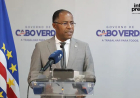
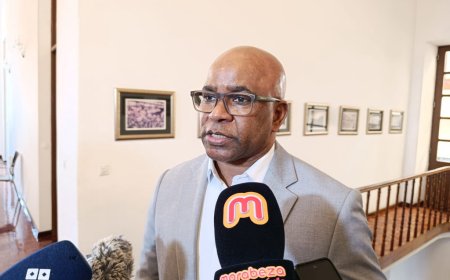
The Minister of Health, Jorge Figueiredo, said today that he had requested the acquisition of two new Computed Axial Tomography (CAT) machines for technological reinforcement that will improve diagnosis, reduce medical evacuations and start specialized training even before the National Hospital is completed.
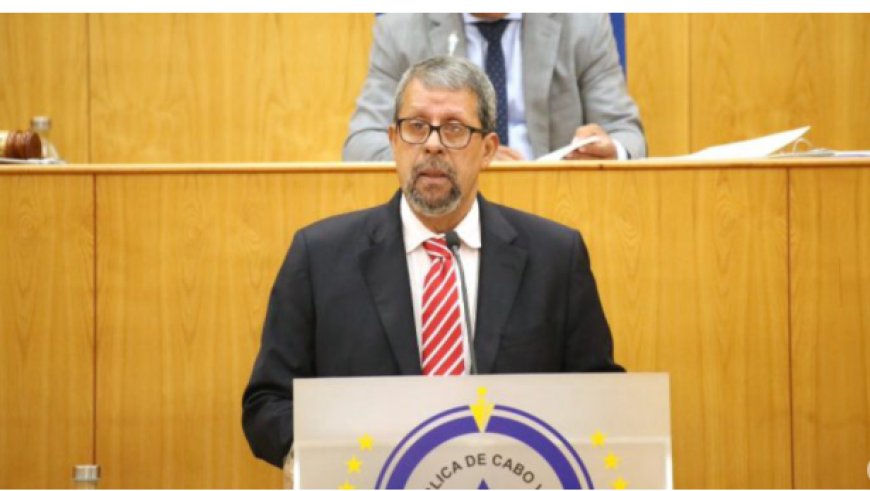
The assurance was given in Parliament, in response to UCID MP Zilda Oliveira, who questioned the government about the 400 or so patients on the waiting list for medical evacuation in July 2025 and the impact that the future National Hospital will have on reducing these transfers.
In his response, Jorge Figueiredo said that he does not intend to wait for the new infrastructure to be completed before taking action.
In his response, Jorge Figueiredo stated that the Executive does not intend to wait for the new infrastructure to be completed before taking action.
"We don't need the hospital to start working. We want to start right away, so that the impact on the population in need is as quick as possible," he said.
According to the governor, the purchase of two new 128-slice CT scanners has already been requested, which are significantly more advanced than the ones currently in place.
"The CT scans in São Vicente and Praia have 16 slices. At the moment, the two CAT scans that are to come are 128 slices. We'll be able to fully study the circulation, the heart, the diagnosis directly from there", he explained.
According to the minister, this equipment will make it possible to improve diagnosis in critical areas such as cardiology and oncology, enabling faster and more precise intervention.
"We will be able to intervene in matters even before, including when it comes to staging the level of cancer we have, working more and better on the cancers that arise," he added.
Jorge Figueiredo also said that the government has already opened the genetic study of hereditary cancers at the hospital, stressing that Cape Verde is investing in research and in strengthening the national technical capacity.
At the same time, the Ministry of Health is going ahead with a plan to train doctors and specialists, in partnership with foreign institutions, in the areas of cardiology, orthopaedics, ophthalmology and neurotraumatology.
"Specific tenders will be opened and the specialties that have the greatest impact on this evacuation process will be addressed," he said.
According to the Minister, around 33% of evacuations are related to orthopaedics and approximately 30% to cardiology, areas that the government intends to reinforce with equipment and specialized training later this year, providing the current central hospitals with the necessary conditions to reduce dependence on the outside.